
September 26, 2025

May 11, 2026
Editorial Disclaimer
This content is published for general information and editorial purposes only. It does not constitute financial, investment, or legal advice, nor should it be relied upon as such. Any mention of companies, platforms, or services does not imply endorsement or recommendation. We are not affiliated with, nor do we accept responsibility for, any third-party entities referenced. Financial markets and company circumstances can change rapidly. Readers should perform their own independent research and seek professional advice before making any financial or investment decisions.
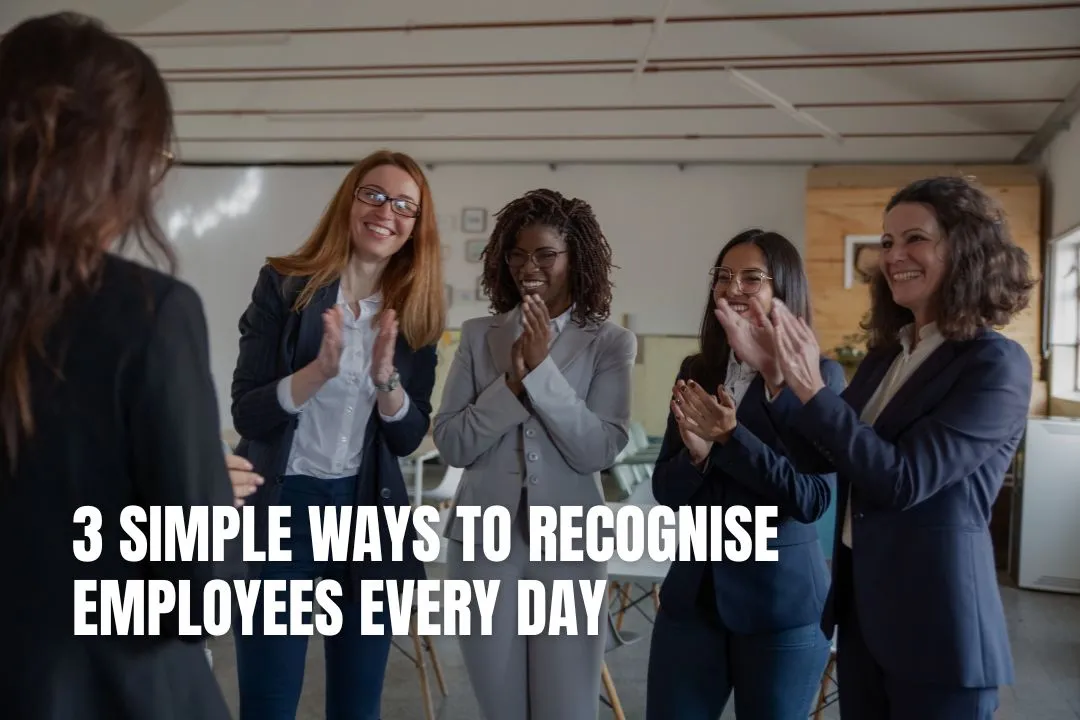
Recognition does not require a budget line, a formal program, or a quarterly ceremony to be effective. Some of the most powerful acknowledgements happen in ordinary moments, delivered consistently by managers and colleagues who have made a genuine habit of paying attention.
The challenge is building the small, daily practices that add up to a culture where people feel genuinely valued for the work they put in. These four approaches are practical, repeatable, and more impactful than most managers expect.

General praise is pleasant but forgettable. Telling someone they did a great job this week lands differently than telling them that the way they handled a difficult client call on Thursday, staying calm and finding a creative solution under pressure, is exactly the kind of work that makes the whole team better. The second version communicates that someone was actually watching, actually noticed, and actually took the time to connect the dots between the effort and the outcome.
Specificity is what transforms a compliment into recognition. It tells the recipient what behaviour is worth repeating and signals to everyone around them what the organisation genuinely values. Making a habit of noticing specific contributions rather than offering blanket approval takes a little more attention, but the return on that investment is significant.
Recognition loses power the longer it sits. Acknowledging good work in the moment, or as close to it as possible, reinforces the connection between the action and the appreciation. A note sent the same afternoon carries more weight than the same note sent two weeks later during a performance check-in. Building a habit of same-day or next-day recognition keeps the feedback loop tight and the motivation current.
Private recognition matters. A one-on-one message or a quiet word from a manager can mean a great deal to the person receiving it. Public recognition does something different and complementary. When acknowledgement happens in front of the team, it sends a signal to everyone about which contributions are noticed and celebrated.
This is one of the reasons that public shoutouts, whether in a team meeting, a group chat, or a shared platform, have an outsized effect on team culture. The person being recognised feels valued. The people watching receive a clear message about what excellent work looks like. Over time, that consistent public acknowledgement shapes the behaviours the whole team gravitates toward.
Recognition that lives in a single conversation disappears quickly. Recognition that is visible, searchable, and shared creates a running record of what the team values and who has contributed meaningfully.
For organisations looking to make that visibility a structural part of how they operate, an employee recognition program that makes employee appreciation visible across the entire organisation is the kind of infrastructure that turns good intentions into a consistent culture. When anyone on the team can see who is being recognised and why, the effect multiplies well beyond the original moment of acknowledgement.
Recognition does not always arrive as a compliment. Sometimes it shows up as a well-timed question that communicates genuine interest in what someone is working on. Asking a team member how a project is going, what obstacles they are running into, or what they are most proud of from the past week does something important. It tells them that their work is worth being curious about.
This kind of conversational recognition is particularly valuable for employees who are not naturally in the spotlight. Not everyone produces work that regularly generates visible, praise-worthy moments. But every person on a team is doing something worth noticing if a manager is paying close enough attention to ask the right questions.
Regular one-on-one meetings are one of the most underused recognition tools available to managers. Dedicating even a portion of that time to acknowledging specific contributions, asking about challenges, and connecting an employee's work to the team's larger goals sends a consistent message that their presence and effort matter. The meeting itself is a form of recognition when it is used well.
Building recognition into the rhythm of your team, whether through dedicated time in meetings, a shared channel, or a structured platform, distributes the work of acknowledgement and strengthens the bonds between team members. When recognition becomes a shared team practice rather than a top-down function, the culture that results is one people genuinely want to be part of. Try out some of these
Not at all. The most powerful forms of recognition are often free. Simple, consistent habits like offering specific praise, giving a public shoutout in a team meeting, or asking thoughtful questions about someone's work can have a massive impact on morale without costing a penny.
Saying “good job” is pleasant but forgettable. Real recognition is specific. It highlights a particular action and its positive result, for example, “The way you handled that difficult client call showed great composure and helped us keep a key account.” This shows you are truly paying attention.
When you praise someone publicly, you not only make that person feel valued, but you also provide a clear example for the entire team of what excellent work looks like. It helps reinforce your company’s core values and encourages others to aim for the same standard.
You can build recognition into your existing routines. Use the start of team meetings for shoutouts, dedicate a portion of your one-on-one catch-ups to acknowledging recent contributions, or simply make a conscious effort to send a quick, specific message when you see great work happen.
