
November 23, 2022

July 8, 2026
Editorial Disclaimer
This content is published for general information and editorial purposes only. It does not constitute financial, investment, or legal advice, nor should it be relied upon as such. Any mention of companies, platforms, or services does not imply endorsement or recommendation. We are not affiliated with, nor do we accept responsibility for, any third-party entities referenced. Financial markets and company circumstances can change rapidly. Readers should perform their own independent research and seek professional advice before making any financial or investment decisions.
As a tech media writer, I’ve had the privilege of witnessing how AI is reshaping industries in remarkable ways. From crafting content to generating stunning visuals, the potential seems boundless. Yet, one area where AI has quietly but profoundly transformed workflows is document translation, particularly PDF translation. Gone are the days of relying on clunky desktop software or costly translation services. The advent of AI-powered PDF translators has democratised access to multilingual content, streamlining cross-border communication and information sharing like never before. In this article, we’ll dive into the dynamic world of online PDF translators, unpacking their features, advantages, limitations, and the tangible impact they have on both individuals and businesses.
According to recent statistics, over 250 million PDF documents worldwide require cross-language processing daily, with traditional translation methods consuming an average of 40% of professionals' work time. This figure is staggering, but what's even more exciting is that teams adopting advanced AI translation tools report an astonishing 80% improvement in document processing efficiency. This isn't just an efficiency boost, it's a fundamental transformation in how we work.
In this article, we'll compare these tools' core features, user experiences, and pricing strategies, and demonstrate how they enhance productivity through real-world cases. Whether you're an international business professional, academic researcher, or multilingual content creator, this article will help you find the PDF translation solution that best fits your needs.

Let's dive into a detailed comparison of some of the leading AI-powered PDF translators available today, highlighting their strengths, weaknesses, and ideal use cases.
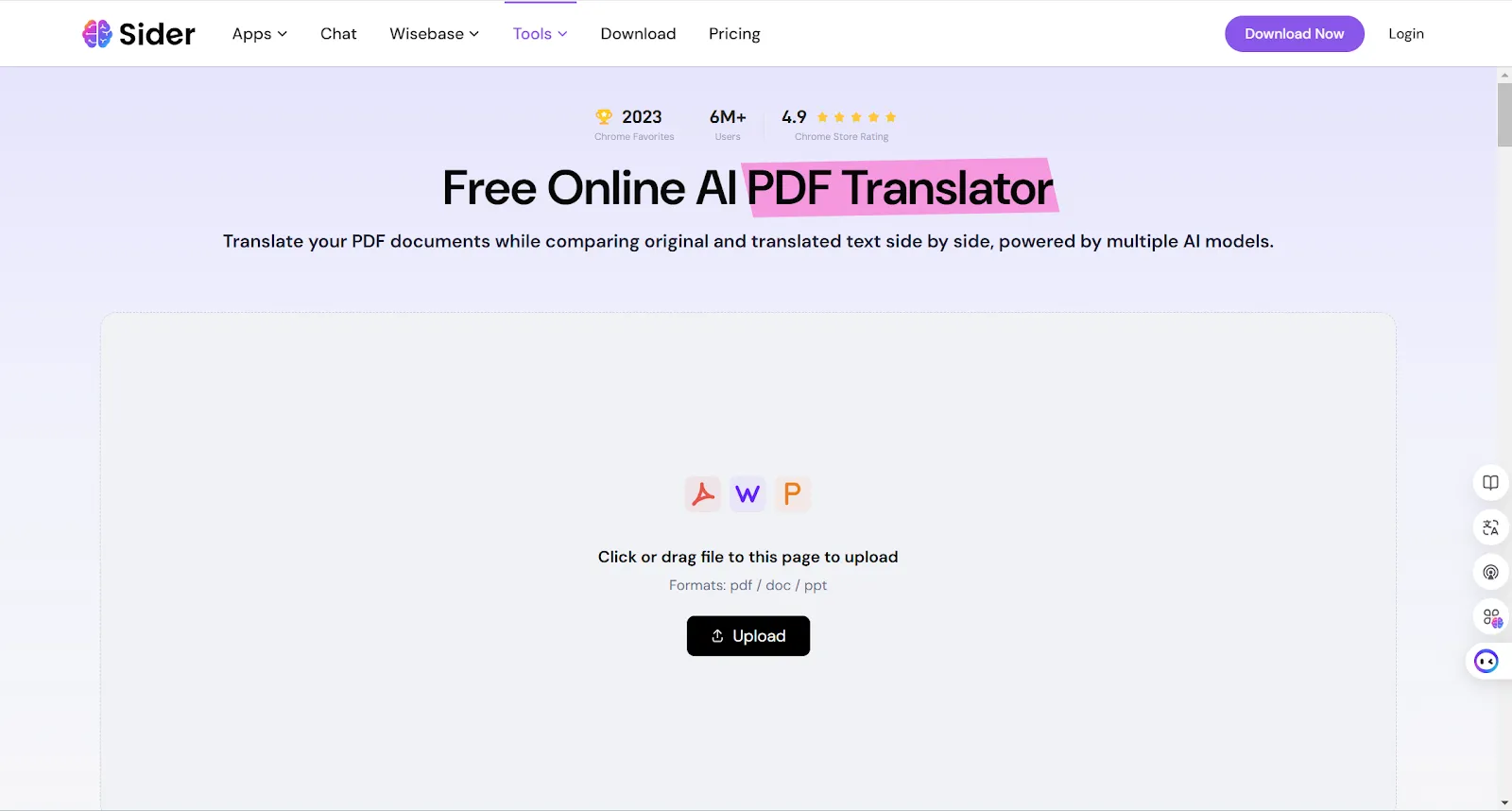
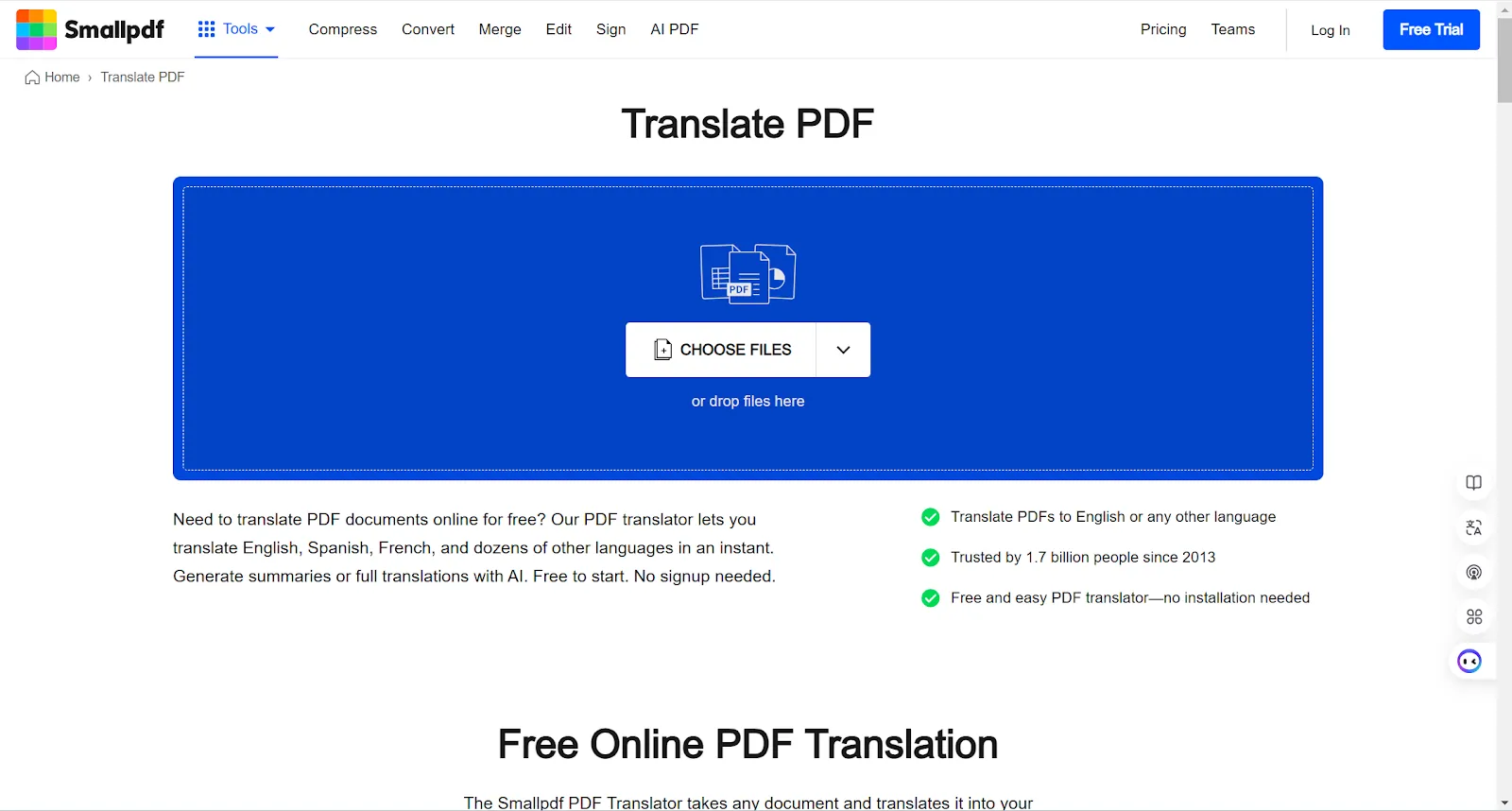
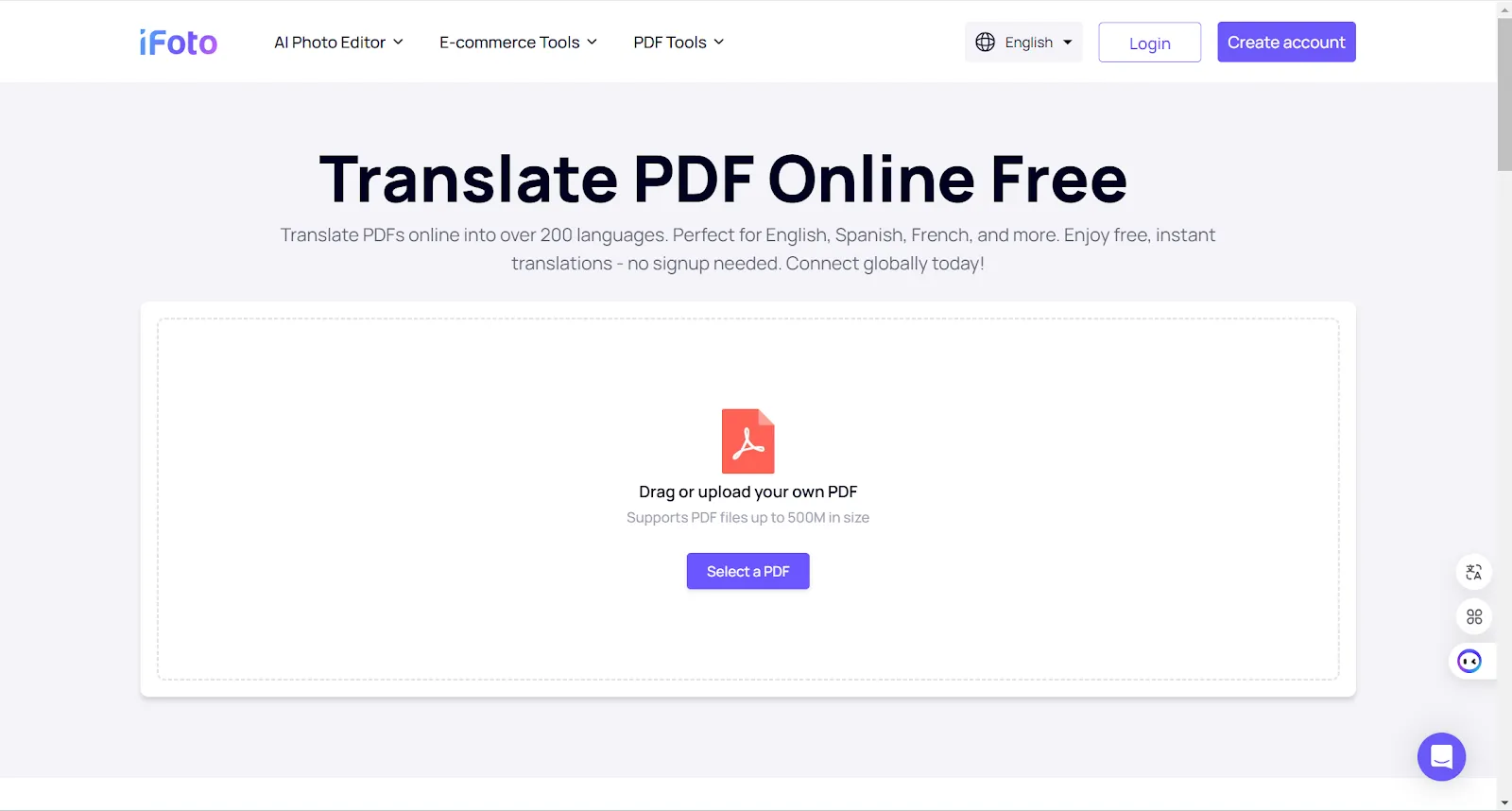
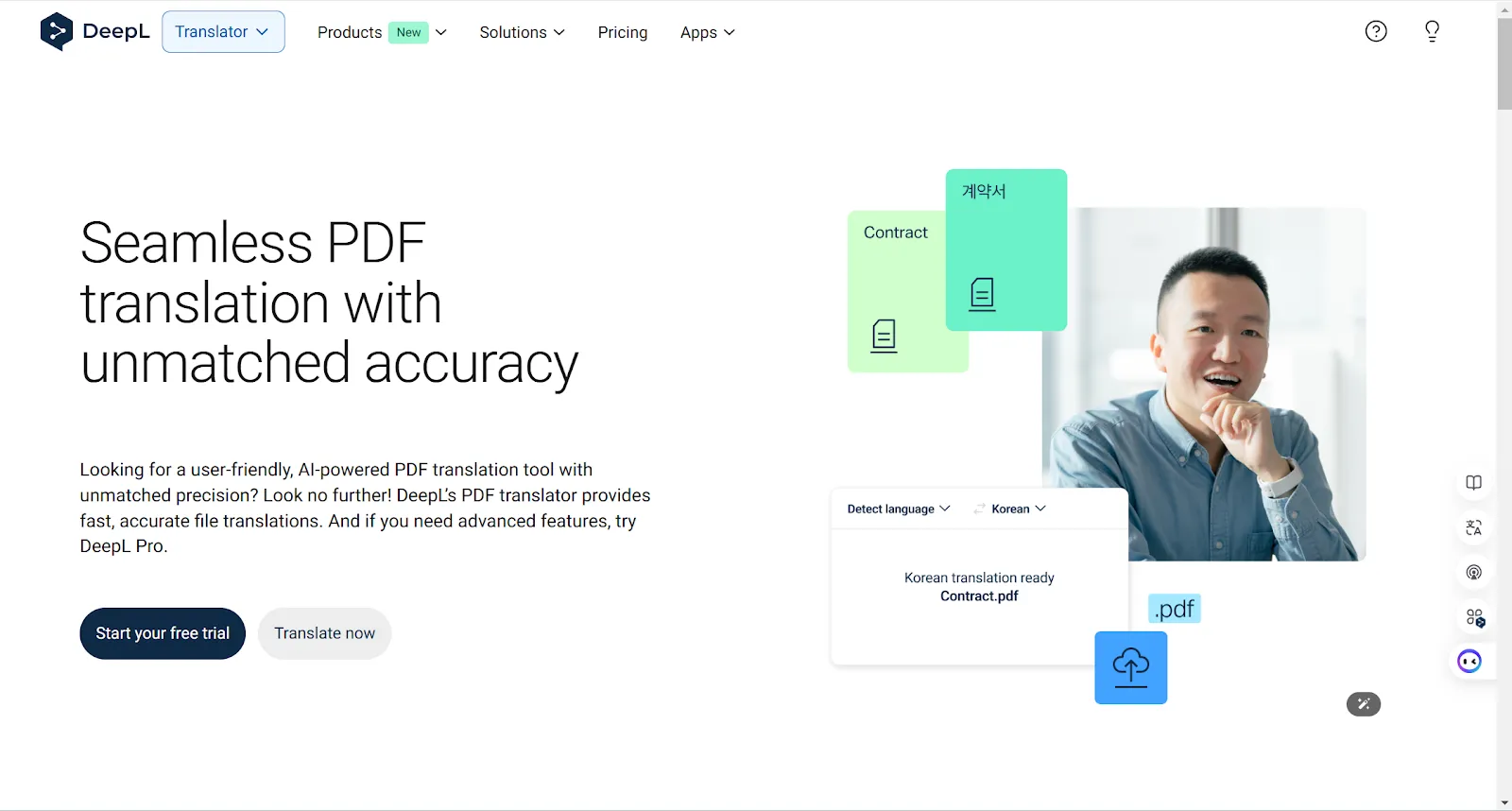
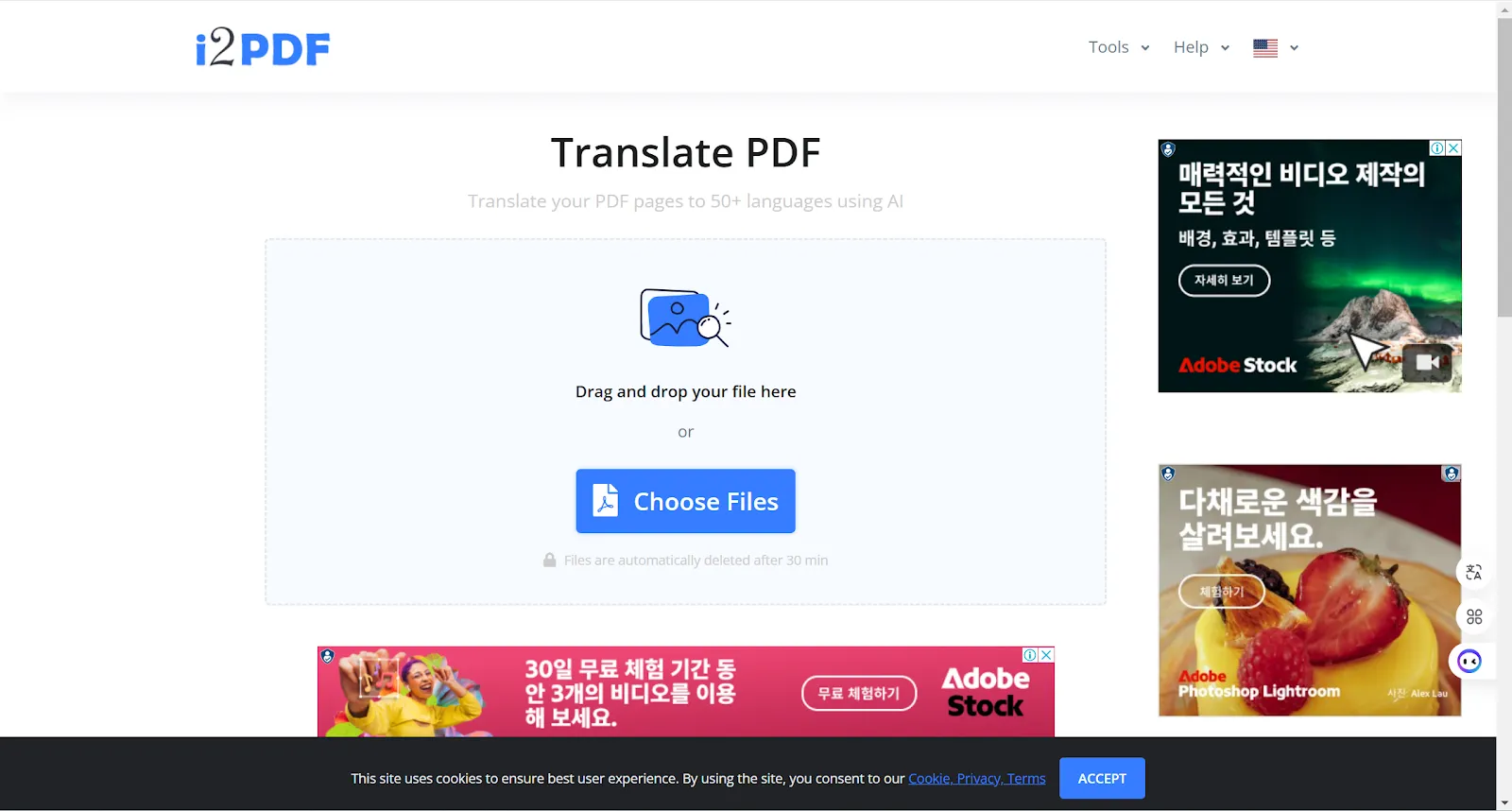
The impressive capabilities of these PDF translators are driven by advancements in Artificial Intelligence (AI) and Natural Language Processing (NLP). These technologies enable computers to understand, interpret, and generate human language with remarkable accuracy. Machine learning algorithms, trained on vast amounts of multilingual data, allow these tools to identify patterns and nuances in language, resulting in more natural and contextually relevant translations.
OCR (Optical Character Recognition) technology plays a crucial role in translating scanned PDFs. OCR allows these tools to extract text from images, making it possible to translate documents that were originally created as physical copies. This is a significant advancement, opening up a world of possibilities for translating historical documents, handwritten notes, and other non-digital text.
Beyond translation tools, professionals can benefit from integrating other AI-driven resources into their workflow. The LiveCareer resume creation tool, for example, offers guided CV building with customisable templates designed to streamline job applications.
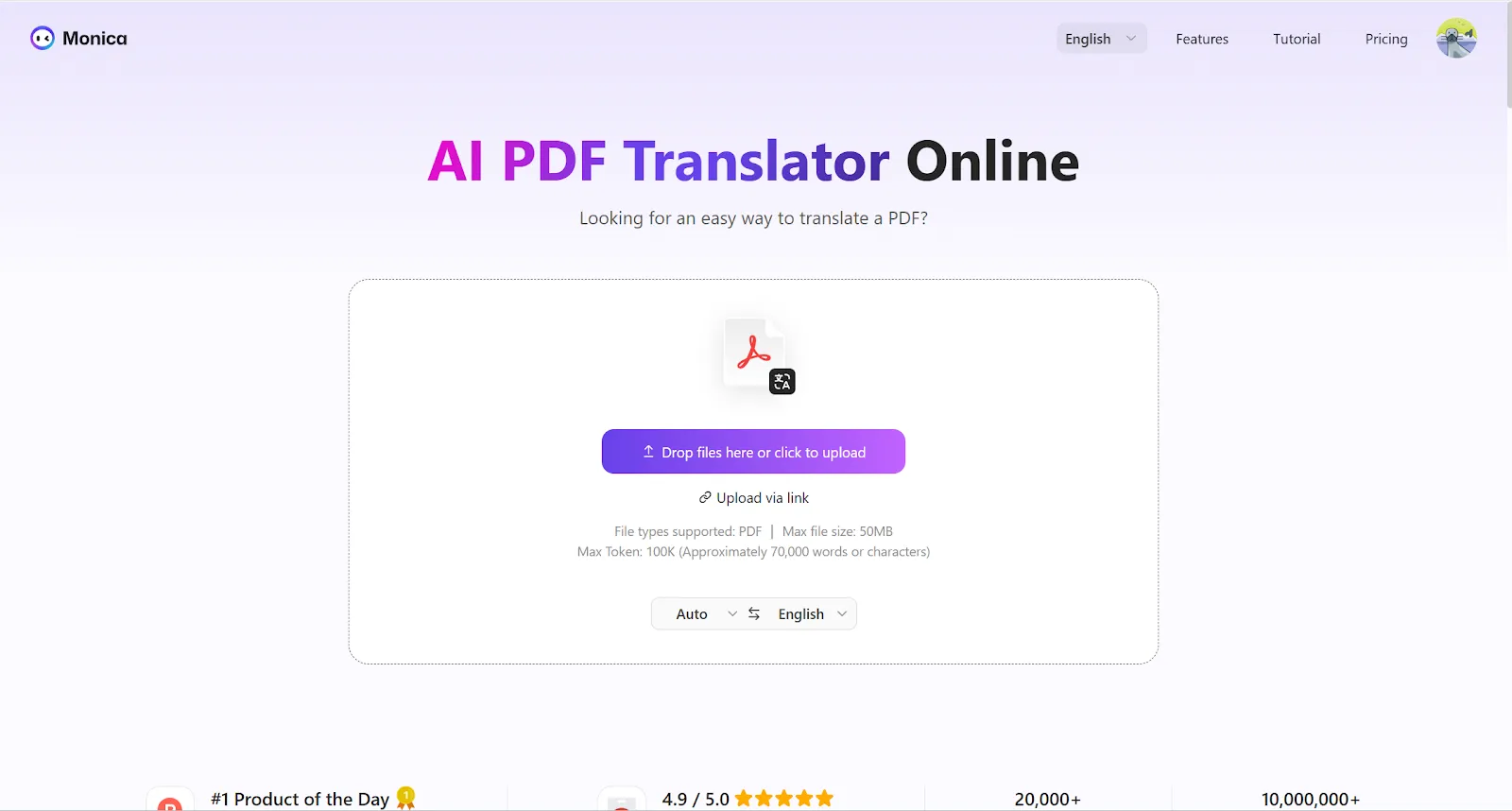
As someone who frequently works with multilingual content, I can confidently say that AI-powered PDF translators have been a game-changer in my workflow. They’ve saved me countless hours of manual effort and have granted me access to information that would have otherwise been out of reach. Among the many tools I’ve tried, Monica's AI PDF translator stands out as a powerful, reliable, and user-friendly solution that I personally use and highly recommend.
What sets Monica apart is its exceptional accuracy and seamless user experience. It not only delivers precise translations but also preserves the original formatting of your documents—a feature that many other tools struggle to achieve. Whether you’re translating research papers, business contracts, or creative content, Monica handles it all with ease. Combine this with its robust data security measures and support for a wide range of languages and file formats, and you have a tool that truly redefines the translation experience. If you’re looking for a translator that’s efficient, secure, and intuitive, Monica is the one to try. The future of translation is here, and Monica is leading the way.
Modern AI translators provide a high level of accuracy, sometimes even better than human translators for specific tasks. However, the final quality can depend on the complexity of your document and the specific languages involved.
Yes, reputable platforms make security a priority. They use encryption and secure storage to protect your data. Always make sure you review the platform’s privacy policy before uploading any sensitive documents.
Absolutely. Many of the best online PDF translators include Optical Character Recognition (OCR) technology. This allows the tool to extract text from scanned documents or images, so you can translate content that isn't already in a digital text format.
For simple, occasional translations, a free tool is often perfectly fine. If you need higher accuracy, support for more languages, larger file size limits, or advanced security, you will likely find a premium subscription is a worthwhile investment.
The best tool for you depends on your specific requirements. Some excel in translation accuracy, like DeepL. Others, like Monica AI, are praised for preserving the document's original layout and formatting. Consider factors like OCR support, language options, and file size limits when making your choice.
