
February 28, 2025

December 22, 2025
Editorial Disclaimer
This content is published for general information and editorial purposes only. It does not constitute financial, investment, or legal advice, nor should it be relied upon as such. Any mention of companies, platforms, or services does not imply endorsement or recommendation. We are not affiliated with, nor do we accept responsibility for, any third-party entities referenced. Financial markets and company circumstances can change rapidly. Readers should perform their own independent research and seek professional advice before making any financial or investment decisions.
Managing servers and applications can take a lot of time if everything has to be done through a dashboard. Deploying updates, restarting services, or setting up backups requires several steps, and it quickly becomes tedious when you have multiple projects.
API access makes this easier. Developers can run scripts to deploy apps, configure servers, or create backups in one go. Tasks that would normally take several clicks can now be done automatically. It also allows connecting hosting to other tools, like deployment pipelines or monitoring software, which helps keep work consistent.
Not every hosting provider offers this. Some still rely entirely on their dashboards, which makes automating tasks difficult or impossible.
This article looks at hosting platforms that give developers real control through APIs. It explains what they offer and what to check before choosing one.

APIs are a game-changer because they let developers handle their servers and applications without constantly logging into a graphical dashboard. Instead, they can automate key tasks like instantly spinning up or destroying servers, pushing out updates, and managing entire application stacks. This doesn't just reduce boring, repetitive work; it guarantees processes run the same way every time.
Some hosting providers give you only a bare-bones control panel, while others offer full-blown automation. For anyone overseeing multiple websites or performing frequent, identical tasks, platforms featuring strong, reliable API access are essential. Good API integration is crucial; it saves valuable time, drastically minimises operational errors, and ensures everything stays running smoothly.
Hosting providers that offer robust API access deliver several significant wins for developers:
API access is one of the first things to check when choosing a host. Not all platforms let developers manage servers or automate tasks, and lacking this can slow projects down.
A good API should cover essential actions: deploying apps, creating or removing servers, running backups, and checking logs. It should be documented clearly and work with other tools, like deployment pipelines or monitoring software.
Automation is key. The API should let you run repetitive tasks quickly and consistently. This saves time and reduces errors.
Integration matters too. The API should connect easily with other tools and workflows developers already use.
Reliability is important. Endpoints should work consistently, and support should be available if something goes wrong. Providers with clear documentation and active communities make it easier to get things running smoothly.
Looking at these points ensures the hosting platform supports API access while keeping development work efficient and scalable.
Not all hosting platforms give developers the control they need. Some rely entirely on dashboards, which can slow down deployments and automation. In this section, we’ll look at hosting providers that provide API access and explain what each platform offers in terms of developer workflows.
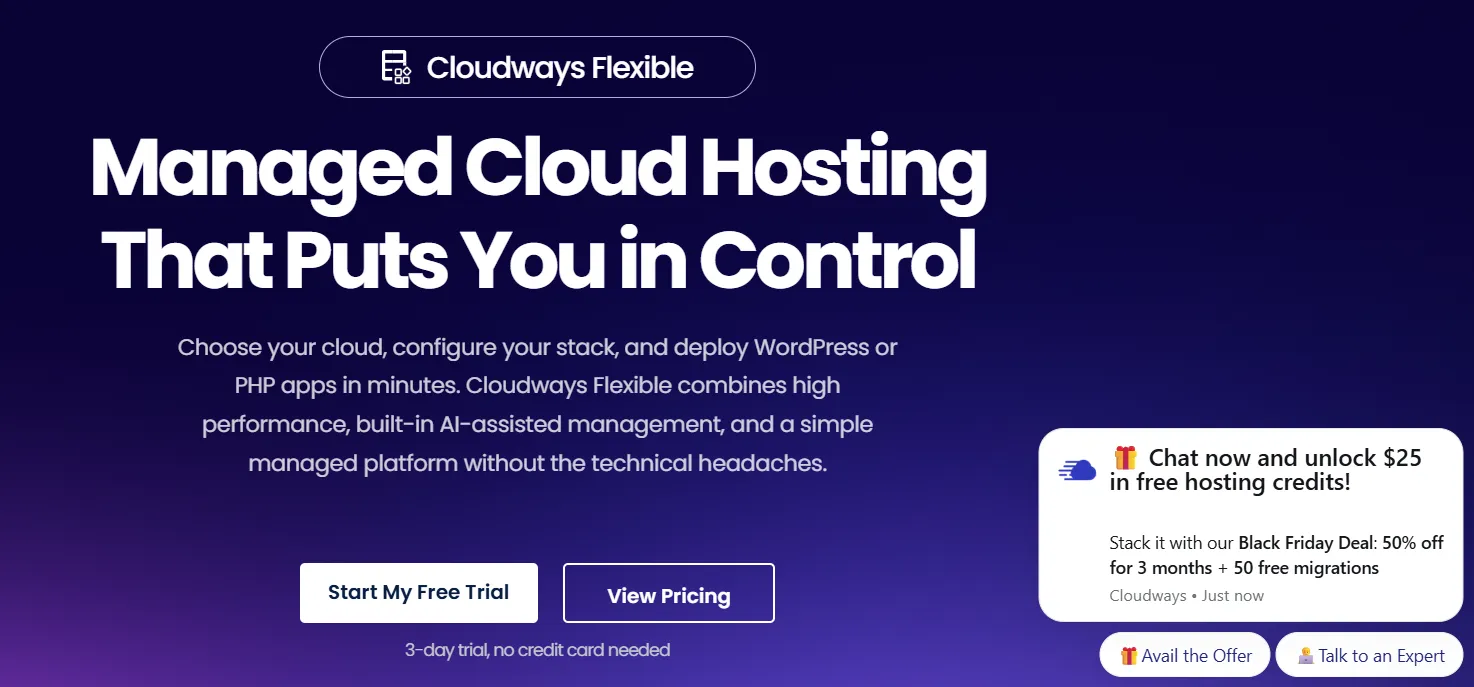
Cloudways offers managed hosting with a focus on flexibility and automation. Their platform includes API access that allows developers to handle tasks like deploying applications, managing servers, and configuring backups programmatically.
The API is straightforward and integrates with common development workflows, which helps reduce repetitive manual work. Cloudways also supports scaling resources quickly, so developers can adjust server capacity as project needs change.
While it’s not the only option with API access (you’ll see when we’ll cover other providers), Cloudways is notable for balancing usability with control, making it a practical choice for developers who need both flexibility and reliability. It also provides WordPress multisite hosting, making management of multiple sites easier via one dashboard.

DigitalOcean is highly functional for developers, primarily because of its detailed API access. You gain the ability to provision or decommission servers, attach storage, and manage networking resources without accessing the primary dashboard.
A key advantage is the capability to execute scripts. These scripts automate tasks like application deployment, managing data backups, and scaling server resources. This efficiency saves considerable time and maintains seamless operation, especially when overseeing multiple simultaneous projects.
The platform assigns you full control over your infrastructure, meaning you are responsible for administering updates, security, and backup strategies. It is highly flexible and suitable for projects requiring frequent adjustments, though it demands careful, constant management.
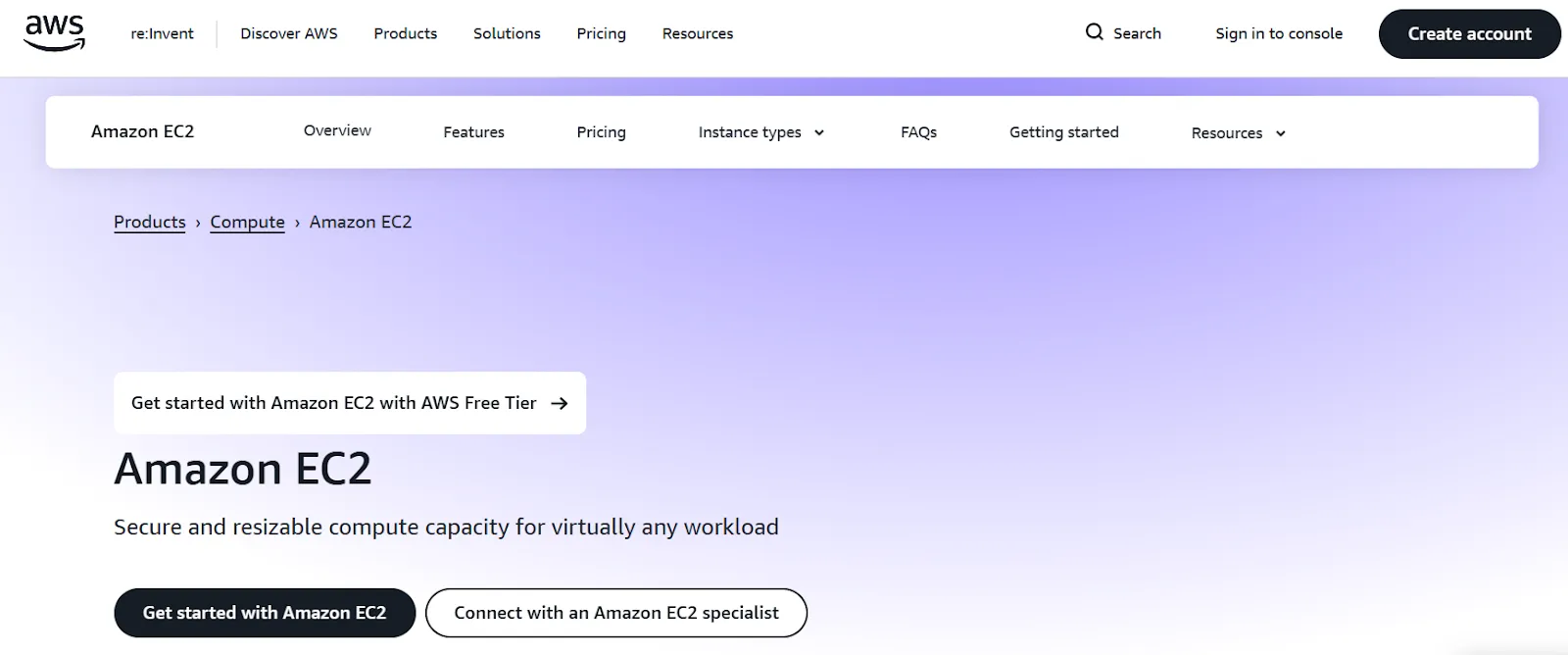
AWS offers a powerful, extensive API, allowing developers to manage their infrastructure, servers, storage, databases, and network setup, entirely without ever touching the graphical dashboard.
This capability immediately allows for automating routine operations, such as deployments, consistent data backups, and necessary resource scaling. Scripts take over these jobs, drastically cutting down on manual time and ensuring everything is uniform across all projects. The platform gives users total command over the infrastructure's foundation. As a result, the user is directly responsible for all required updates, security hardening, and backup plans. It’s an exceptional fit for projects that scale quickly or require frequent adjustments, but it absolutely requires precise, diligent management.

Google Cloud Platform includes API access designed to let developers take charge of compute instances, storage volumes, and all related services, bypassing the traditional web console.
This makes tasks instantly scriptable: launching applications, running data backups, or boosting resource capacity are all handled by code. Using these automation scripts ensures repetitive work is finished quickly, guaranteeing consistent operational results even when managing several development environments. The platform hands you full administrative control of the underlying infrastructure. Therefore, the user holds the responsibility for applying system updates, managing security measures, and maintaining backup integrity. This setup is highly effective for environments demanding rapid iteration or massive scalability, but it necessitates meticulous resource handling.

The final service on our list is Linode. It offers reliable API access that enables developers to directly control servers, storage provisioning, and networking components without ever needing to log into the main dashboard.
This capability allows scripts to automate critical tasks like application deployment, capturing data backups, or dynamically adjusting resource scale. Automating these operations dramatically cuts down on monotonous work and ensures that all processes maintain perfect consistency across different projects.
Developers retain full administrative authority over their infrastructure. This means the user is accountable for all security patching, necessary updates, and data backup maintenance. While this arrangement offers maximum flexibility for development, it absolutely requires careful, disciplined management to guarantee continuous, smooth project execution.
Choosing a hosting platform with solid API access is absolutely critical, it makes a massive difference in how efficiently you manage your servers and applications. Automation is your biggest ally here; it saves serious time, drastically cuts down on errors, and keeps your entire workflow consistent across multiple projects.
Every provider discussed has distinct advantages and its own approach. But the core benefit remains the same: platforms that support robust APIs let developers handle scaling, deployments, backups, and tool integrations without relying on the dashboard. That level of infrastructure control is especially valuable for teams juggling many environments or projects that require relentless updating.
Before you make a final selection, prioritise a few key things: well-documented APIs, endpoints that actually work reliably, and proven compatibility with the external tools and workflows you already rely on. By focusing on these technical factors, you ensure the host choice actively supports, rather than hinders, your development process.
Ultimately, getting the right hosting and API setup means developers can finally spend their energy building features instead of constantly doing repetitive manual tasks. That's how projects stay efficient and move forward smoothly.
API access is crucial because it lets you automate many routine server and application management tasks. Instead of manually clicking through a dashboard, you can use scripts to deploy apps, manage servers, and create backups, saving you time and reducing errors.
You should look for an API that covers essential actions like deploying applications, creating or removing servers, running backups, and checking logs. It needs to be clearly documented, work well with your existing tools, and be reliable with consistent endpoints.
Absolutely. With API access, you gain the ability to quickly modify server resources, deploy urgent updates, or handle numerous distinct environments as your project demands shift and grow. This makes scaling much simpler and more efficient for you.
Several providers offer strong API access, including Cloudways, DigitalOcean, AWS, Google Cloud Platform, and Linode. Each has its own strengths, but they all give you programmatic control over your hosting environment, helping you manage your projects more effectively with Robin Waite Limited.
Yes, significantly. By automating repetitive tasks through API scripts, you essentially wipe out the chance of human error. This is particularly important when you are managing several projects simultaneously or repeating complex actions, ensuring everything runs consistently.
