
April 12, 2022

March 19, 2026
Editorial Disclaimer
This content is published for general information and editorial purposes only. It does not constitute financial, investment, or legal advice, nor should it be relied upon as such. Any mention of companies, platforms, or services does not imply endorsement or recommendation. We are not affiliated with, nor do we accept responsibility for, any third-party entities referenced. Financial markets and company circumstances can change rapidly. Readers should perform their own independent research and seek professional advice before making any financial or investment decisions.
Lighting influences how customers feel the moment they enter a retail space. When used thoughtfully, lighting supports comfort, highlights products, and encourages shoppers to stay longer. For retailers, this quiet influence plays a meaningful role in performance and perception.

The retail experience starts before a customer reaches the sales floor. Exterior and entryway lighting signal safety, professionalism, and quality. Well-lit entrances feel welcoming and help customers transition comfortably from outdoor to indoor.
Inside the doorway, consistent brightness prevents visual fatigue. Customers who can quickly adjust to the lighting are more likely to feel at ease and continue exploring.
Lighting helps shape how shoppers move through a store. Brighter zones naturally draw attention, while softer lighting encourages slower browsing. Retailers use this contrast to guide customers toward featured displays, seasonal items, or high-margin products.
Clear aisle lighting also supports navigation. Even illumination reduces confusion and improves accessibility for customers of all ages. When shoppers can move easily, they are more likely to visit additional sections of the store.
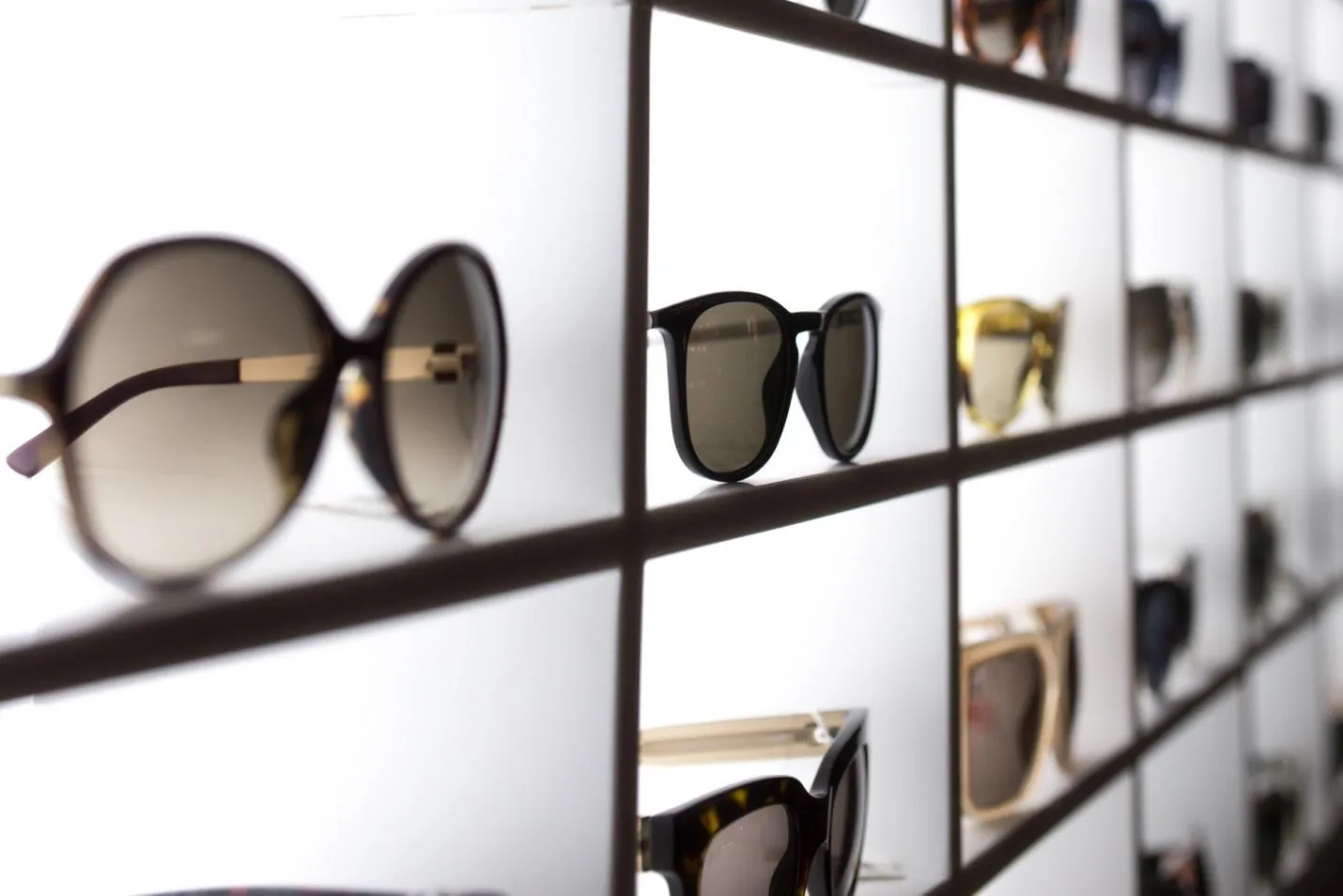
Products look different under various lighting conditions. Colour accuracy, texture visibility, and perceived quality depend heavily on the illumination of items. Accent lighting allows retailers to highlight specific products without overwhelming the overall space.
Apparel often benefits from warmer light that flatters fabrics and skin tones. Electronics and speciality goods may appear more precise under cooler light. Matching lighting style to merchandise category helps customers make confident purchasing decisions.
Customer comfort has a direct impact on how long people stay in a store. Lighting that is too harsh can cause eye strain, while lighting that is too dim may create uncertainty. Balanced illumination supports relaxed browsing and sustained attention.
Comfortable lighting also contributes to emotional response. Warm, consistent light can create a welcoming atmosphere, while clean, neutral tones support focus. Stores that feel comfortable encourage repeat visits and positive word of mouth.
Lighting communicates brand values in subtle ways. A boutique may use layered lighting to suggest exclusivity, while a grocery store may favour bright, even lighting to convey clarity and freshness. Consistency across locations strengthens brand recognition and trust.
Behind these visual choices, reliable infrastructure ensures performance. Many retailers work with providers of industrial electrical solutions to support lighting systems that scale across locations, meet safety requirements, and remain easy to maintain.
Modern lighting systems offer flexibility through automation and controls. Retailers can adjust brightness and colour temperature based on time of day, promotions, or seasonal changes. These adjustments keep spaces feeling current without major renovations.
Energy-efficient lighting also supports sustainability goals and reduces operating costs. Smart systems allow teams to manage lighting centrally, improving consistency and freeing staff to focus on customer service.
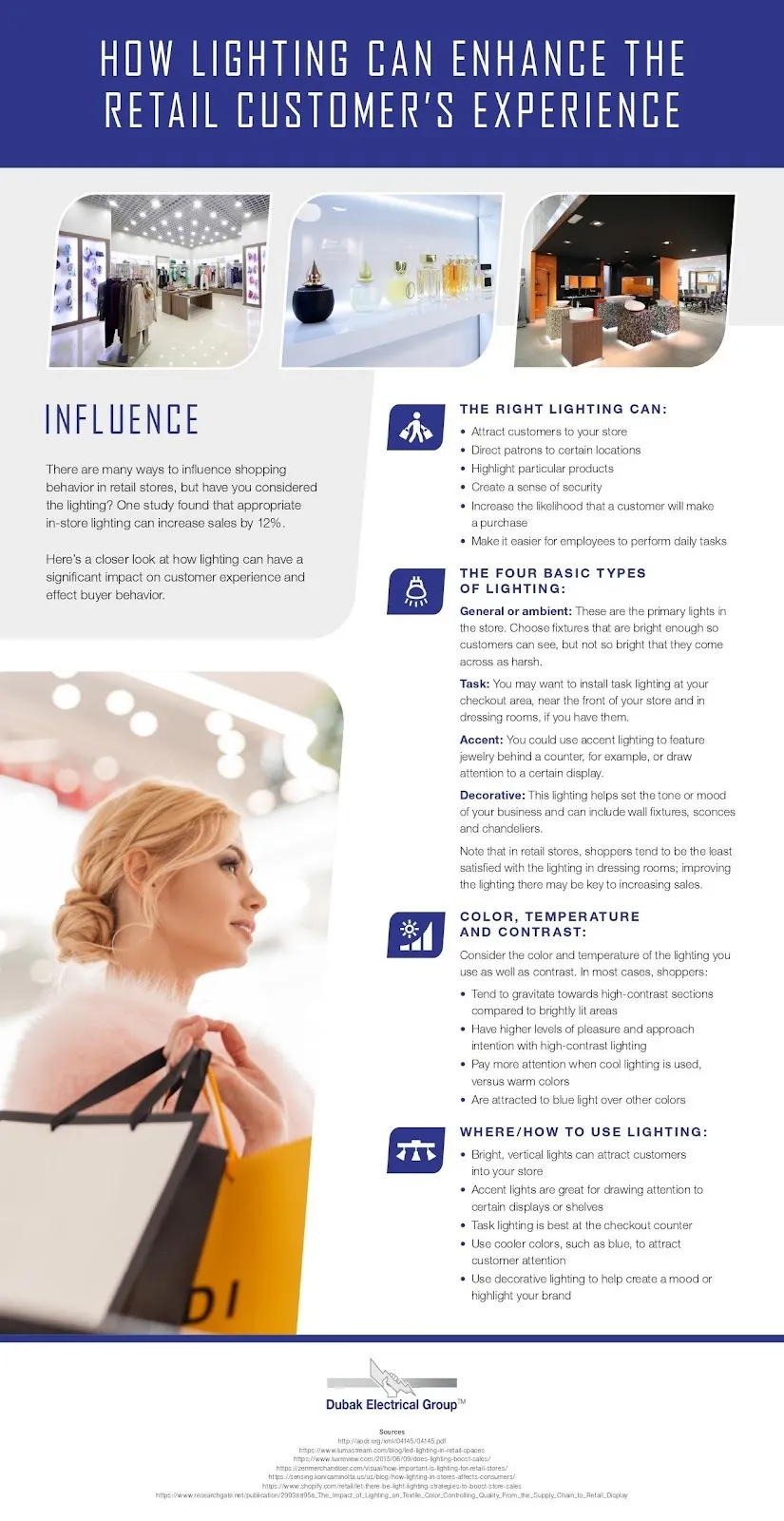
Lighting is a strategic asset in retail environments. When aligned with brand goals and supported by reliable systems, lighting becomes a powerful tool for improving customer experience and driving performance. Look over the infographic below for more information.
Your entrance lighting sets the entire tone for the shopping experience. A well-lit entrance feels welcoming, signals professionalism and safety, and helps customers' eyes adjust comfortably from the outside. This positive first impression encourages them to enter and explore your store with confidence.
You can use a technique called contrast. By making certain zones brighter, you naturally draw the human eye towards them. Use spotlights or more intense lighting on high-margin items, new collections, or promotional displays to guide customer flow and focus their attention exactly where you want it.
Absolutely. The colour temperature and quality of light can dramatically change a product's appearance. For example, warm lighting can enrich the colours in clothing, while cool, crisp lighting can make electronics or jewellery look more sleek and detailed. Testing different lighting is key to finding what best flatters your merchandise.
Yes, it has a direct impact on comfort and 'dwell time'. Harsh, glaring lights can cause eye strain and make people want to leave quickly. Conversely, lighting that is too dim can create uncertainty. A balanced, comfortable lighting scheme creates a pleasant atmosphere that encourages shoppers to relax, browse longer, and potentially spend more.
Improving customer experience involves looking at every detail of your business, including environmental factors like lighting. A consultant from Robin Waite Limited can help you align these details with your overall business strategy, ensuring that your physical space reinforces your brand identity and supports your commercial goals.
