June 21, 2024

August 27, 2026
Editorial Disclaimer
This content is published for general information and editorial purposes only. It does not constitute financial, investment, or legal advice, nor should it be relied upon as such. Any mention of companies, platforms, or services does not imply endorsement or recommendation. We are not affiliated with, nor do we accept responsibility for, any third-party entities referenced. Financial markets and company circumstances can change rapidly. Readers should perform their own independent research and seek professional advice before making any financial or investment decisions.
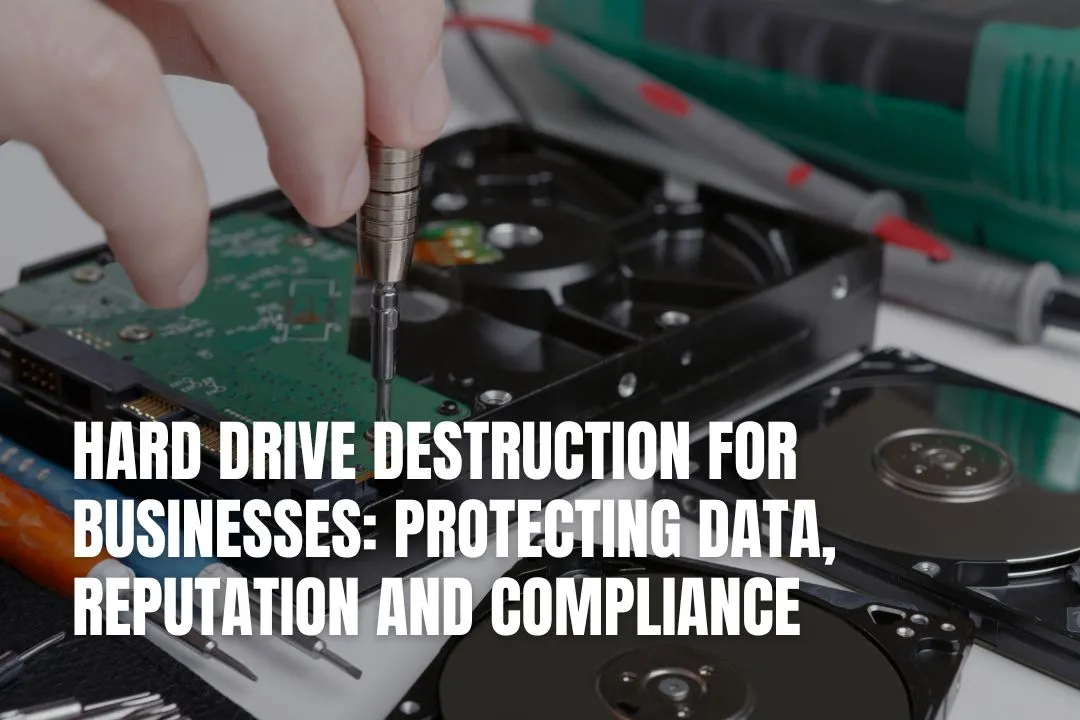
In today’s data-driven business landscape, information security doesn’t end with a password policy or a firewall. It extends to how companies manage and dispose of their end-of-life IT equipment — especially storage devices like hard drives. When these devices are no longer in use, they must be handled carefully to prevent sensitive data from falling into the wrong hands. This is where hard drive destruction becomes essential. For businesses dealing with customer data, financial records, intellectual property or internal documents, physically destroying data storage devices is one of the most secure methods of ensuring data is permanently removed.

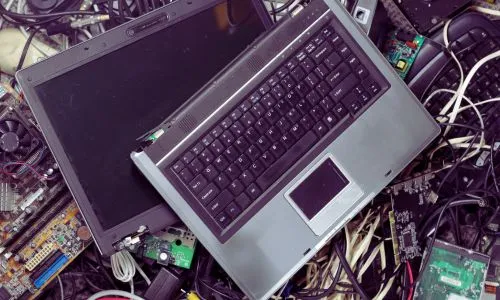
Simply deleting files or formatting a hard drive is not enough. Even after being wiped, data can often still be recovered using advanced forensic tools. For businesses, this creates a significant risk of data breaches, which can lead to financial penalties, reputational damage, and regulatory consequences under laws such as the UK GDPR or industry-specific compliance standards.
Hard drive destruction provides peace of mind by ensuring that no data can be recovered, ever. It involves the physical shredding or crushing of storage media, rendering them completely unreadable and irreparable.
There are many situations in which companies should opt for professional hard drive destruction:
In each of these cases, businesses are responsible for the data stored on those drives, even if the equipment is no longer in use. Secure destruction ensures full control over data at every stage of the IT asset lifecycle.
Professional hard drive shredding services follow a strict, secure process:
The result? Total destruction of data and full transparency for your business records.
Some organisations, especially those in finance, healthcare or government, require that storage media never leave the premises before being destroyed. In such cases, on site data destruction is the ideal solution.
With this service, a certified technician arrives at your location with mobile shredding equipment. You can witness the destruction process firsthand, which adds another layer of accountability and trust. This approach eliminates risks during transportation and ensures data never leaves your physical control.
Certified hard drive destruction services help businesses comply with:
After the process, companies receive a certificate of destruction, including serial numbers and timestamps, providing verifiable proof that data was destroyed securely and in accordance with legal requirements.
As cyber threats and data regulations continue to evolve, secure hard drive destruction should be a core component of every company’s data protection strategy. Whether through scheduled pickups or on site data destruction, the goal is the same, eliminate data risk, ensure compliance, and protect your organisation’s reputation.
By working with a professional hard drive shredding provider, businesses gain peace of mind knowing that their sensitive information has been permanently and securely destroyed, the right way.
Formatting a hard drive doesn't permanently erase the data. With specialised software, information can often be recovered, which creates a significant security risk for your business. Physical destruction is the only way to ensure data is completely unrecoverable.
A certificate of destruction is a formal document provided by the shredding service that confirms your hard drives have been securely destroyed. It typically includes serial numbers and timestamps, serving as crucial proof for your compliance records and audits.
On-site destruction is the best choice if your business handles highly sensitive data, such as financial or healthcare records, and your security protocols demand that storage media never leaves your premises intact. It offers maximum security and peace of mind.
Proper hard drive destruction helps your business comply with major data protection laws, including the UK GDPR. It also supports information security standards like ISO 27001, protecting you from fines and reputational damage associated with data breaches.
Professional services follow a strict chain-of-custody procedure. This involves secure collection and transport, serial number tracking, and providing you with a certificate of destruction. Reputable providers like those recommended by Robin Waite Limited ensure every step is documented and secure.