
November 8, 2023

February 6, 2026

Editorial Disclaimer
This content is published for general information and editorial purposes only. It does not constitute financial, investment, or legal advice, nor should it be relied upon as such. Any mention of companies, platforms, or services does not imply endorsement or recommendation. We are not affiliated with, nor do we accept responsibility for, any third-party entities referenced. Financial markets and company circumstances can change rapidly. Readers should perform their own independent research and seek professional advice before making any financial or investment decisions.
Seasonal food demand shapes nearly every part of the supply chain. From holiday spikes to weather-driven shifts in consumer behaviour, food businesses must adjust quickly to stay competitive. Meeting these fluctuations requires coordination across forecasting, sourcing, storage, and delivery. Companies that plan and stay flexible are better positioned to serve customers without waste or disruption.

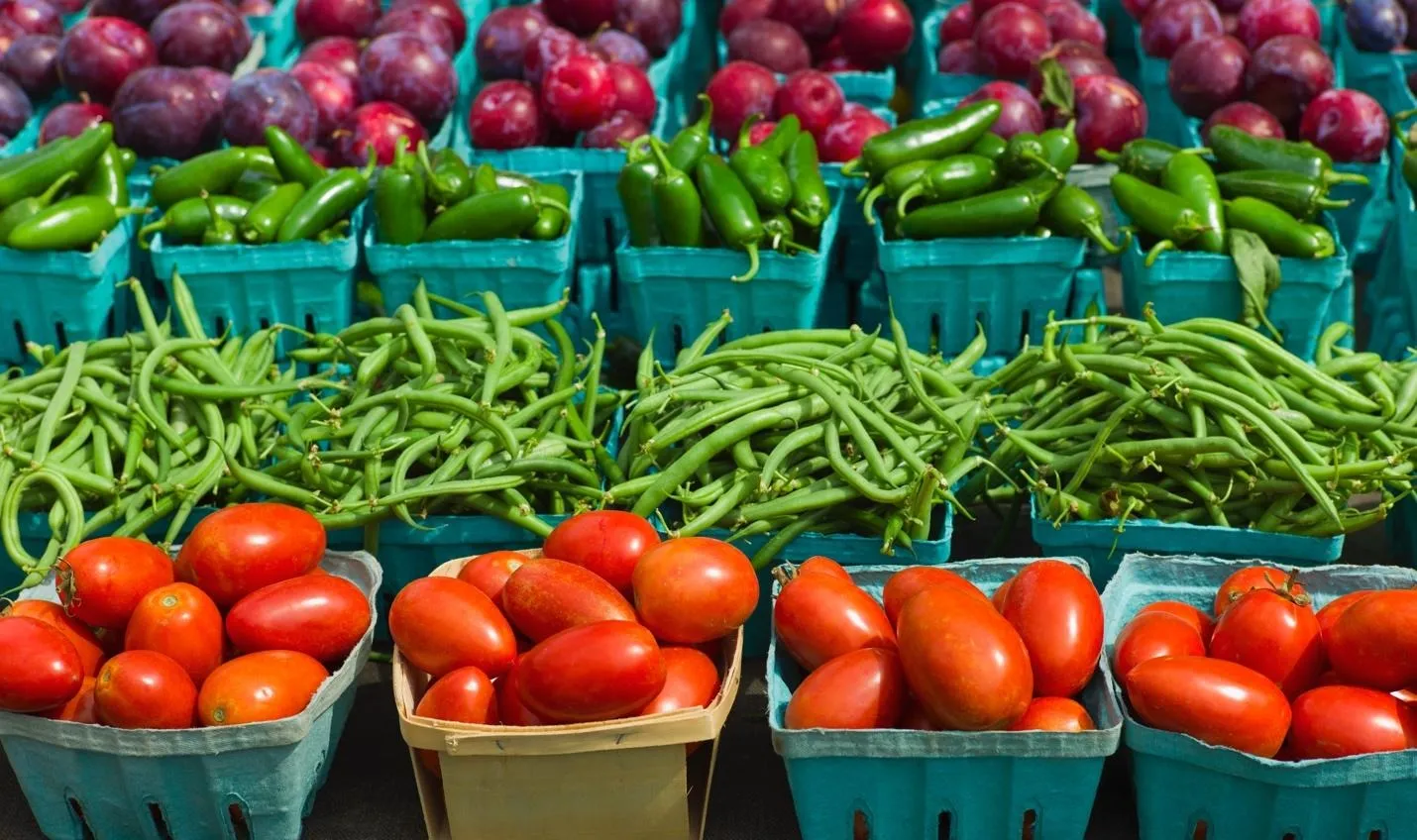
Accurate forecasting is the first step in managing seasonal demand. Historical sales data, regional trends, and promotional calendars help businesses anticipate when demand will rise or fall. For example, warmer months often increase demand for fresh produce and beverages, while colder seasons drive interest in shelf-stable and comfort foods.
Forecasts work best when they are updated frequently. Sudden weather changes, supply disruptions, or shifts in consumer habits can quickly alter expectations. Teams that revisit forecasts regularly respond faster and reduce the risk of shortages or excess inventory.
Once demand is anticipated, sourcing strategies must align. Seasonal products often rely on specific growing cycles or limited harvest windows. Building strong relationships with suppliers helps ensure consistent access during peak periods.
Diversifying suppliers across regions also reduces risk. When one area faces crop delays or transportation issues, alternate sources can help fill gaps. Clear communication about volume expectations supports smoother planning on both sides.
Seasonal demand places pressure on storage capacity. Overstocking ties up capital and increases spoilage risk, while under stocking leads to missed sales. Effective inventory management balances availability with turnover.
Cold storage, dry warehousing, and temperature-controlled environments must be scaled to match seasonal needs. Businesses often adjust storage layouts or use temporary space during peak periods to maintain flow without congestion.
Labour needs fluctuate alongside demand. Peak seasons require additional staff for receiving, processing, and shipping. Cross-training employees improves flexibility, allowing teams to shift roles as volumes change.
Automation and process standardisation also help manage workload increases. When systems are streamlined, adding volume does not require proportional increases in labour or overtime.
Distribution strategies must adapt to seasonal surges. Transportation capacity, delivery schedules, and route planning all face pressure during high-demand periods. Advance coordination with carriers helps secure capacity before peak seasons begin.
Some businesses partner with fulfilment and distribution services to extend reach and absorb volume spikes. These partners offer infrastructure and expertise that support consistent delivery without long-term investment.
Seasonal demand increases the risk of waste, especially for perishable foods. Clear sell-by management, dynamic pricing, and donation programs help reduce losses. Monitoring inventory closely during peak periods allows teams to act quickly when products move more slowly than expected.
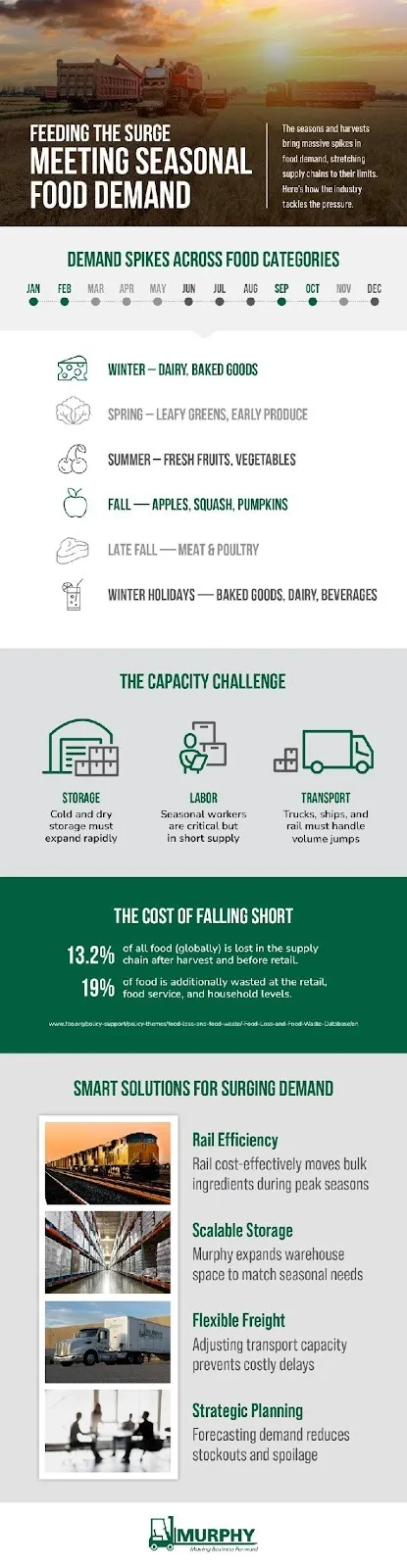
Meeting seasonal food demand requires more than reacting to spikes. It depends on preparation, coordination, and flexibility across the supply chain. Businesses that align forecasting, sourcing, storage, and distribution build resilience into their operations. With the right systems and partnerships in place, seasonal shifts become opportunities to grow rather than challenges to survive. Look over the infographic below for more information.
The first and most crucial step is accurate forecasting. By analysing historical sales data, regional trends, and upcoming promotions, you can anticipate when demand will rise and fall, allowing you to prepare your supply chain accordingly.
To prevent stockouts, you should build strong relationships with a diverse group of suppliers. This strategy reduces your reliance on a single source and provides alternatives if one supplier experiences delays or shortages.
You can improve flexibility by cross-training your current employees, allowing them to cover different roles as needed. Standardising processes and introducing automation can also help your team handle increased volume more efficiently without relying heavily on temporary staff.
To minimise waste, you need active inventory management. This includes using dynamic pricing to move products faster, closely monitoring sell-by dates, and establishing partnerships for food donations. These actions help you avoid losses from perishable goods.
Not necessarily. Partnering with third-party fulfilment and distribution services can be a smart move. These services provide the infrastructure and expertise to help you scale your delivery operations during peak times without requiring a large, long-term investment from your business.
