
June 25, 2025

Editorial Disclaimer
This content is published for general information and editorial purposes only. It does not constitute financial, investment, or legal advice, nor should it be relied upon as such. Any mention of companies, platforms, or services does not imply endorsement or recommendation. We are not affiliated with, nor do we accept responsibility for, any third-party entities referenced. Financial markets and company circumstances can change rapidly. Readers should perform their own independent research and seek professional advice before making any financial or investment decisions.
Waiting, staring and frowning at your screen. Inboxes are chaos. Emails explode in numbers, dozens, hundreds, daily. All fighting for attention. Yours can disappear like dust. Unseen, unnoticed. How you follow up can mean ignored forever, looked at like you’re pushy, or greeted with a polite “oh yes, thanks for the reminder.” Polite follow-ups are essential. They signal respect, persistence and emotional intelligence in action.
Pause for a second! Have you wondered why follow-ups fail? Why does a small nudge feel annoying? Because people forget the reader is human. Busy humans. Juggling meetings, deadlines, calls, and notifications are popping up. You’d better be sure you know how to follow up correctly, or it backfires badly.

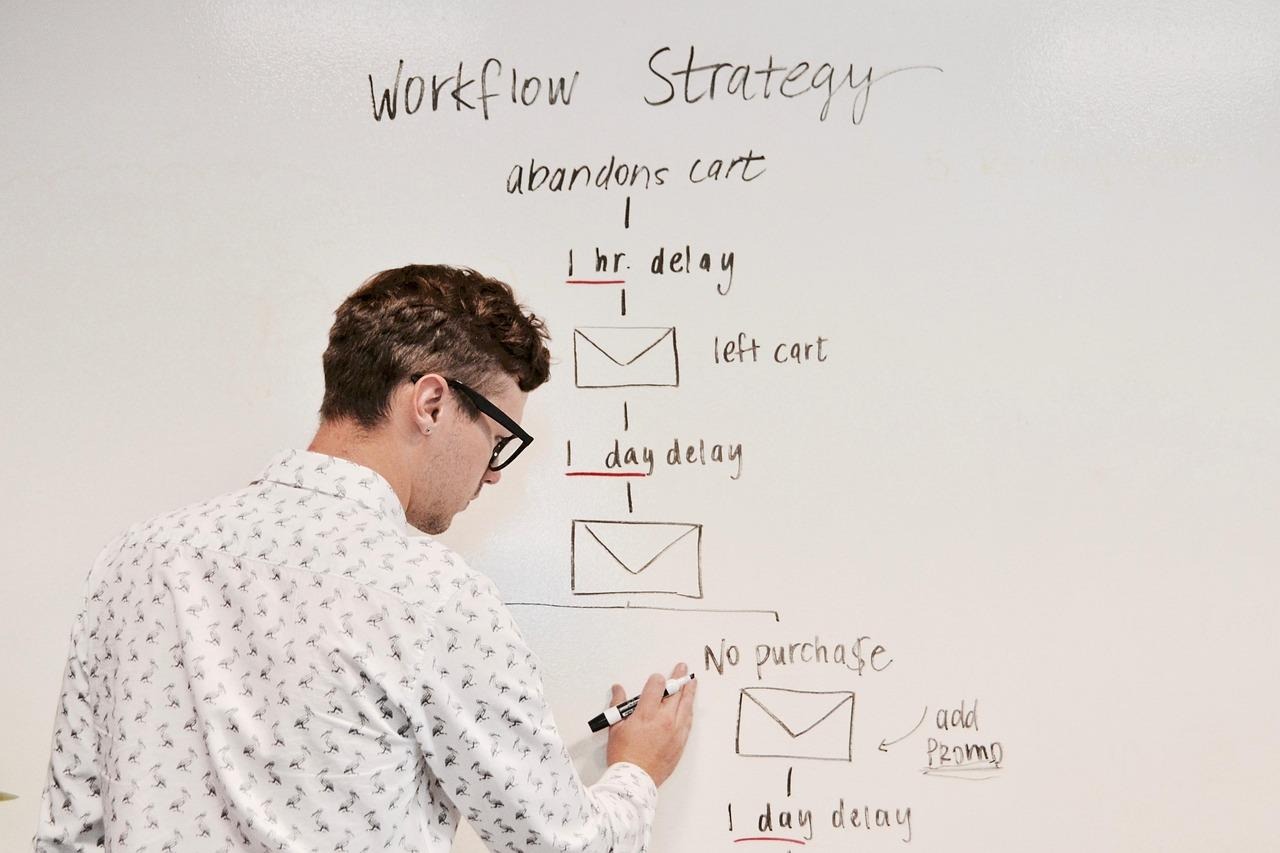
Emails vanish not because someone’s rude. Priorities shift faster than your eyes can follow. Your email may have been read, tagged “later,” then buried under a tsunami of new messages. Happens all the time. You are not alone!
A follow-up acts as a gentle nudge. Just a friendly reminder: “Hey, this still matters.” Professionals across industries expect polite follow-ups. They bridge the gap between sending a message and getting real action. Polite follow-ups help projects keep moving, deadlines get met, and relationships stay smooth. Used right, they boost your credibility, but if ignored, you can come across as sloppy, impatient, or careless
Think of it like this: your email is a message in a bottle. The follow-up? A friendly shout across the ocean. Sometimes, that’s all it takes. For more strategies, check out this helpful guide on professional email etiquette.
Small mistakes can blow up. They seem tiny but carry a lot of weight. Misreading tone happens all the time in emails. Watch out for these:
Even words meant to help can backfire. You think, ‘I’m clear!’ The reader hears ‘annoyed, demanding, impatient.’ Subtlety matters. Polite words often get cooperation instead of resistance.
Timing is everything. Too soon = pushy. Too late = lost momentum. You’d better be sure.
When you send a message matters. Too early can feel demanding, too late can seem like you don’t care, but the right timing shows respect and professionalism.
Simple: friendly, clear, concise. But tricky sometimes.
Politeness is tone, not magic words. Friendly phrasing = collaboration. Goal: clarity + action, not judgment.
Repetition kills interest. Don’t be a broken record.
Subtle wording tweaks allow you to avoid repeating yourself and lead to better reception and more collaborative conversations. When tweaking words feels difficult, you can try this reworder to paraphrase text, clarify ideas, and simplify wording without changing the original message.
Tone beats words, every time.
Softening phrases go a long way, like ‘I wanted to check in’ or ‘Would you mind a quick update?’ Words like perhaps or maybe help readers save face.
Tone works like body language in text, so being concise and polite is powerful, and short sentences carry a lot of meaning when used well.
First Follow-Up (3–5 Days)
Subject: Following up: [Original Subject]
Hi [Name],
Hope you’re having a good week.
Just circling back on my email below regarding [Topic]. Let me know if you need anything from my end.
Best,
[Your Name]
Second Follow-Up (One Week Later)
Subject: Re: [Original Subject]
Hi [Name],
Hope your week’s going well.
Gently following up on my notes about [Topic]. Finalising [related task] and want your input.
Would a quick call this week help?
Thanks,
[Your Name]
Final Follow-Up
Subject: [Topic] – Checking in one last time
Hi [Name],
Following up one last time regarding [specific item].
I understand you’re busy. I’ll leave the ball in your court. Reach out if you’d like to continue later.
All the best,
[Your Name]
Follow-ups = trust-building, not just tasks. Proper emails turn missed messages into positive interactions. You’d better be sure.
Mastering polite follow-ups transforms a dreaded chore into a professional advantage. Timing, tone, structure, empathy. Emails from invisible notes to welcome messages. It matters more than you think.
For non-urgent requests, it's best to wait between 3 to 5 business days. If the matter is urgent, you might follow up within 2 days, but avoid sending a follow-up within 24 hours unless it was previously agreed upon.
The most common mistakes include showing impatience with phrases like “As I mentioned,” being lazy with generic bumps, and using pressure-heavy words that create resistance. Always aim for a curious and collaborative tone instead of a demanding one.
A good rule of thumb is to send no more than two or three follow-ups. If you don't receive a response after that, it's better to switch your communication channel, like a phone call, or to politely close the loop as shown in the final follow-up template.
Keep it simple and clear. Replying to the original email thread by using “Re: [Original Subject]” is effective. You can also use a gentle prompt like “Following up: [Original Subject]” to provide immediate context.
Instead of repeating your request, add value. You can reframe the message by focusing on the project's outcome, offer to help clarify things with a quick call, or provide a small piece of new information relevant to your original email.
Waiting, staring and frowning at your screen. Inboxes are chaos. Emails explode in numbers, dozens, hundreds, daily. All fighting for attention. Yours can disappear like dust. Unseen, unnoticed. How you follow up can mean ignored forever, looked at like you’re pushy, or greeted with a polite “oh yes, thanks for the reminder.” Polite follow-ups are essential. They signal respect, persistence and emotional intelligence in action.
Pause for a second! Have you wondered why follow-ups fail? Why does a small nudge feel annoying? Because people forget the reader is human. Busy humans. Juggling meetings, deadlines, calls, and notifications are popping up. You’d better be sure you know how to follow up correctly, or it backfires badly.
