
April 13, 2022

Editorial Disclaimer
This content is published for general information and editorial purposes only. It does not constitute financial, investment, or legal advice, nor should it be relied upon as such. Any mention of companies, platforms, or services does not imply endorsement or recommendation. We are not affiliated with, nor do we accept responsibility for, any third-party entities referenced. Financial markets and company circumstances can change rapidly. Readers should perform their own independent research and seek professional advice before making any financial or investment decisions.
Industrial maintenance has looked the same for decades.
Employees climb towers, access confined spaces, and ascend structures at height to perform routine maintenance checks, putting their lives at risk every time they do it.
It's the status quo… but it's starting to change.
Drone inspection technology is revolutionising industrial maintenance and safety compliance across countless industries. Here are some of the facts.

Let's start with a quick statistic…
According to OSHA, falls account for 35% of construction-related deaths each year. That's followed closely by deaths related to entering confined spaces and exposure to harmful atmospheres.
Inspections generally require setting up scaffolding or using crane access, rope systems, and shutting down entire pieces of equipment just to climb inside and "see what's going on." That's expensive, time-consuming, and incredibly risky for workers.
That's got to change.
…and it is.
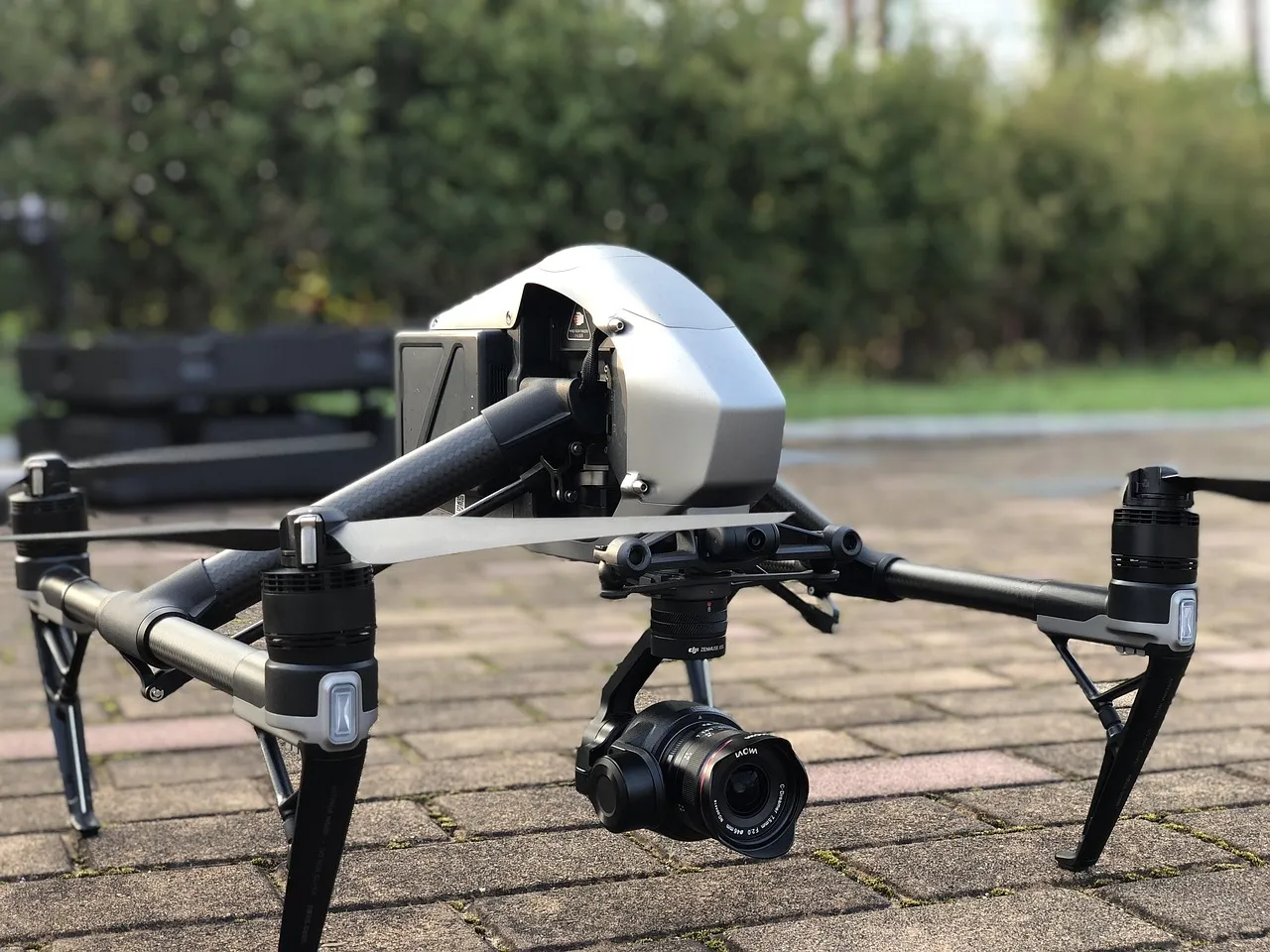
Complete inspection solutions utilising drone technology allow operators to avoid placing workers in harm's way.
Flying a UAV equipped with thermal cameras, high-resolution photography, and other sensors into or around an asset allows teams to digitally capture every inch of information a manual inspector would… only more safely, quickly, and with higher fidelity than a human can achieve on foot.
And for industries that need NDAA-compliant solutions that keep data secure, American-made drones for inspection from authorised manufacturers keep information safe while providing access to the kinds of tools needed to put real drone inspection technology to work.
It's not just hardware. Artificial intelligence is changing the inspection game by allowing drones to automatically detect defects, track changes over time, and predict when maintenance should be performed before something actually breaks down. Drones can now be trained to utilize machine learning, constantly improving inspection logic based on the vast amount of data gathered with each mission.
It's a foundational shift in how inspections are performed.
Safety compliance in the workplace is a massive headache for heavy industry. If an inspector writes something down wrong, an organization could be setting itself up for non-compliance down the road. There's zero margin for error, which means tons of pressure on people who have to manage it.
Deployment of drone inspection technology greatly reduces that pressure. Automated flight missions can be created to log inspection data, produce timestamped audit reports, and even generate defensive documentation practices that will satisfy OSHA's standards, all without increasing a team's workload.
Here's some important context.
More than 43% of large North American manufacturing firms already use drones for inspections, compliance auditing, and non-destructive testing. That number is expected to grow to over 60% by 2026. If an organization isn't using drones yet, chances are competitors already are.
There's also the added risk of being hurt on the job. The average injury runs a company over $40,000 when factoring in lost productivity, OSHA fines, and emergency medical response. Fatal accidents can set businesses back millions in legal fees.
Not only can traditional methods put workers at risk, they can put the entire business at financial risk.
When most people think drone inspections, they picture a drone taking aerial photos. While that has certainly been one use case, the applications for drones in industry extend well beyond capturing pictures. Here's where drones are having the biggest impact right now:
Wind turbine inspections used to require entire crews climbing precariously assembled structures. With drone inspection technology, teams can reduce turbine inspection time by up to 70%. For wind farm operators with expansive sites containing dozens of turbines, that's not a marginal improvement, that's changing the entire workflow.
Simply put, every industry using drone inspection technology is keeping workers off heights, out of confined spaces, and away from the multitude of hazards encountered during manual inspections.
The technology keeps workers safe. Period.
The counterintuitive part about drone inspection technology is that it doesn't just prevent injuries. It actually saves businesses money.
Analysts have discovered that utilization of drone technology can improve inspection times by up to 85% while simultaneously reducing operating costs by as much as 70% when paired with AI-powered analysis tools.
Translated into real-world benefits:
The global drone inspection and monitoring market was valued at $16.4 billion in 2024 and is expected to reach $38.2 billion by 2030. The drone industry is growing because companies are realizing the ROI for themselves.
The cost savings are real.
Drones aren't some experimental tech that early adopters are playing around with.
Businesses across energy, construction, manufacturing, and more are starting to demand drone inspections because they know it's the right thing to do. Saving money, keeping employees safe, and having better information to work with is irresistible to those with the foresight to plan for their organization's future.
Here are a few of the biggest reasons drone inspection technology is taking over:
The industries that don't hesitate are investing in quality equipment built specifically for industrial inspection. That includes dependable American-made drones for inspection from manufacturers built for the job.
Traditional inspections often force your employees to work in dangerous conditions, such as climbing tall structures, entering confined spaces, or using complex rope systems. These activities carry a high risk of falls and exposure to harmful atmospheres, which are leading causes of workplace fatalities.
Drones remove the human element from hazardous situations. By flying a drone equipped with advanced sensors and cameras into or around an asset, your team can gather all the necessary data from a safe distance, eliminating the need for anyone to physically enter a dangerous area.
Yes, absolutely. Drone inspections can reduce inspection times by up to 85% and operating costs by as much as 70%. You save money by decreasing machine downtime, avoiding the expense of scaffolding or boom lifts, and potentially lowering your insurance premiums as workplace accidents decrease.
Many heavy industries are seeing huge benefits. The Oil & Gas, Energy & Utilities, Construction, Manufacturing, and Mining sectors are all using drones for tasks like pipeline mapping, wind turbine analysis, structural inspections, and safety compliance auditing, making their operations safer and more efficient.
Modern drone solutions are designed to be user-friendly. With features like automated flight missions and AI-powered data analysis, integrating this technology into your workflow is more straightforward than you might think. Companies like Robin Waite Limited can help guide businesses through this transition.
