
April 29, 2025
October 20, 2026
Editorial Disclaimer
This content is published for general information and editorial purposes only. It does not constitute financial, investment, or legal advice, nor should it be relied upon as such. Any mention of companies, platforms, or services does not imply endorsement or recommendation. We are not affiliated with, nor do we accept responsibility for, any third-party entities referenced. Financial markets and company circumstances can change rapidly. Readers should perform their own independent research and seek professional advice before making any financial or investment decisions.
The pursuit of lifelong learning is no longer just a hobby. For many professionals, it is a survival strategy, and research indicates that approximately 73% of adults identify as lifelong learners. They continue to study and broaden their horizons beyond formal education. However, for the modern entrepreneur or consultant, the challenge is a lack of time. In an era of information overload, the question of how to improve general knowledge often shifts from "What should I learn?" to "How can I possibly fit learning into a schedule already packed with meetings and calls?"
The habits and tools outlined in this article were selected after a thorough review of educational research, productivity literature, the learning systems used by high-performing professionals, and ratings. This research process involved identifying methods that consistently appear on expert reading lists and in scientific discussions on cognitive retention and microlearning. Let's check the examples to see how they may fit into your short daily routines!

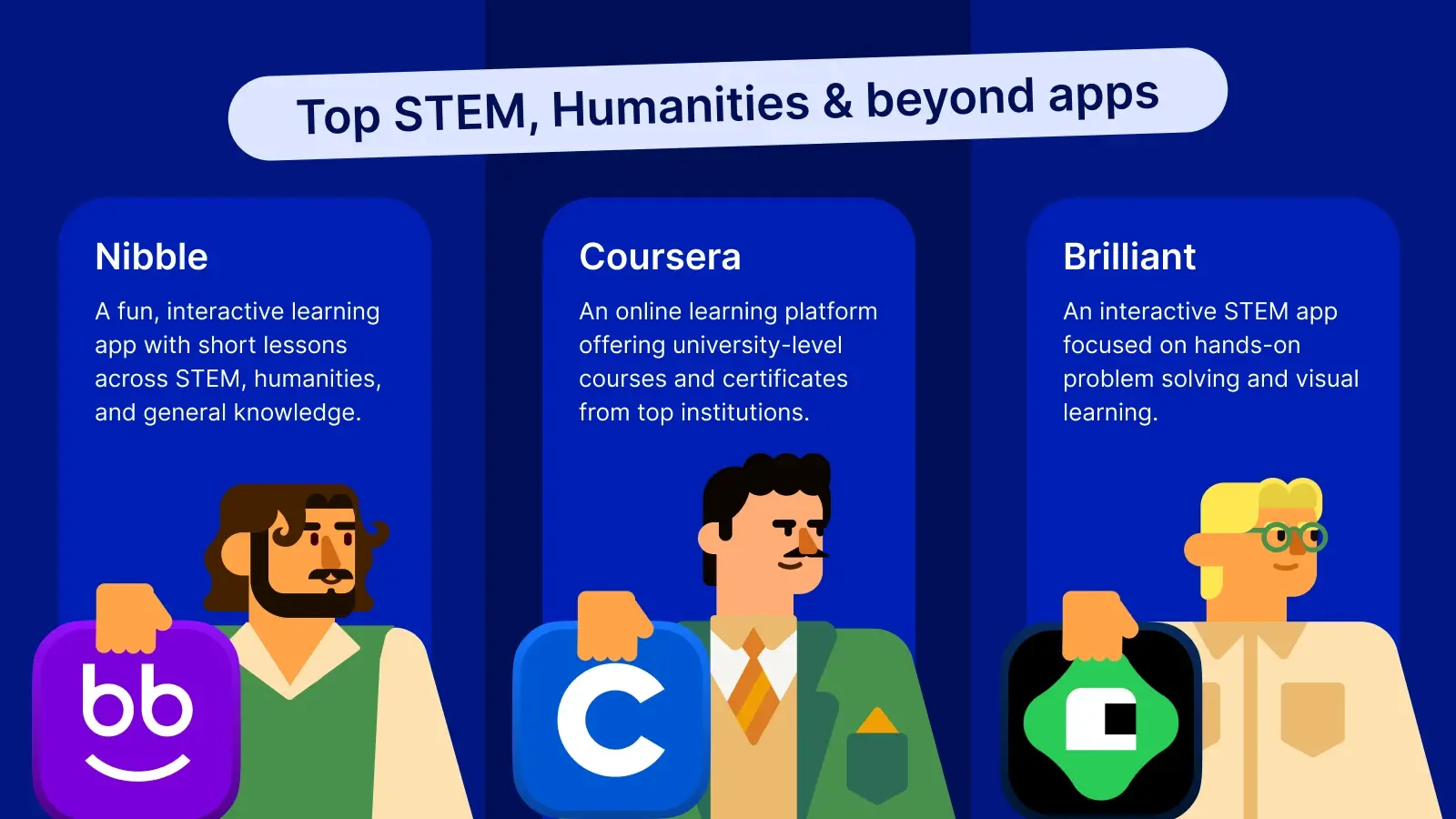
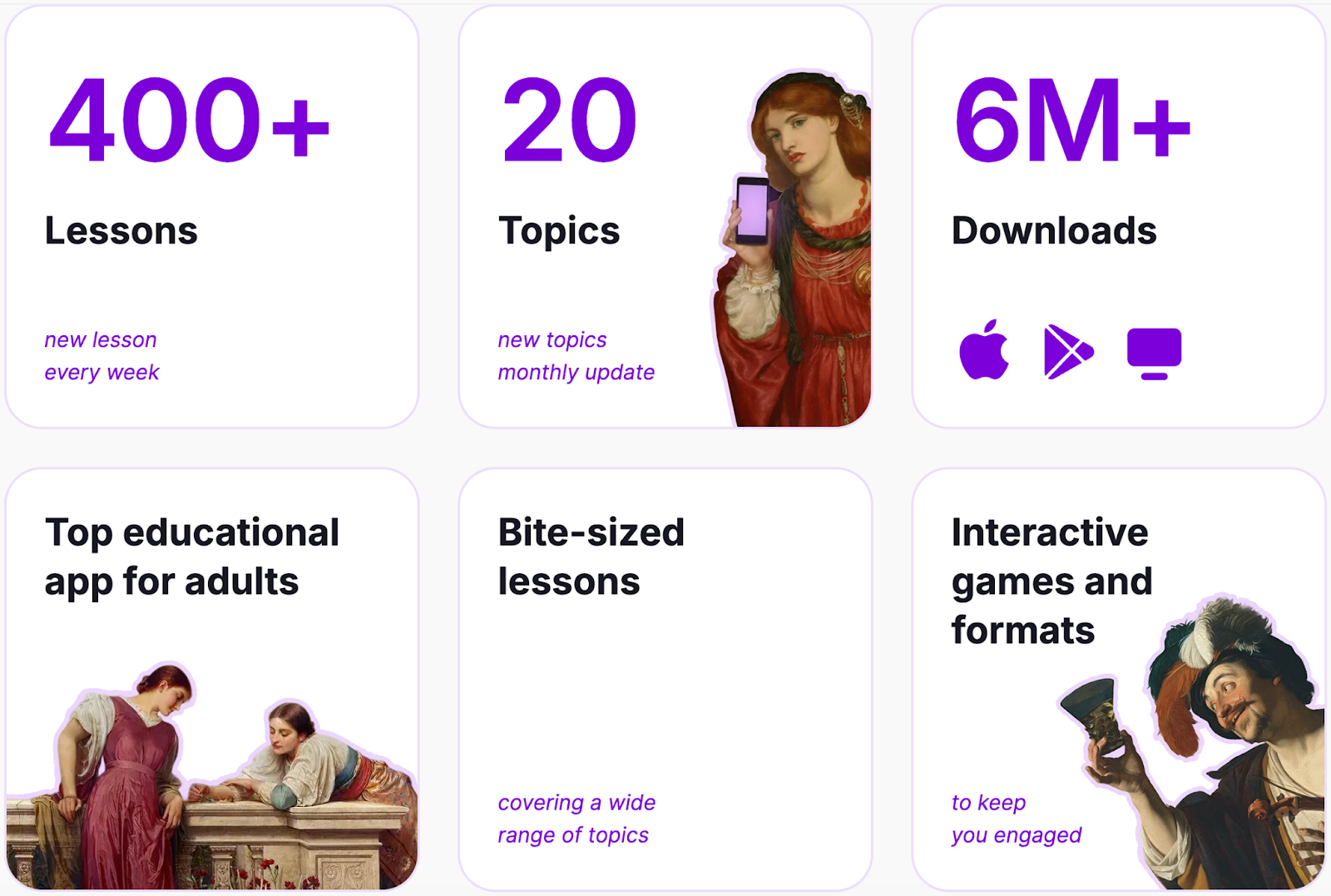
Microlearning is a powerful solution for those who find traditional hour-long courses incompatible with their workday. The Nibble website offers a platform designed specifically for this purpose, providing interactive, 10-minute lessons across twenty diverse topics, ranging from criminology and art history to logic and statistics.
This approach is supported by significant evidence showing that learning is more effective with micro-learning blocks. Retention improves when information is delivered in small, manageable units rather than in long, infrequent sessions. You can complete a lesson on psychology concepts or historical events in 5 or 10 minutes.
The app features lesson cards that break down complex ideas into simple explanations. You can also use audio short casts for commuting, and quizzes that use the trial-and-error method to help the new knowledge stick.
An alternative is NerdSip, which works on a different model: instead of a fixed catalogue, it builds a fact-checked course on any topic you ask for, delivered as short illustrated lessons with quizzes and a summary infographic. Courses are surfaced through a swipe-based feed, the same left-right mechanic dating apps made familiar, so finding something new to learn takes seconds rather than browsing. Anything you have already studied resurfaces later on a spaced-repetition schedule, which is what moves general knowledge into long-term memory.
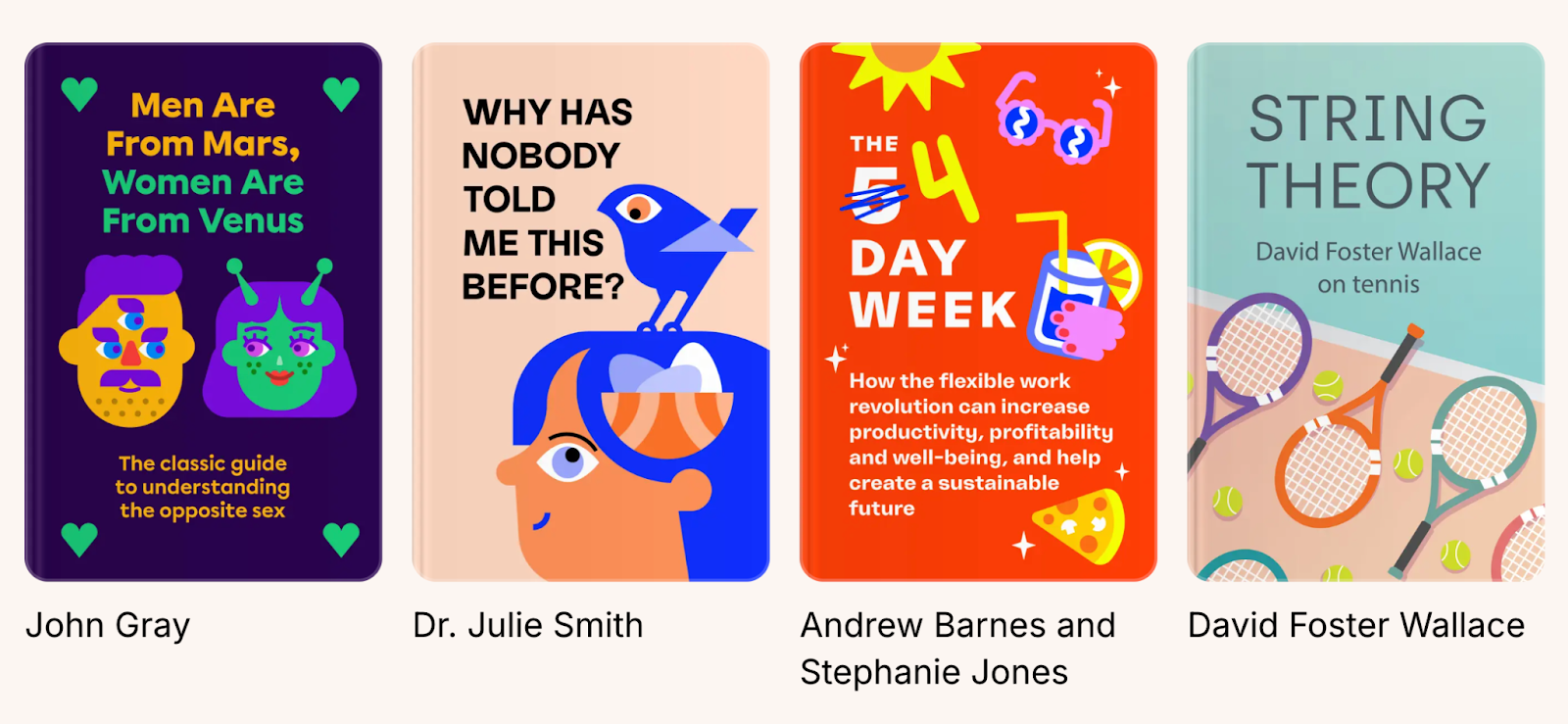
Many professionals want to extract wisdom from the latest business and philosophy books, but lack the eight hours required to read a 300-page volume. Nonfiction summary platforms allow you to review the core research and big ideas of a book in about fifteen minutes.
Additionally, reading habits suggest that condensed explanations significantly improve topic familiarity and recall for busy individuals. By visiting the Headway app and similar educational hubs, you can find structured summaries that focus on decision-making, economic theory, or leadership. Such apps and platforms often include audio modes and progress tracking, making them ideal for travel periods or morning coffee routines where you want a high density of information in a short window of time.
While often overlooked, Wikipedia remains one of the most powerful tools for building a foundational knowledge map. It receives over 6 billion monthly visits, serving as a global starting point for research. The value for a professional lies in their ability to provide instant context.
When you encounter an unfamiliar term in a news report or a business proposal, perhaps a reference to a specific geopolitical event or a scientific principle, spending five minutes reading the introductory summary and the History section of a Wikipedia entry provides immediate context. The platform's reference section also lets you jump directly to the original peer-reviewed research, ensuring your general knowledge is built on a verifiable foundation.
Audio learning turns dead time, such as commuting or performing household tasks, into productive study sessions. Many people now listen to podcasts monthly, with educational content among the fastest-growing categories.
Podcasts like The Daily (for news analysis) or Huberman Lab (for science) typically run between twenty and forty minutes, perfectly matching the average commute. By adjusting playback speed, you can absorb even more information without sacrificing comprehension. This habit ensures a steady stream of expert-level discourse enters your daily routine without requiring you to sit behind a desk.
Visual storytelling is often the most effective way to grasp complex systems, such as the inner workings of the global supply chain or the evolution of AI. The narrative structure of documentaries improves long-term knowledge recall by connecting facts to a compelling visual story.
Instead of passive evening entertainment, choose a documentary series on platforms like Netflix or YouTube's educational channels for deep dives into technology and history. Most episodes are 30 to 60 minutes long, offering a more relaxed yet intellectually stimulating way to end the day.
For subjects that require a sequential understanding, like statistics or personal finance, fragmented reading isn't enough. Online learning platforms like Coursera (which had over 124 million registered learners in 2023) offer university-level courses broken into 10-minute video segments. You can also use similar platforms such as Udemy, Khan Academy, and LinkedIn Learning.
This structure allows you to tackle one specific concept per day. If you are a founder looking to understand market economics, following a structured syllabus ensures there are no gaps in your knowledge. Most of these platforms include discussion forums and downloadable reading materials, allowing for a more academic approach to self-improvement.
The biggest enemy of general knowledge is the Forgetting Curve. As demonstrated by psychologist Hermann Ebbinghaus, memory declines rapidly unless the information is actively recalled. Flashcard apps that use Spaced Repetition Systems (SRS) address this by prompting you to review information just as you are about to forget it.
By spending 10 minutes a day reviewing digital decks on topics such as foreign language vocabulary, capital markets, or historical dates, you strengthen the neural pathways associated with that information. This practice ensures that the general knowledge you acquire actually stays in your long-term memory rather than evaporating within a week.
How to improve general knowledge is about the compounding effect of daily actions. By integrating micro-learning lessons, book summaries, educational podcasts, and listening to or watching audio or video into your existing routine, you can turn idle moments into an intellectual advantage. Whether you are using the Nibble website to master a new logic puzzle or listening to a documentary on YouTube while you commute, these small study windows simply fit into a high-pressure career!
Microlearning involves breaking down topics into small, focused lessons that typically last 5 to 10 minutes. It's highly effective for busy professionals because it allows you to fit learning into small gaps in your day, like a coffee break, making knowledge acquisition manageable and improving memory retention.
You can use nonfiction summary apps and platforms. These services condense the key arguments, research, and big ideas of a 300-page book into a format you can read or listen to in about fifteen minutes, giving you the core wisdom without the time commitment.
Active recall is key to moving information into your long-term memory. Using flashcard apps that employ Spaced Repetition Systems (SRS) is a powerful technique. These apps prompt you to review information just before you're likely to forget it, strengthening your memory over time.
Yes, educational podcasts are an excellent tool. They turn passive time, such as commuting or exercising, into productive learning sessions. You can listen to experts discuss news, science, or business, absorbing a steady stream of valuable information without disrupting your schedule.
By consistently building your general knowledge, you become a more informed and adaptable entrepreneur. Understanding market economics from an online course, leadership from book summaries, or new tech from a documentary can directly inform your business strategy.
