April 12, 2022

Editorial Disclaimer
This content is published for general information and editorial purposes only. It does not constitute financial, investment, or legal advice, nor should it be relied upon as such. Any mention of companies, platforms, or services does not imply endorsement or recommendation. We are not affiliated with, nor do we accept responsibility for, any third-party entities referenced. Financial markets and company circumstances can change rapidly. Readers should perform their own independent research and seek professional advice before making any financial or investment decisions.
By: Charlie Ramshaw
When I started RamClean in 2012, we looked like every other cleaning company. We offered a wide range of services, quoted jobs based on hourly labour, and treated each customer engagement as its own unique project. That’s the traditional model in our industry. It’s also the reason most cleaning companies struggle to scale.
Over time, I realised something important: if we wanted to grow sustainably, deliver consistent quality, and build a company that could scale across regions, we needed to stop thinking like a service provider and start thinking like a product company.
That shift changed everything.

In the early days, we offered both residential and commercial cleaning services. On paper, it seemed like the right approach. Residential work provided volume, and commercial contracts offered stability. But in practice, residential cleaning created operational friction that slowed our growth.
Residential customers had more variability in scheduling, more customisation requests, and required significantly more management attention relative to the revenue generated. Every home was different. Every expectation was different. And that level of customisation made it difficult to build repeatable systems.
We made a strategic decision to stop offering residential cleaning and focus exclusively on commercial clients. At the same time, we raised our minimum service thresholds and focused on organisations that needed full-time, ongoing cleaning operations.
That decision allowed us to concentrate on customers who valued consistency, reliability, and long-term partnerships. It also enabled us to build standardised systems that could scale.
Most people think of cleaning as a manual service. But I began to see it differently. What if, instead of selling labour, we sold a system? What if customers weren’t buying hours, but buying a predictable outcome?
Today, every RamClean customer receives the same underlying operating system, built around three core components.
First, trained people. Every team member is trained on our systems, expectations, safety protocols, and site-specific scopes. From their first few days, they are equipped to perform their role independently and meet our quality standards. But training doesn’t stop there. During the first 30 days, their skills deepen through repetition, feedback, and supervision. And beyond that, training is continuous. At RamClean, “fully trained” isn’t a finish line; it's a standard that is reinforced through ongoing oversight and communication.
Second, standardised processes. We’ve built repeatable workflows that ensure consistency across locations. This eliminates variability and ensures that customers receive the same level of quality regardless of geography or team.
Third, the integration of modern janitorial technology. Tools, systems, and operational infrastructure support our teams and enable them to perform efficiently and consistently.
Together, these elements transform cleaning from an unpredictable service into a reliable product that performs night after night, location after location.
Customers aren’t just hiring cleaners. They’re buying into a proven operating model that has been refined and scaled successfully over more than a decade.
Another critical shift was redefining our relationship with customers.
Traditional service providers operate as vendors. They show up, complete tasks, and move on. But product companies operate differently. They build ongoing relationships with users and continuously improve the product experience.
We adopted that mindset.
Our customers receive proactive communication. We stay responsive when needs change. We take ownership of outcomes rather than simply completing assigned tasks. And we focus on building long-term relationships aligned with our customers’ business goals.
In product terms, this is customer success built directly into the offering. It’s not an add-on. It’s part of the product itself.
This approach creates trust. It also creates retention. And retention is the foundation of scalable growth.
Pricing was another turning point.
Like many service companies, we originally charged by the hour. It was simple and familiar. But hourly pricing ties revenue directly to labour time, which limits scalability and misaligns incentives. It rewards effort rather than outcomes.
We transitioned to scope-based pricing, typically structured around the project or square footage of a facility.
This allowed us to focus on delivering results rather than tracking time. It also enabled us to standardise operations and scale more effectively.
We often present customers with good, better, and best service options. This allows them to select the level of service that aligns with their standards and budget while maintaining clarity around outcomes.
Scope-based pricing shifted our internal focus from managing hours to optimising systems. That change accelerated growth.
Product companies are designed for replication. Service companies are often designed for execution.
We intentionally built RamClean to replicate.
Every new location operates on the same core systems. Every new hire enters the same training pipeline. Every customer receives the same operational foundation.
This consistency allows us to expand into new regions while maintaining quality.
Instead of reinventing the wheel with every new customer, we deploy a proven model.
That’s what makes scaling possible.
Consistency is what customers value most. They don’t want to worry about whether cleaning will happen correctly. They want confidence that it will be handled.
By productising our service, we removed uncertainty.
Our teams know exactly what to do. Our customers know exactly what to expect. Our systems support both.
This operational consistency reduces management overhead, improves efficiency, and strengthens customer relationships.
It also allows leadership to focus on growth rather than troubleshooting daily variability.
Many industries still operate on traditional service models. But the companies that scale successfully are the ones that productize their offering.
Productisation creates clarity. It enables standardisation. It supports training. It improves consistency. And it makes growth repeatable.
At RamClean, productisation allowed us to move beyond being just another local cleaning company.
We became a scalable organisation capable of serving customers across multiple regions while maintaining quality.
The results speak for themselves. Productising our service enabled sustainable growth, stronger customer relationships, and operational efficiency that traditional service models struggle to achieve.
Cleaning may always involve physical work. But the difference between a service company and a scalable company is the system behind that work.
We didn’t change what we did. We changed how we deliver it.
And that’s what ultimately put RamClean on the Inc. 5000.
—-
Contributed by:
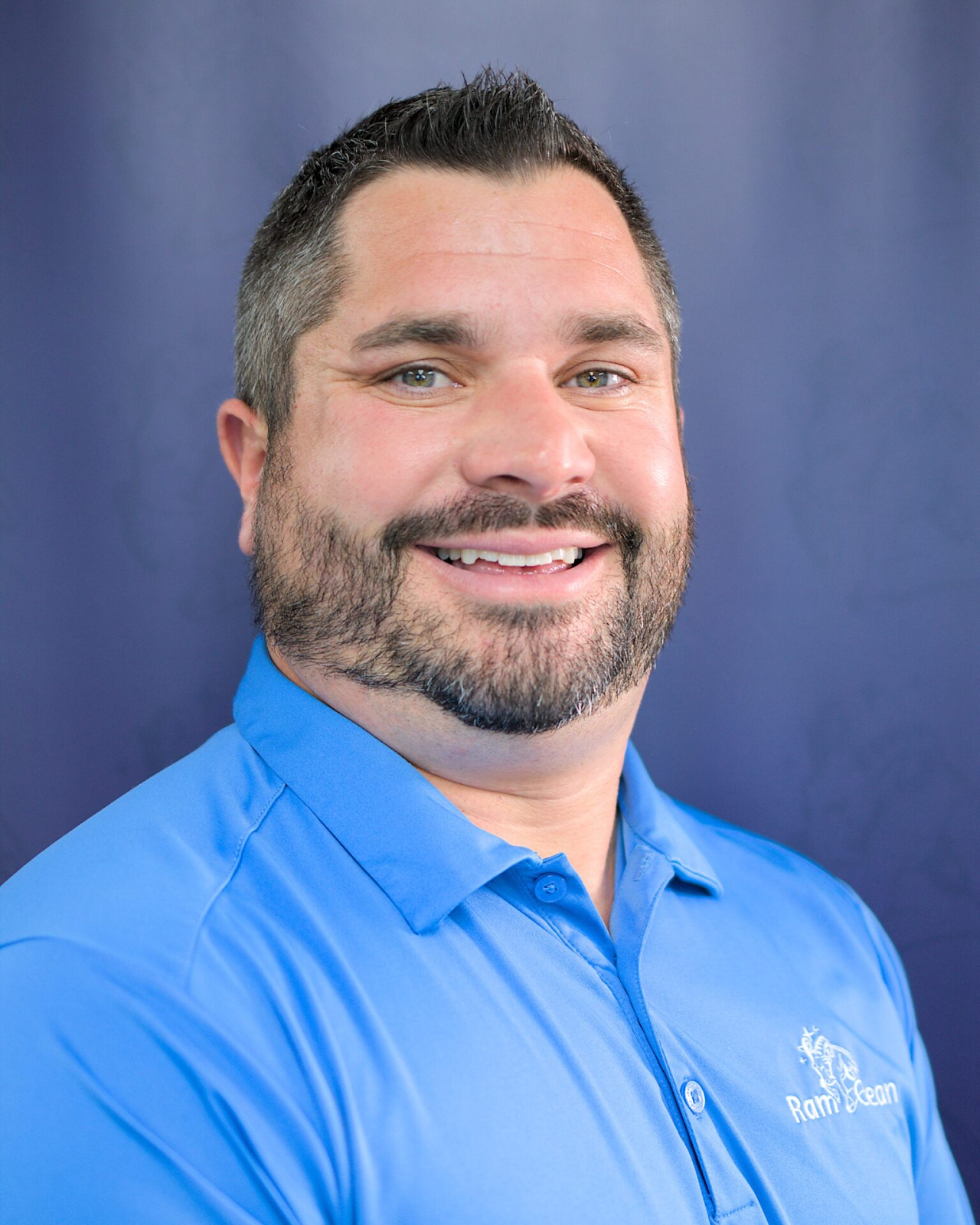
Charlie Ramshaw, CEO of RamClean, is a commercial cleaning company serving mid to large facilities across multiple states.
Productising a service means transforming it from a custom, project-by-project offering into a standardised system that delivers a consistent and predictable outcome. Instead of selling your time, you sell a reliable solution built on proven processes, trained staff, and technology.
Excessive customisation can create significant operational friction, making it difficult to scale. When every job is different, you cannot build repeatable systems, which slows growth and requires far more management attention for the revenue generated.
Scope-based pricing, which is based on the project or facility size, shifts the focus from tracking hours to delivering results. This change encourages you to optimise your systems for efficiency and allows for more predictable revenue, making it easier to scale your operations effectively.
A productised service is typically built on three core components: well-trained people who follow your system, standardised processes that ensure consistency across all jobs, and the integration of modern technology to support your team and improve efficiency.
You can build stronger relationships by acting as a partner rather than just a vendor. This involves proactive communication, taking full ownership of outcomes, and aligning your service with your customers' long-term business goals. This approach, which some experts at Robin Waite Limited might call a customer success model, builds trust and boosts retention.