February 19, 2025

August 27, 2026
Editorial Disclaimer
This content is published for general information and editorial purposes only. It does not constitute financial, investment, or legal advice, nor should it be relied upon as such. Any mention of companies, platforms, or services does not imply endorsement or recommendation. We are not affiliated with, nor do we accept responsibility for, any third-party entities referenced. Financial markets and company circumstances can change rapidly. Readers should perform their own independent research and seek professional advice before making any financial or investment decisions.
In the world of freight shipping, not all cargo follows the same rules. Some items stack up just fine – pile them high, no problem. Others? They have to ride solo, taking up their own spot on the pallet or container floor. This little detail can change everything: pricing, how folks handle your shipment, and even how your freight gets routed from point A to point B.
If you’re shipping stuff, managing a warehouse, or overseeing logistics, you really need to get what “non-stackable cargo” means. It’s not just some technicality, it messes with your costs, your efficiency, and, if you’re not careful, the condition your goods arrive in.

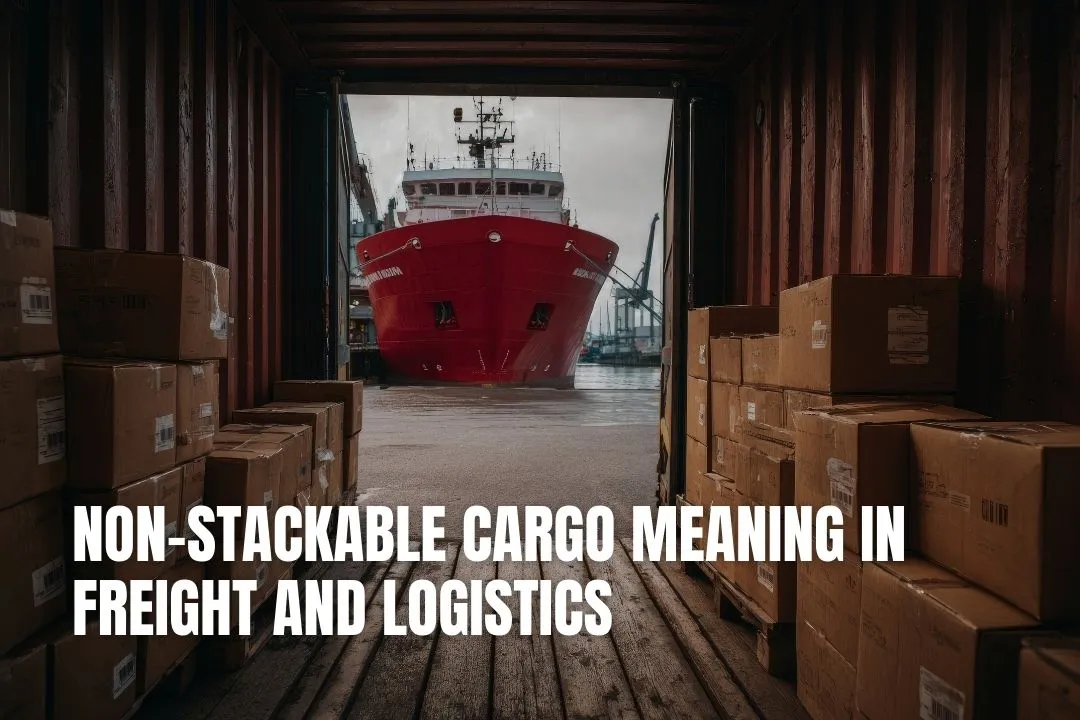
Non-stackable cargo is exactly what it sounds like: freight you can’t stack anything on top of while it’s being shipped or stored. It’s not always obvious why. Sometimes, it’s because the goods are fragile. Other times, they’ve got weird shapes, bad weight distribution, or safety concerns. Maybe the carrier just says, “Nope, nothing goes on top,” because of their own handling rules or because regulations demand it.
You’d be surprised how much stuff is technically non-stackable. Think about:
Even if something looks solid, if stacking would probably wreck it, it’s going in the non-stackable pile. The packaging choices you make for these items also matter: adopting sustainable packaging solutions can lower logistics costs over time while reducing your environmental footprint. Stackable cargo, on the other hand, is tough enough to support extra weight.
Let’s compare. Stackable pallets are the dream: they’re uniform, packed tight in sturdy boxes, balanced, and perfect for warehouse systems. Carriers love them because they can cram more into a truck or container, which means lower costs.
Non-stackable cargo is the opposite and brings a bunch of challenges. It hogs space, needs careful handling, and limits how much freight can go in one load. Delays are more likely, and you might need special equipment to move things around.
Stackable cargo lets carriers use every inch of space from top to bottom. In the opposite case, that extra space above each pallet is wasted. You end up paying for the floor space your shipment takes up, not just the weight. Carriers have to make up for the room they can’t use, so they charge more. They burn more fuel, pay more in labour, and loading gets complicated. Both carriers and shippers end up working harder. That’s why your shipping bill jumps up when you’ve got non-stackable goods. If you want an accurate shipping quote, you need to plug in not just the size and weight into a freight calculator, but also whether your stuff can stack.
Sometimes, it just is. Other times, packaging or how you prep the shipment turns regular freight into non-stackable trouble. Here’s what usually causes it. First of all, weird shapes or flimsy boxes or pallets that can’t take extra weight make staking impossible. In addition, weight that’s not evenly distributed makes things tip over. In some cases, rules say certain goods stay isolated (especially hazardous stuff). Although this happens less frequently, cargo might have special requests from customers who want extra protection. In any case, if you know what’s making your cargo non-stackable, you can often fix it and save some cash.
You don’t have to be a logistics pro to care about non-stackable cargo. Here’s the truth, not everything needs that non-stackable label. Sometimes, a few easy tweaks are all it takes. You can try sturdier packaging, grab standard pallets, spread out the weight, and double-check how you’re labelling your cargo. Talk with your carrier, too – ask what you can adjust. Even small changes can flip a non-stackable headache into a stackable win, and that means saving money and making the whole process smoother.
Let’s be real – logistics runs on efficiency. Every bit of space you use (or waste) hits your bottom line, slows things down, and even affects how green your operations are. When you get what “non-stackable” really means, you start making smarter choices. As a result, your shipping runs more smoothly. Your supply chain actually works for you, not against you.
Stackable and non-stackable cargo – it’s not just some technical jargon. It changes how freight moves, what you pay, and how tight your whole logistics game is. Maybe you’re shipping heavy machinery, maybe just a bunch of sofas, or even small electronics. If you know whether your cargo can be stacked, you’ve got a serious edge. In a world where space is money, understanding how your cargo is classified isn’t just smart. It pays off – every single time.
Typical examples include machinery with delicate parts, large sheets of glass, furniture with irregular shapes, and hazardous materials. Any item that could be damaged or cause damage if something were placed on it is considered non-stackable.
It costs more because it prevents carriers from using the full vertical space in a truck or container. You are effectively paying for the empty space above your items, which means the carrier makes less money from that shipment unless they increase the price.
Yes, often you can. By improving your packaging with sturdier boxes or crates, using standard-sized pallets, and distributing the weight of your goods evenly, you can often convert your cargo to be stackable and reduce your shipping costs.
You must inform your freight carrier or logistics partner when booking your shipment. Be sure to clearly label the pallets with “Do Not Stack” cones or stickers. Failing to declare it properly can lead to damaged goods and unexpected fees.
Absolutely. A weak or damaged pallet cannot safely support additional weight, automatically making your cargo non-stackable. Always use high-quality, standard pallets to ensure your goods can be stacked safely if their contents allow for it.