
December 16, 2025

January 26, 2026
Editorial Disclaimer
This content is published for general information and editorial purposes only. It does not constitute financial, investment, or legal advice, nor should it be relied upon as such. Any mention of companies, platforms, or services does not imply endorsement or recommendation. We are not affiliated with, nor do we accept responsibility for, any third-party entities referenced. Financial markets and company circumstances can change rapidly. Readers should perform their own independent research and seek professional advice before making any financial or investment decisions.
Corporate events go beyond celebrations, offering opportunities to spark ideas, boost collaboration, and drive innovation. Thoughtfully designed experiences can shift perspectives, break routines, and ignite creativity that carries into everyday work, enhancing problem-solving, engagement, and performance.
These events serve as platforms for learning and experimentation. Workshops, interactive sessions, and keynote talks inspire fresh thinking, leaving employees motivated, curious, and better equipped to contribute to a more inventive and adaptable organisation.


A successful corporate event begins with a clear purpose that emphasises creativity. Identifying the type of innovation the organisation seeks helps guide the event’s agenda and activities. Interactive sessions, brainstorming exercises, and problem-solving challenges encourage participants to explore possibilities outside their usual routines.
The physical and virtual environment shapes creativity. Spaces that inspire curiosity, provide flexibility, and incorporate visual and sensory elements can stimulate fresh thinking. Comfortable seating arrangements, creative decor, and dynamic presentation formats all contribute to a more open and imaginative mindset.
Facilitators play a crucial role in guiding participants toward innovation. Skilled moderators and session leaders can introduce new methodologies, encourage risk-taking, and maintain energy throughout the event. Collaborating with professionals ensures that activities are purposeful and result in actionable insights for the organisation.
Keynote speakers can serve as catalysts for new ideas and perspectives. Thought leaders, industry experts, and creative pioneers share stories and strategies that encourage attendees to reconsider conventional approaches. These presentations often provide actionable takeaways that participants can apply within their teams.
Selecting the right speakers requires careful consideration of audience needs and event goals. Tailored presentations, engaging delivery, and relevant insights ensure the audience remains captivated and motivated to implement change. Companies can find the best keynote speakers for their event to align with specific themes.
Post-event reflection sessions help participants integrate lessons from keynote speeches. By discussing concepts and brainstorming applications, teams transform inspiration into tangible strategies. This step reinforces creativity and ensures ideas are more than just temporary motivation.
Group activities foster collaboration and enable creative problem-solving. Activities like design sprints, hackathons, and team challenges allow employees to combine diverse perspectives and generate innovative solutions. Shared experiences strengthen communication and trust, key ingredients for long-term creativity.
Interdepartmental collaboration during events breaks down silos and encourages fresh viewpoints. Employees from different teams can contribute unique insights, sparking novel approaches to challenges. These interactions often continue beyond the event, supporting ongoing innovation within the company.
Debriefing sessions after group activities help capture key ideas and actionable outcomes. Summarising insights and assigning follow-up tasks ensures that creative energy translates into practical solutions. Documentation of successes provides a reference for future initiatives.
Modern technology can amplify the impact of corporate events. Interactive tools such as virtual whiteboards, live polls, and idea-sharing platforms make collaboration seamless and inclusive. Attendees can contribute in real time, enhancing engagement and expanding creative possibilities.
Virtual reality and simulation exercises offer immersive experiences that stimulate imagination. Experiencing scenarios that challenge conventional thinking helps employees envision new ways of solving problems. Technology-driven experiences can cater to remote participants, expanding access and inclusivity.
Data analytics provide valuable insights into participant engagement and creative outcomes. Event organisers can track contributions, identify trends, and measure the effectiveness of activities, ensuring continuous improvement for future events.
Corporate events serve as a launchpad for ongoing creativity within an organisation. Leaders can reinforce lessons learned by promoting cross-team initiatives, innovation hubs, and open forums where ideas are shared and tested. Recognising and rewarding innovative efforts strengthens the organisational culture.
Continuous learning opportunities complement event-driven inspiration. Offering workshops, training, and mentorship programs encourages employees to experiment and refine their ideas. A culture that values curiosity and experimentation nurtures sustained creativity.
Internal communication channels play a critical role in keeping innovation alive. Sharing success stories, insights from events, and employee-generated ideas maintains enthusiasm and reinforces the importance of creativity in everyday work.
Evaluating the success of a corporate event ensures its impact is tangible and long-lasting. Surveys, feedback forms, and follow-up interviews provide insights into participant satisfaction and perceived value. Collecting data on implemented ideas helps quantify innovation outcomes.
Performance metrics such as project completion rates, new product development, or process improvements reflect the practical benefits of creativity inspired by events. Tracking these indicators demonstrates the connection between events and business success.
Organisations can refine future events based on insights gained from measurement. Understanding what activities, speakers, and formats drive engagement allows event planners to maximise creative potential in subsequent initiatives.
Highly structured schedules can suppress creativity by steering participants toward fixed conclusions. A flexible agenda gives attendees room to explore ideas naturally, follow emerging insights, and engage more deeply in conversations. Open time for reflection, informal collaboration, or optional sessions encourages curiosity and active participation.
Providing parallel sessions further supports creative exploration. When attendees choose topics that align with their interests or current challenges, engagement rises organically. Choice-based agendas recognise that creativity develops differently for everyone, whether through guided workshops, open discussions, or individual reflection.
Flexibility allows events to adapt in real time. Facilitators can extend productive discussions or adjust plans based on feedback. This responsiveness empowers participants and transforms events into dynamic, idea-driven experiences.
Storytelling can unlock creativity by helping participants form emotional connections with ideas. When challenges or concepts are presented as narratives, abstract information becomes easier to understand and remember. Stories encourage imagination, empathy, and fresh perspectives that numbers or data alone may not inspire. This emotional engagement sets the stage for deeper creative thinking throughout an event.
Storytelling can be integrated in several practical ways. Leaders may share personal experiences, teams can present ideas as stories, or facilitators can use customer journeys as prompts. These methods shift thinking toward people-focused problem solving and encourage more original solutions.
Story-based activities build stronger group connections. Creating shared narratives promotes collaboration, active listening, and lasting creative impact.
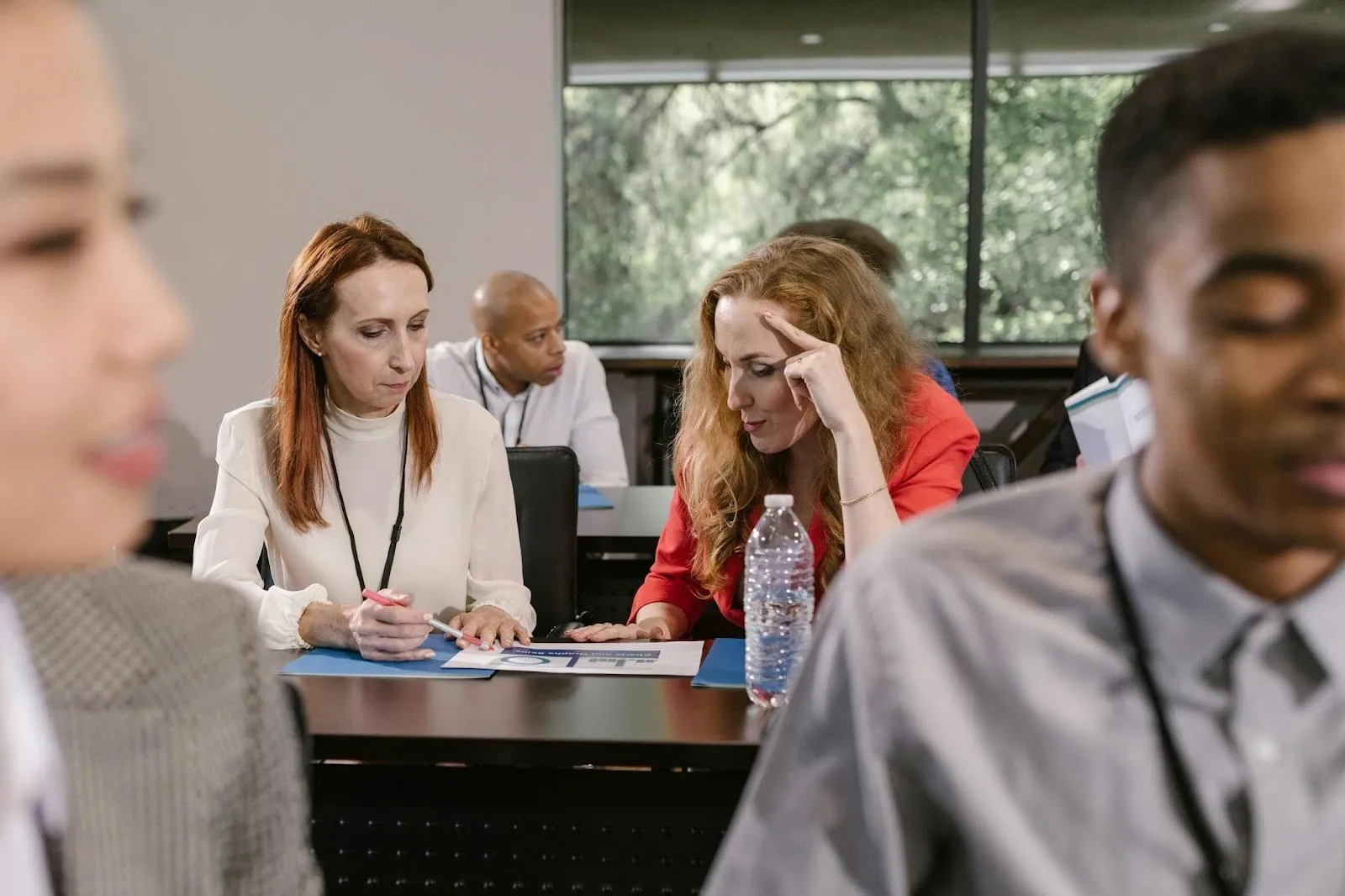
Creativity-focused corporate events create lasting impact when designed with purpose and flexibility. Encouraging exploration, collaboration, and open expression helps ideas develop naturally and strengthens team engagement.
When organisations prioritise imaginative thinking through well-planned events, employees carry that momentum into daily work. This approach supports adaptability, problem-solving, and sustained innovation long after the event ends.
Your first step should always be to define a clear purpose. You need to identify the specific type of innovation you want to encourage, as this will shape the event’s agenda, activities, and choice of speakers.
To make sure inspiration lasts, you should hold post-event reflection and debriefing sessions. These meetings help teams discuss the concepts, brainstorm practical applications, and assign follow-up tasks to turn creative energy into real projects.
While keynote speakers can be very effective, they are not the only way. Interactive workshops, collaborative group challenges, and even internal leaders sharing their own stories can spark significant creative engagement and innovation.
Incorporate a flexible agenda that offers choices. Providing parallel sessions on different topics allows people to follow their interests. Also, using interactive technology like live polls and virtual whiteboards ensures everyone can contribute.
The event space has a significant impact. A comfortable, flexible, and visually stimulating environment encourages an open and imaginative mindset. Think about creative decor, varied seating arrangements, and dynamic presentation formats.
