
February 20, 2026

March 12, 2026

Editorial Disclaimer
This content is published for general information and editorial purposes only. It does not constitute financial, investment, or legal advice, nor should it be relied upon as such. Any mention of companies, platforms, or services does not imply endorsement or recommendation. We are not affiliated with, nor do we accept responsibility for, any third-party entities referenced. Financial markets and company circumstances can change rapidly. Readers should perform their own independent research and seek professional advice before making any financial or investment decisions.
Everyone thinks a second store is the magic ticket to doubling their income. It isn't. It usually acts as a fast track to doubling your headaches and halving your bank account. I see it every single day. A retailer gets a little taste of success. They crush their holiday sales targets. The ego swells. Suddenly, they want a regional empire.
The last time I dealt with a retail owner itching to expand, he ran a killer specialty grocery shop. He made great money. But he got bored. He wanted a second location across town to capture a new neighborhood. He signed a five year lease without doing the hard math. He didn't build a reliable management team first. Six months later? Both stores bled cash. He eventually closed the new spot and took a massive financial hit.
Don't be that guy.


Expansion requires cold logic. It demands a brutal look at your current operations. Let's start with the money. Far too many retail owners run their businesses entirely on vibes and gross revenue. Gross revenue is pure vanity. Net profit is your only reality.
If your current store doesn't consistently hit a 15% net profit margin for at least twelve consecutive months, stay exactly where you are. You need a massive cash buffer. If you lack that healthy margin, opening a second shop just scales your current inefficiencies. You will just lose money twice as fast.
Talk to a professional who will gladly crush your dreams if necessary. When my buddy Steve wanted to open his second hardware store down in Australia, he ran on pure optimism. I told him to hire a ruthless financial advisor in Brisbane. He needed someone to tear his books apart and tell him straight to his face if he was too broke to expand. Steve listened. The advisor told him to wait eighteen months and stockpile cash. That blunt advice saved his entire business.
Now, look at your daily life. Can your flagship store survive without you? Be completely honest. If you take a fourteen day vacation tomorrow, does the shop open on time? Do your employees stock the shelves correctly? Do customers leave happy? Most independent retail owners act as glorified, overworked employees in their own businesses. They do the ordering. They cover sick shifts. They plunge the broken toilets.
You can't be in two places at once. You need airtight systems. You need thick, boring operations manuals. You need shift leaders who actually know how to lead people. If your current staff calls you on your rare day off because the point of sale system froze, you are absolutely not ready for store number two. You will stretch yourself incredibly thin. Both locations will suffer immediately.
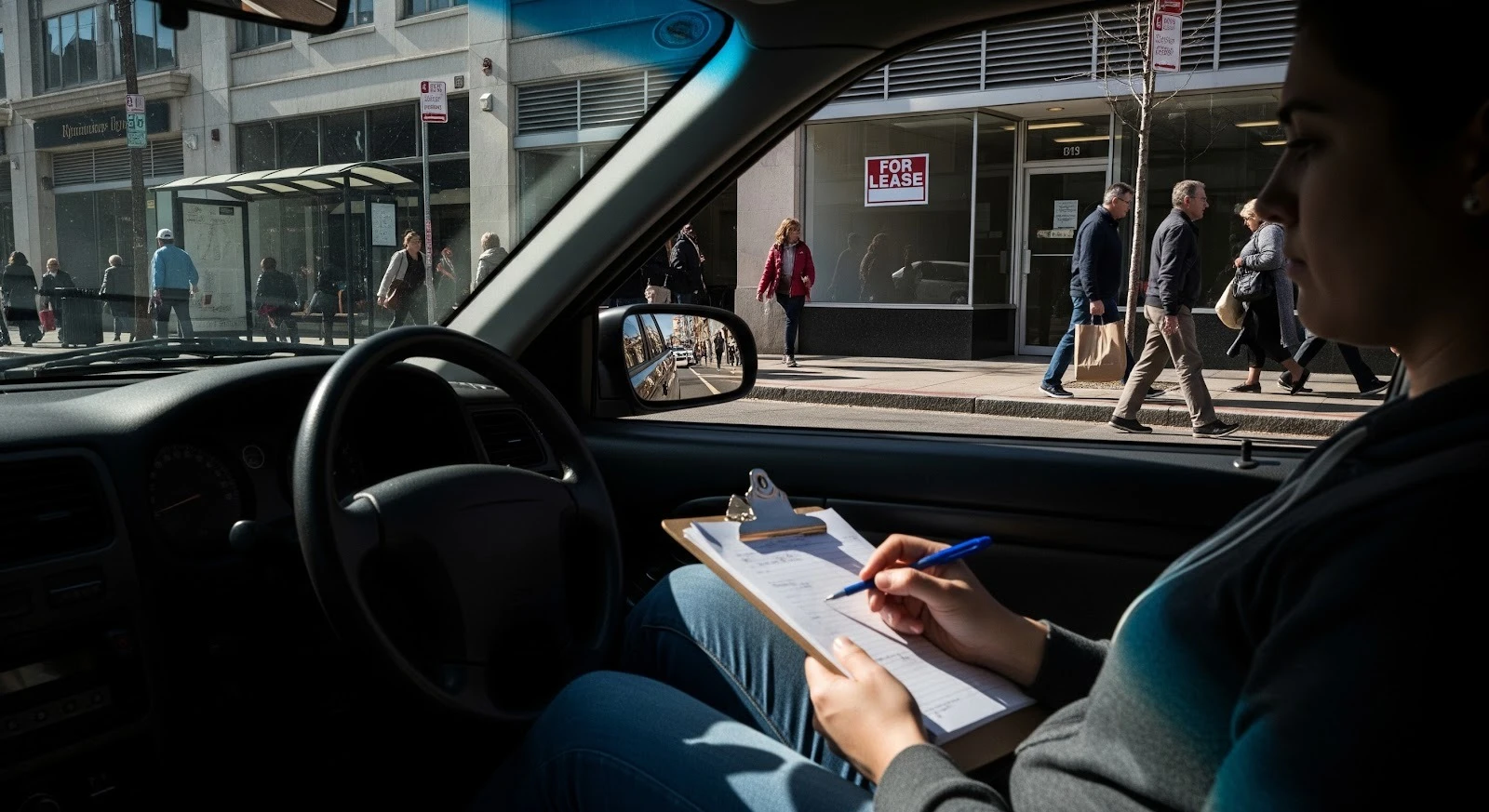
Location scouting creates the next massive trap. Don't just take the first vacant storefront you see because the rent looks cheap. Cheap rent almost always guarantees terrible foot traffic. You get exactly what you pay for in commercial real estate.
Do the tedious groundwork yourself. Sit outside the potential location in your car for three days straight. Count the actual people walking by the front door. Watch where they go. Are they your target demographic? Or are they just teenagers waiting for a city bus?
You also need to know the true market value of the space. Commercial landlords will absolutely try to overcharge you. They smell desperation and excitement from a mile away. Get a professional opinion before you sign any long term lease. If you plan to expand in Queensland, get solid property valuations Brisbane from commercial valuators. Don't guess. Don't trust the landlord and his slick leasing agent. Get your own independent data. Force them to justify the price per square foot.
If you open a second store too close to your first, you don't gain new customers. You just split your existing loyal customers between two buildings. You double your overhead expenses for the exact same revenue.
I always tell my clients to map out the zip codes of their current top spenders. If the new location pulls from those exact same zip codes, pick another neighborhood entirely. You want net new growth.
Finally, face the grim reality of startup costs. Opening a second location takes a terrifying amount of cash. Expect to spend between $100,000 and $300,000 just to get the doors open and the open sign turned on. That figure includes fresh inventory, a full physical buildout, aggressive marketing campaigns, and the hefty security deposit.
Then you need working capital to survive the first six dry months. The new store will not turn a profit on day one. It might take an entire year to break even. Can your flagship store float the new baby until it learns to walk? If the answer is no, keep saving your money.
Expansion acts as a giant magnifying glass. It multiplies your success. But it also aggressively multiplies your flaws. Fix the flaws first. Build a massive cash reserve. Train a real manager to run your current shop. Only then should you start hunting for that second set of keys.
The clearest sign is having a consistent net profit margin of at least 15% for twelve consecutive months. This demonstrates your business model is not just successful but also efficient enough to be replicated. It also ensures you have the cash buffer needed for expansion.
The ultimate test is whether your flagship store can operate perfectly without you for an extended period, like a two week holiday. If your team can manage daily operations, handle problems, and maintain standards without calling you, you have the operational readiness you need.
A common and costly mistake is choosing a location based on cheap rent without doing proper research. Low rent often means low foot traffic. You must personally scout the area, count potential customers, and understand the local demographic before committing.
You need to prevent sales cannibalisation. Map out the postcodes of your top customers. If your proposed new location is in an area that serves the same postcodes, you risk splitting your base. Aim for a location that will attract a completely new group of customers.
You should expect to spend between £100,000 and £300,000 just to open the doors. This covers the buildout, inventory, and initial marketing. Beyond that, you need enough working capital to sustain the new location for at least six to twelve months until it starts turning a profit.
