October 7, 2025

December 22, 2025
Editorial Disclaimer
This content is published for general information and editorial purposes only. It does not constitute financial, investment, or legal advice, nor should it be relied upon as such. Any mention of companies, platforms, or services does not imply endorsement or recommendation. We are not affiliated with, nor do we accept responsibility for, any third-party entities referenced. Financial markets and company circumstances can change rapidly. Readers should perform their own independent research and seek professional advice before making any financial or investment decisions.
By 2025, the novelty of generating text with a click has completely faded. Students and professionals alike are no longer impressed that a machine can string sentences together; the concern has shifted entirely to quality, tone, and detectability. The digital landscape is now saturated with robotic, repetitive, and soulless content generated by basic models. For academic use, this is a critical failure point. Professors and readers have developed a keen sense for the "stilted" voice of standard AI outputs, which is characterised by the "delve into," "tapestry of," and "landscape of" phrasing that immediately flags a submission as synthetic.
The real challenge in 2025 isn't finding a tool that generates text; it’s finding one that captures the nuance, varied sentence structure, and coherent flow of a human writer. A truly useful academic assistant needs to sound less like a predictable algorithm and more like a thoughtful student.
To determine which tools have crossed this uncanny valley, we conducted a rigorous performance test of the leading platforms available today. We evaluated them not just on grammatical accuracy, but on the authentic "feel" of their output. Here is a breakdown of the contenders and which one actually passes the human-voice stress test.


Before diving into the tools, we must define what "sounding human" actually means in an academic context. When machines generate text, they often default to the most statistically probable next word. This results in highly polished but often bland and predictable prose. Humans, conversely, are unpredictable.
A human writer varies their sentence length to create rhythm (a quality known as "burstiness"). They use transitional phrases purposefully, not just because an algorithm dictates a transition is needed. They occasionally take linguistic risks that an AI trained on safety and neutrality might avoid. When evaluating AI to write essays for this test, we looked for specific markers that differentiate human authorship from synthetic generation.
The key metrics for our human-voice assessment included:
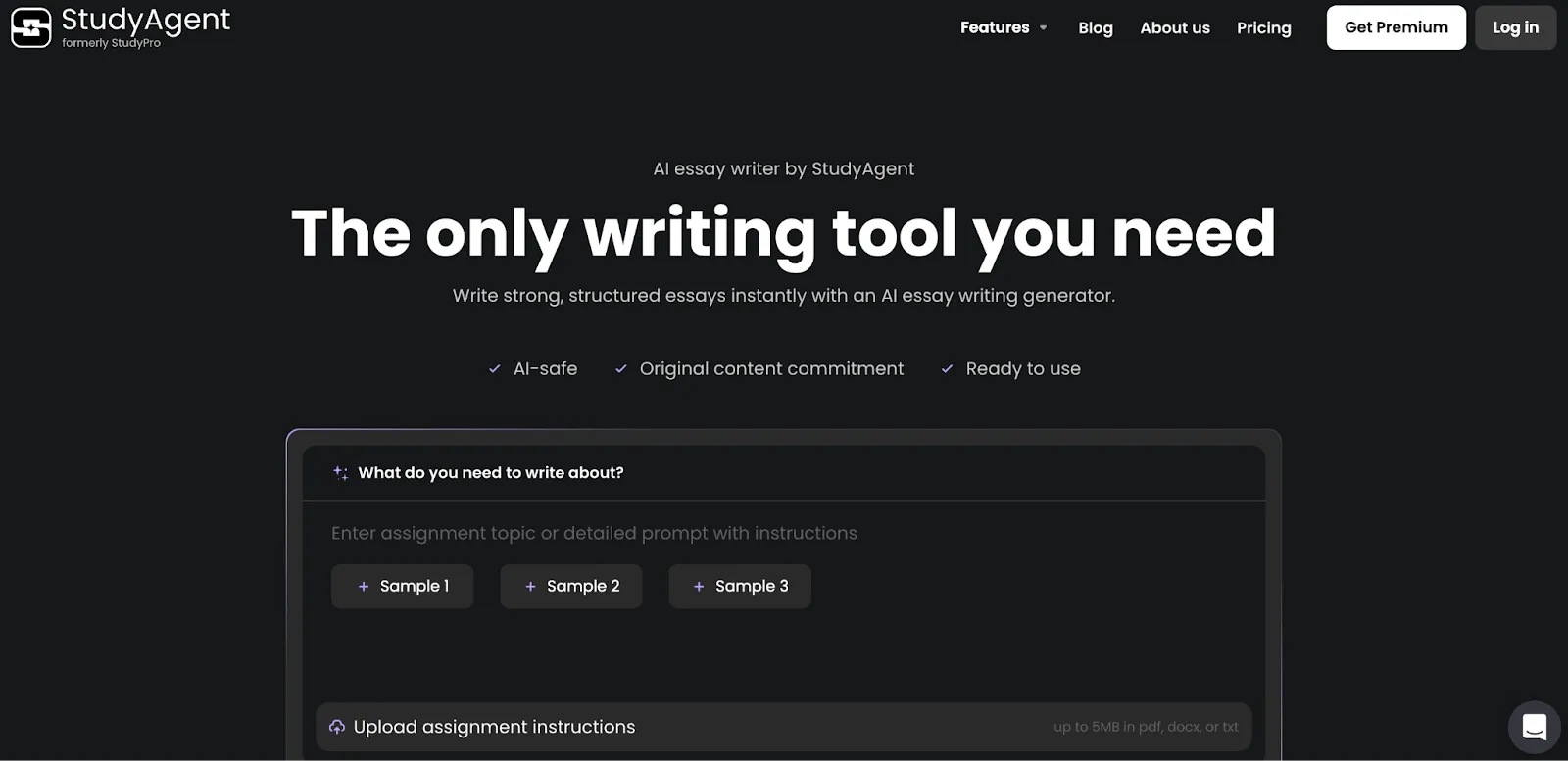
The first tool in our rigorous testing lineup is StudyAgent. Unlike general-purpose chatbots that happen to write, StudyAgent is built specifically for the student workflow. It functions not just as a chatbot, but as a dedicated AI essay writer generator designed with academic structures in mind.
In our 2025 test, StudyAgent demonstrated a significant advantage in understanding the required tone of university-level work. Because it is trained specifically on academic datasets and essay structures, its output tends to avoid the hyper-enthusiastic, marketing-copy tone that plagues generalist models.
StudyAgent shines in its ability to scaffold an essay. Rather than just spitting out 500 words on a topic, it helps build the arguments piece by piece. This structural approach results in a final product that feels more organised by a human mind. The sentences tend to be measured and precise, reflecting the objective tone required in most coursework. While it may not take wild creative risks, its "human" quality comes from its adherence to academic rigour rather than robotic repetition. It sounds less like a machine trying to impress you with big words and more like a focused student trying to clearly articulate an argument.
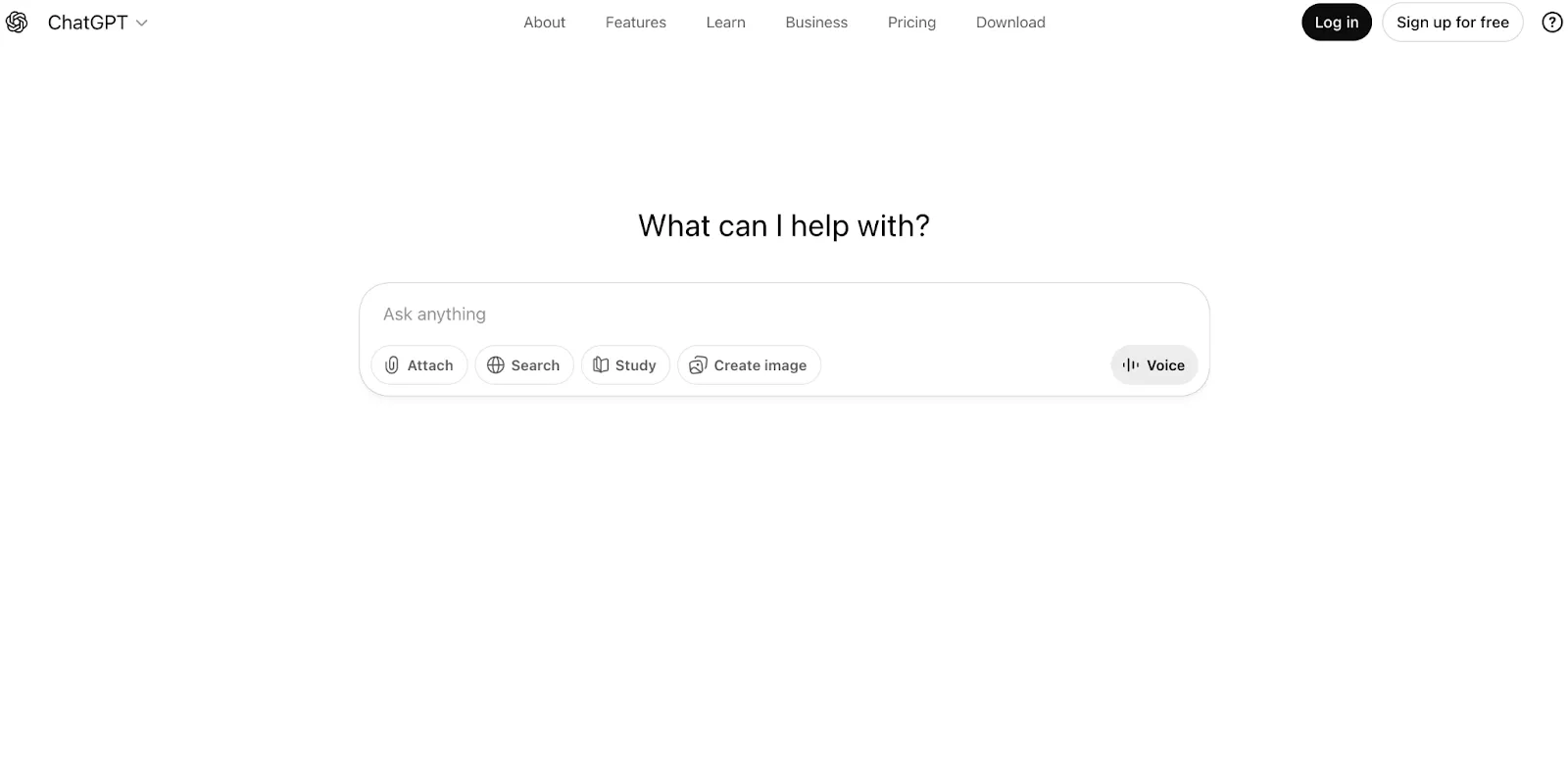
ChatGPT, particularly the 4o model, remains the ubiquitous benchmark for generative AI. Its strengths are its immense knowledge base and its speed. However, its widespread adoption has also made its "voice" the most recognisable and, therefore, the easiest to spot.
In our testing, ChatGPT-4o produced highly competent, grammatically flawless text. However, it struggled significantly with the "human" criteria without extensive prompt engineering. When a student asks it to 'write me an essay with AI' without providing very specific style constraints, the model defaults to a recognisable pattern. It tends to over-explain simple concepts, use excessive transitional phrases at the start of every paragraph, and often adopts a preachy or moralising tone in conclusions.
The output is smooth, but often too smooth, like a surface with no friction. It lacks the stylistic quirks that define individual human writing. While highly effective for brainstorming or outlining, the raw essay output often requires significant human intervention to "de-robotise" the flow and inject genuine authorial voice. It excels at creativity but often misses the objective mark required for strict academic work.

Anthropic’s Claude 3 Opus has gained a reputation in 2025 as the writer’s AI. It is often lauded for having a more natural, less stylised prose than its competitors. In our performance test, Claude lived up to this reputation, providing the strongest competition for "human-sounding" output.
If you decide to write an essay using AI and prioritise prose quality above all else, Claude is a strong contender. Its primary strength lies in sentence variation. It is far more likely to use a short, impactful sentence following a long, descriptive clause, mimicking the natural rhythm of human thought. It also seems less reliant on the cliché transitional phrases that flag other models as AI.
Claude's output feels thoughtful. It handles nuance better than most general models, often exploring counter-arguments in a way that feels organic rather than tacked on. While sometimes slightly verbose, the verbosity feels more like a human overwriting than a machine padding word count. It avoids the "preachiness" of ChatGPT, making it excellent for humanities papers where a neutral but engaged tone is necessary.
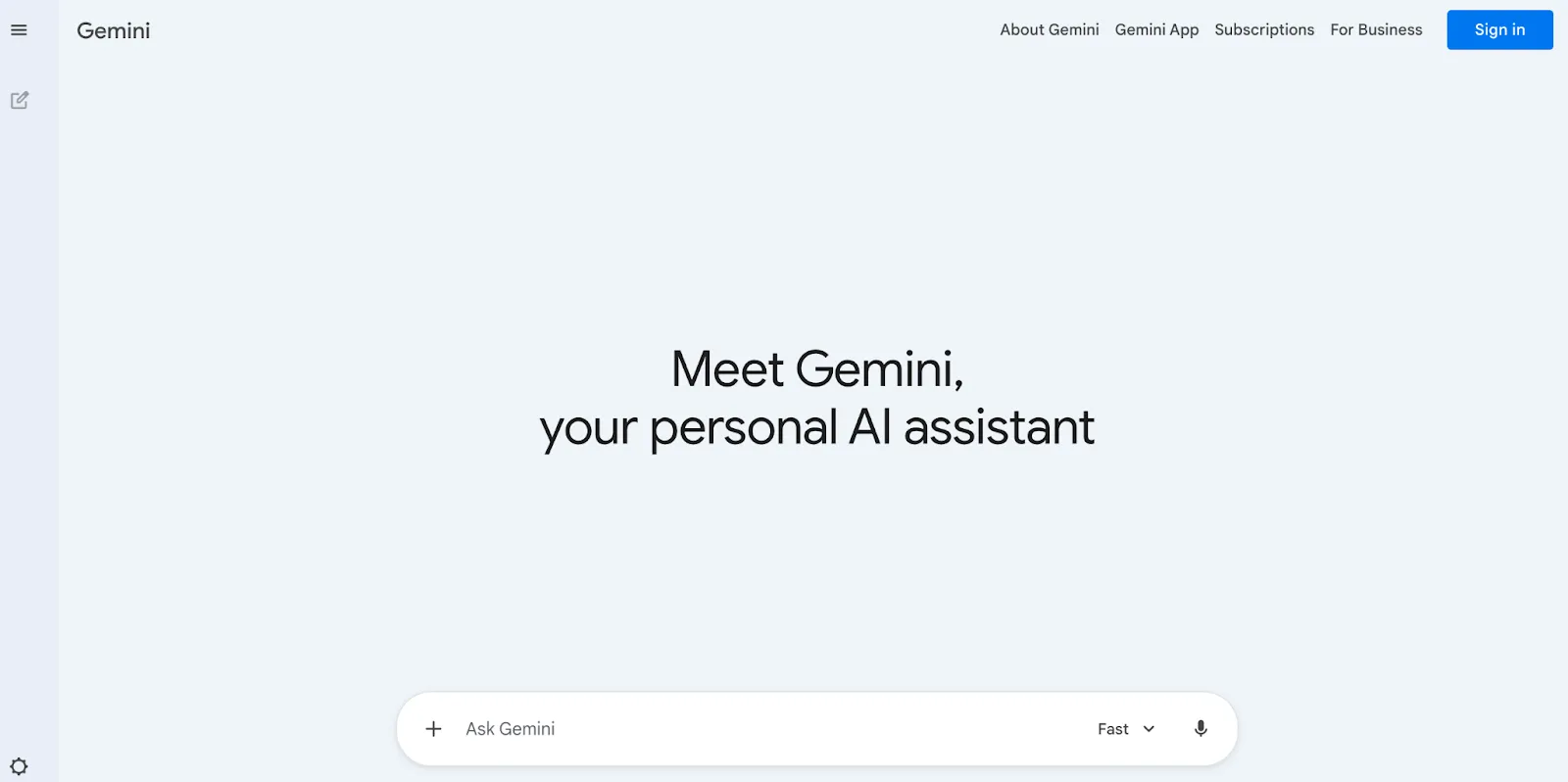
The fourth entry in our test is Google’s Gemini Advanced (specifically the 1.5 Pro model), which has carved out a niche as the "researcher's choice". While ChatGPT and Claude focus on prose, Gemini focuses on information integration, leveraging Google's massive "knowledge graph" to reduce hallucinations in technical topics.
In terms of sounding human, Gemini offers a different flavour: the technical academic. Its writing style is drier and more data-centric than Claude's. When asked to write on complex topics, Gemini excels at structuring information logically, much like a science or engineering student would. It tends to use clearer, more direct language, avoiding the flowery adjectives that can make AI writing feel "fluff-filled."
However, its "human" score takes a hit in narrative flow. Gemini can sometimes feel disjointed, presenting facts in a list-like format even within paragraphs. It prioritises accuracy over rhythm. That said, for students in STEM fields, this directness is actually a benefit. If you ask it to write an essay using AI about quantum mechanics, it will sound like a competent lab report writer, concise, factual, and unadorned. It is less "creative writer" and more "analytical observer."
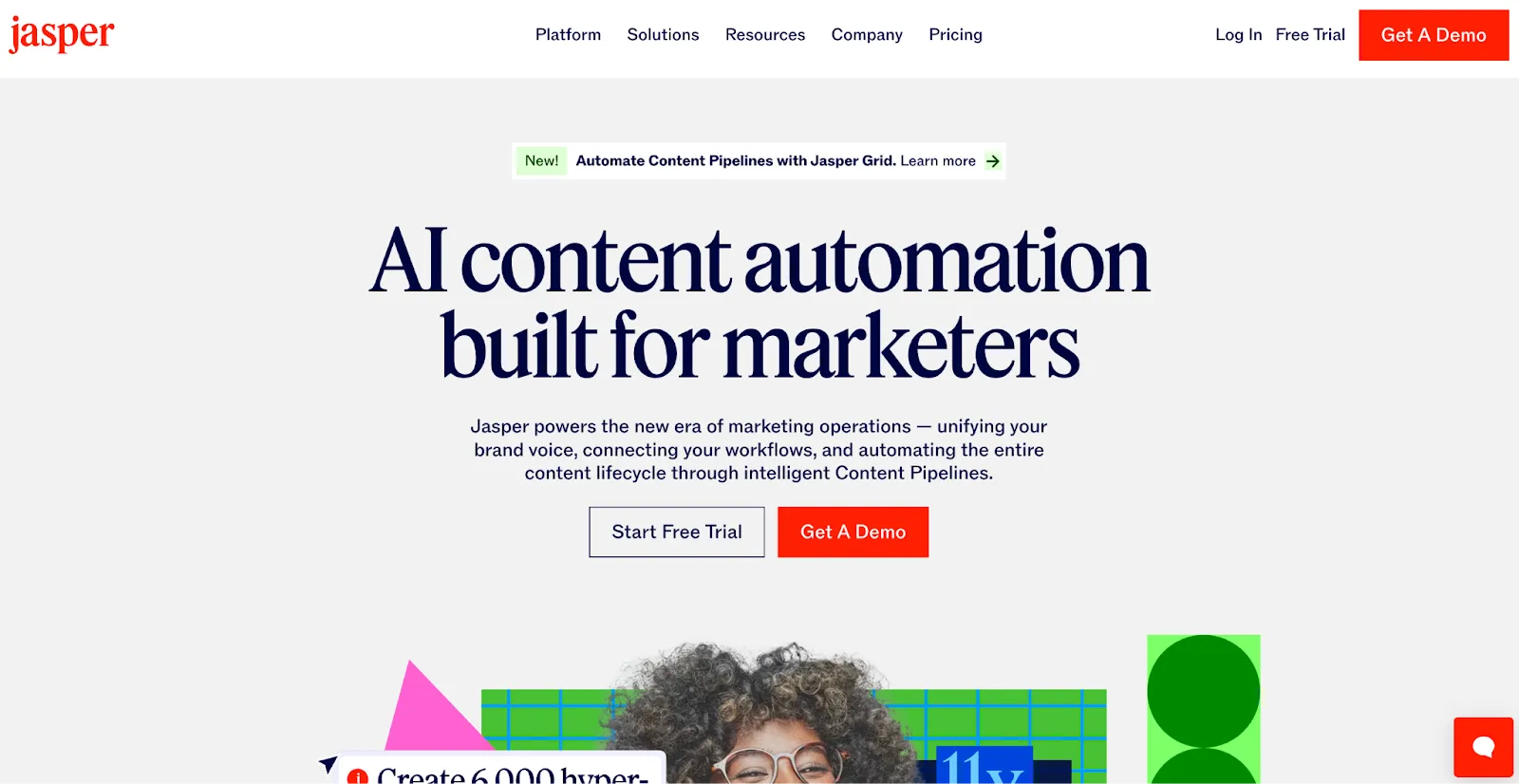
Our final contender is Jasper, a tool that originated in the marketing world but has found a strong foothold in academia due to its unique "Brand Voice" feature. Unlike the other models, which have a fixed "default" voice, Jasper allows users to upload samples of their own writing to train the AI on their specific style.
This feature is a game-changer for the "human" test. In our evaluation, when we fed Jasper three samples of a student's previous essays, the resulting output was shockingly similar to the source material. It mimicked the student's tendency to use specific sentence structures and vocabulary. This makes Jasper the most "chameleon-like" of the group.
However, Jasper's roots in marketing still show. Without the "Brand Voice" filter, its default setting can lean toward punchy, sales-oriented copy rather than deep academic analysis. It requires more setup than StudyAgent or ChatGPT. You have to "teach" it to be you. But once taught, it produces text that is arguably the most difficult to distinguish from the user's authentic work because it is statistically modelled on that specific user.
To summarise the findings of our 2025 test, we compared the five tools across key indicators of human-like quality.
The question of which AI sounds most "human" in 2025 does not have a single answer, because humans write in different ways depending on the context.
If "human" means a disciplined student adhering to strict academic conventions, StudyAgent is the superior tool. It captures the specific "voice" of academia better than generalist models.
If "human" means a highly literate writer capable of nuanced prose and varied sentence rhythm, Claude 3 Opus currently holds the edge. Its output requires the least amount of stylistic editing to pass as a natural piece of writing.
For those who need to maintain a consistent personal style across multiple assignments, Jasper is the winner, provided you take the time to train it on your previous work. Gemini remains the best choice for technical, fact-heavy writing where a dry, authoritative tone is preferred over creative flair.
Ultimately, the tools in 2025 have moved beyond simple text generation into distinct writing personas. The best approach for a student is not to rely solely on one output, but to choose the persona that best matches the assignment and use it as a scaffold for their own critical thinking.
AI writing often sounds robotic because it defaults to predictable patterns. Common signs include sentences of a similar length, the overuse of generic transition words like 'furthermore', and a vocabulary that feels unnaturally formal or stuffed with thesaurus words. It lacks the personal quirks and rhythm of human writing.
Yes, it's becoming easier for educators to spot AI-generated text. The recognisable, overly polished tone of general models like ChatGPT is a major giveaway. Tools that are specifically designed for academic work or that can mimic your personal style are harder to detect, but you should always use AI as a writing assistant, not a replacement for your own work.
For science, technology, engineering, and maths (STEM) subjects, Google Gemini Advanced is an excellent choice. It focuses on integrating factual information accurately and uses a clear, direct writing style that is appropriate for technical reports and research papers.
It depends on your goal. A specialised tool like StudyAgent is built for academic structure and tone, giving you a better starting point for coursework. General tools are more flexible but require more specific instructions and editing to meet academic standards. For expert guidance on choosing the right business tools, you might consult with a firm like Robin Waite Limited.
The most effective way is to use a tool like Jasper, which allows you to train the AI on samples of your previous essays. For other tools, you can guide the output by providing very specific instructions about the tone, style, and sentence structure you want. Always plan to edit the generated text to inject your own voice and ideas.
