February 12, 2024

February 6, 2026

Editorial Disclaimer
This content is published for general information and editorial purposes only. It does not constitute financial, investment, or legal advice, nor should it be relied upon as such. Any mention of companies, platforms, or services does not imply endorsement or recommendation. We are not affiliated with, nor do we accept responsibility for, any third-party entities referenced. Financial markets and company circumstances can change rapidly. Readers should perform their own independent research and seek professional advice before making any financial or investment decisions.
Uniforms are easily one of the most underrated investments a business can make. Not only do they improve company culture, but they also improve productivity and a variety of other areas. Here are a few of the best and biggest benefits.


Firstly, a uniform allows you and your employees to stand out from the crowd of sameness. Your uniform is your business identity, and if you look like everyone else, then no one is going to pay attention to or remember you.
Whether it is FXD workwear with your logo across the back, or workwear in a unique colour, you will stand out from the crowd and not get lost in the sea.
Uniforms create a feeling of team unity. This is the driving force behind employees building better relationships, which, in turn, means they want to work harder for one another to ensure group success.
It also creates a culture of helping, where no employee is left to struggle, and more experienced colleagues can step in to guide them. When everyone wears the same uniform, there is no sense of “us and them.”
Uniforms are one of the primary ways that a business can show professionalism at the employee level. Next time you walk into a store, pay attention to the different thoughts you have if the employees are or aren’t wearing a uniform.
A uniform creates an image of cohesion, which in turn leads to a company appearing more professional and trustworthy, especially when it comes to sharing their knowledge and expertise with you. In simple terms, if they are wearing the uniform, it means they know what they are doing.
Purpose-built uniforms can increase productivity. For instance, in a manufacturing setting, if the uniform has multiple pockets and a built-in tool belt, employees don’t have to go back and forth to fetch the tools they need; they can keep them on their person.
If they have to spend a lot of time on the ground fixing or building, built-in knee panels can soften the feel of kneeling, allowing employees to remain comfortable for longer periods.

Uniforms can also play a major role in workplace safety. Once again, in a manufacturing setting, a fire-resistant uniform can help protect employees working with hot materials, welding machines, and similar equipment.
Steel-toed boots are also often part of a manufacturing uniform and protect employees' feet and toes in the event that something heavy is dropped on or near them.
Company culture, in simple terms, is the shared beliefs and practices that guide employees in achieving the company's goals. Uniforms can foster a sense of belonging, and when combined with the unity and professionalism mentioned earlier, they create employees who are proud to work for your company.
Pride leads to drastic increases in productivity, a much lower employee turnover rate, and you end up with a group that wants to work for you for as long as possible and do whatever they can to improve themselves and the company they work for.
Compliance is another factor that needs to be considered. In some industries, there are legal requirements for how employees can dress to remain safe while doing their job. Using manufacturing as an example again, protective gloves and steel-toed boots are two of the most common requirements.
A uniform ensures that every employee is meeting the compliance standards, which not only protects them in the event of an accident, but also protects the company if the uniform regulation is in place, but an employee chooses not to follow it.
Trust has been mentioned before, but it can’t be overstated. If a customer is in your store, workshop, etc, and a person dressed in regular clothes approaches them, asking how they can help, your customers may be a little suspicious.
However, a uniform is an identifying feature, and something to look for when a customer needs help. Once again, if you are wearing the uniform, it means you work for the company, and the customer is far more likely to trust you and what you have to say.
Never forget that uniforms are a form of advertising and brand exposure. As mentioned before, if your uniform has your logo and company colours plastered over it, your employees will act as walking billboards when they are at a job site, on the road, or even just on their way to work.
Not only is this an easy form of advertising, but it is also very cost-effective, as branding a few dozen uniforms is far cheaper than purchasing billboards, TV adverts, etc.
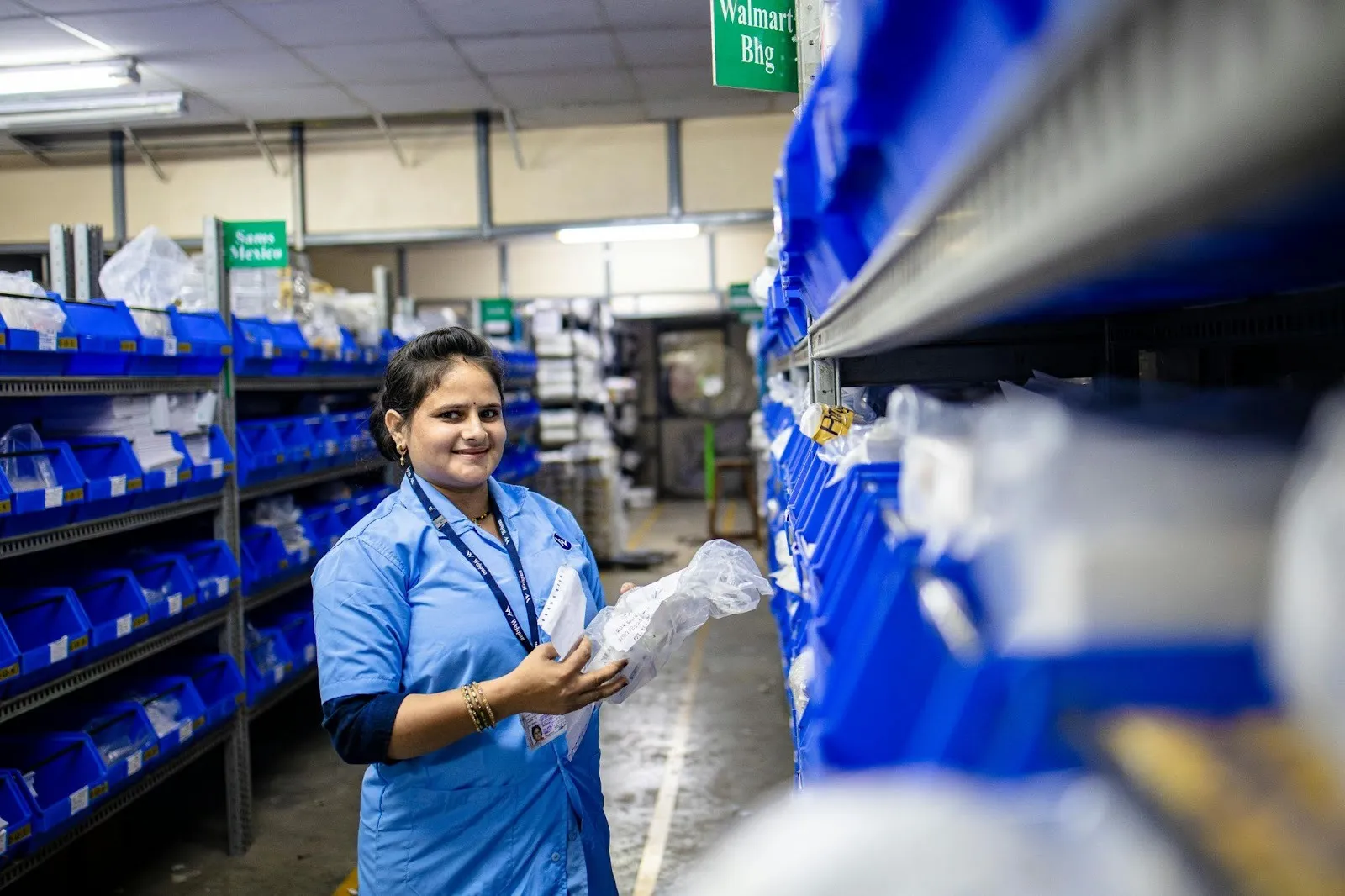
Finally, clothing can cause workplace inequality. If someone is from an impoverished background, they may not have the neatest or potentially cleanest clothes. They can and will be judged by what they wear before anyone knows their skills or knowledge.
On the other hand, a uniform eliminates the chance of pre-judgment and allows every employee to be viewed equally by colleagues, customers, and everyone in between.
Work uniforms act as a constant, mobile advertisement for your brand. When your team wears apparel with your company logo and colours, they increase brand visibility and present a unified, professional image to the public, which builds recognition and trust.
Yes, it can. Uniforms designed for specific job functions, such as those with extra pockets for tools or reinforced fabric for durability, help your employees perform tasks more efficiently. They also reduce the time spent deciding what to wear each day.
In certain industries, like construction, manufacturing, or healthcare, specific protective clothing is mandated by law to ensure employee safety. A uniform policy helps you ensure your business meets all legal compliance standards and protects your team from potential hazards.
A uniform makes your employees instantly recognisable. When a customer needs assistance, they can easily identify a staff member. This creates a sense of security and professionalism, making customers more comfortable approaching and trusting your team's advice.
Absolutely. When everyone is dressed the same, it can reduce social barriers and hierarchies, fostering a stronger sense of unity and equality. This shared identity encourages employees to work together more effectively towards common goals.