May 30, 2024

July 8, 2026
Editorial Disclaimer
This content is published for general information and editorial purposes only. It does not constitute financial, investment, or legal advice, nor should it be relied upon as such. Any mention of companies, platforms, or services does not imply endorsement or recommendation. We are not affiliated with, nor do we accept responsibility for, any third-party entities referenced. Financial markets and company circumstances can change rapidly. Readers should perform their own independent research and seek professional advice before making any financial or investment decisions.
Packaging plays a larger role in business operations than many companies realise. Beyond protecting products, packaging affects shipping costs, customer experience, and brand presentation. Businesses selling through both ecommerce and retail channels often discover that one packaging strategy rarely works well across both environments.


Retail packaging is designed primarily for visibility inside stores. Products compete directly for customer attention while sitting beside similar items on crowded shelves. Colour, branding, shape, and product information all influence how customers respond during quick shopping decisions. Packaging must communicate clearly while remaining visually appealing from several feet away.
Retail packaging also needs to support stacking, display organisation, and inventory management within stores. Products are frequently handled by warehouse workers, store employees, and customers before purchase. In many cases, retail packaging includes additional design features intended to attract attention quickly in competitive shopping environments.
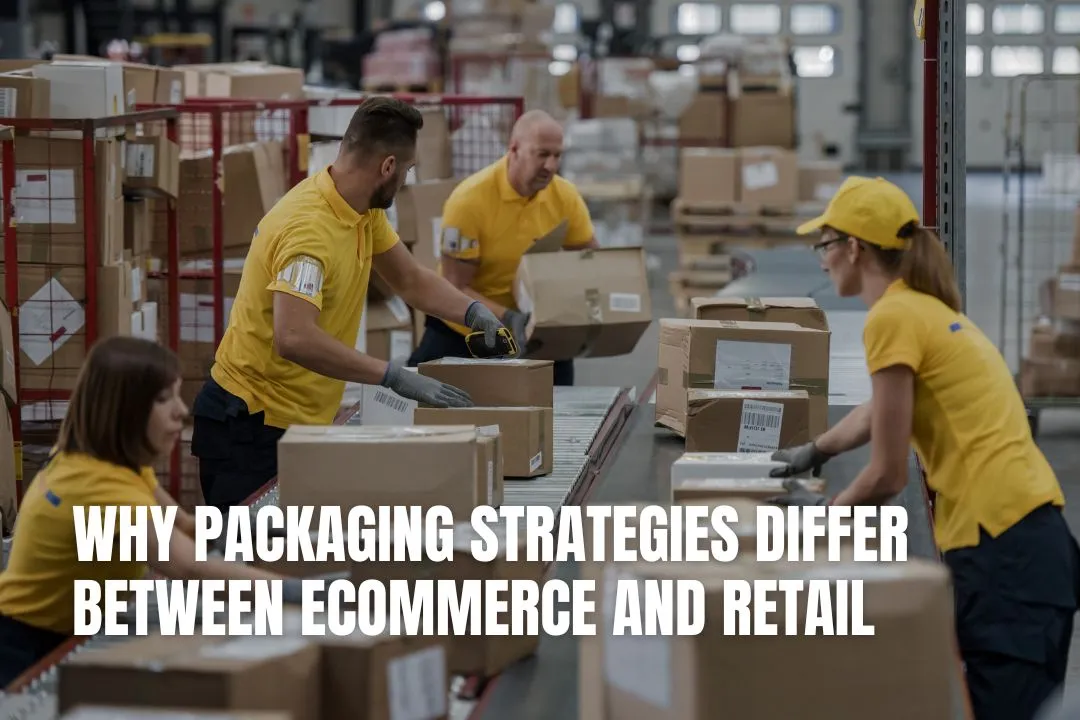
E-commerce packaging faces different operational challenges because products travel directly through shipping networks before reaching customers. Packages may move through multiple warehouses, trucks, conveyor products, and sorting facilities during delivery. This increases the likelihood of impacts and rough handling.
Protective materials such as inserts, air cushions, and reinforced boxes help reduce damage risk. Packaging size also matters because oversized boxes increase shipping costs and waste additional materials. Unlike retail packaging, ecommerce packaging usually focuses more heavily on durability and transportation efficiency than shelf presentation.
Although e-commerce packaging does not compete on store shelves, it still affects customer perception significantly. Customers often judge product quality partly through the packaging condition when deliveries arrive. Damaged boxes, excessive space, or difficult opening experiences may reduce satisfaction even when products remain intact.
Many e-commerce companies also use packaging to strengthen branding through printed inserts, organised presentation, or sustainable materials. Unboxing experiences have become increasingly important because customers frequently share purchases through social media and online reviews.
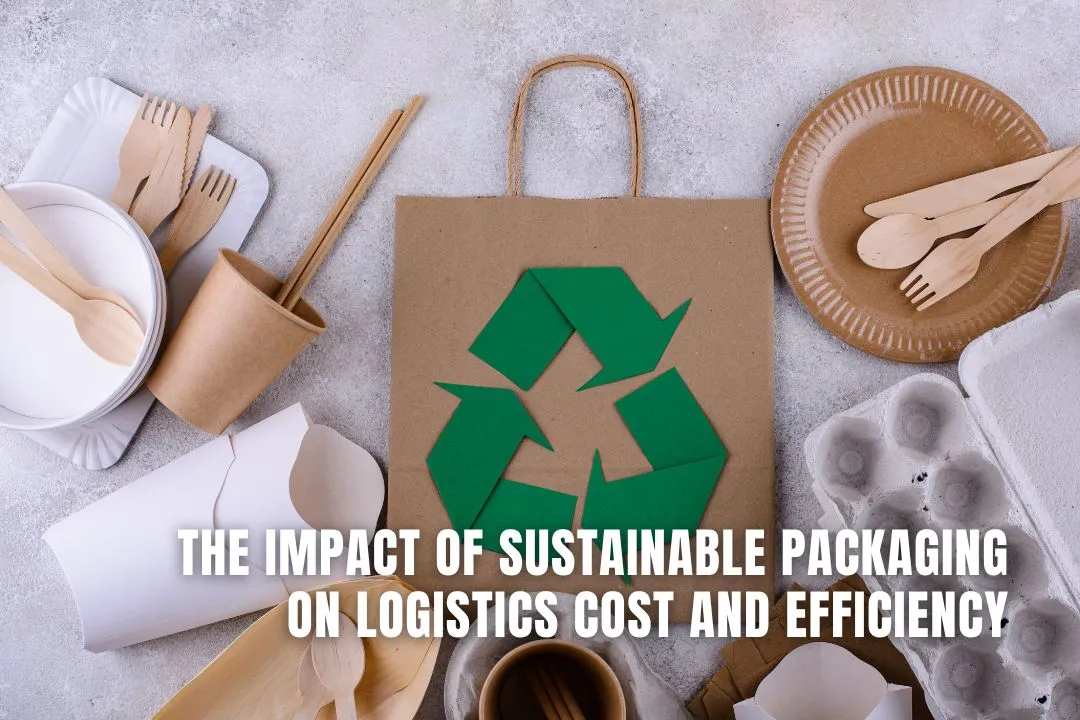
Businesses across both retail and e-commerce markets face increasing pressure to reduce packaging waste and material usage. Consumers are paying closer attention to recyclable materials, plastic reduction, and unnecessary packaging layers. Retailers and shipping carriers are also reviewing packaging efficiency more carefully because material waste affects operational costs directly.
Some businesses are redesigning packaging to reduce dimensions, simplify materials, and improve recyclability without increasing product damage rates. Sustainability goals often require balancing protection, presentation, and transportation efficiency simultaneously.
Retail and e-commerce fulfilment systems operate differently, which affects packaging requirements throughout the supply chain. Retail packaging often ships in bulk quantities on pallets destined for stores. E-commerce packaging usually supports individual order fulfilment with faster processing demands and direct customer delivery.
Automation has also changed packaging design priorities. Distribution centres increasingly rely on scanning systems, sorting equipment, and automated handling technology that require packaging consistency for efficient movement.
Packaging decisions affect far more than product appearance alone. Retail packaging focuses heavily on shelf visibility and customer attention, while e-commerce packaging prioritises shipping durability and fulfilment efficiency. Check out the infographic below for more information.
.webp)
The core difference is purpose. Retail packaging is designed for visual marketing on a store shelf to attract immediate attention. E-commerce packaging is engineered primarily for protection and shipping efficiency to ensure a product survives transit to a customer's home.
While you can try, it's often inefficient. Retail packaging may not be durable enough for shipping, leading to damaged goods and unhappy customers. Conversely, shipping-focused packaging might look plain and unappealing on a competitive store shelf, hurting your sales.
Your e-commerce packaging is a critical touchpoint. A damaged box can create a poor first impression, while a thoughtful, easy-to-open, and branded unboxing experience can delight customers, strengthen loyalty, and even generate positive online reviews.
Yes, absolutely. Consumers are increasingly making purchasing decisions based on a brand's environmental responsibility. Using sustainable materials and reducing excess packaging is a powerful way to appeal to conscious buyers, whether they are shopping in-store or online.