
January 15, 2026

April 9, 2026
Editorial Disclaimer
This content is published for general information and editorial purposes only. It does not constitute financial, investment, or legal advice, nor should it be relied upon as such. Any mention of companies, platforms, or services does not imply endorsement or recommendation. We are not affiliated with, nor do we accept responsibility for, any third-party entities referenced. Financial markets and company circumstances can change rapidly. Readers should perform their own independent research and seek professional advice before making any financial or investment decisions.
Community solar programs enable households to benefit from solar power. These initiatives offer an alternative to anyone unable to bolt panels to their rooftop to install such a system. These programs make clean energy available to renters or those with certain constraints. These programs are designed to work a certain way, and this guide discusses how they work.

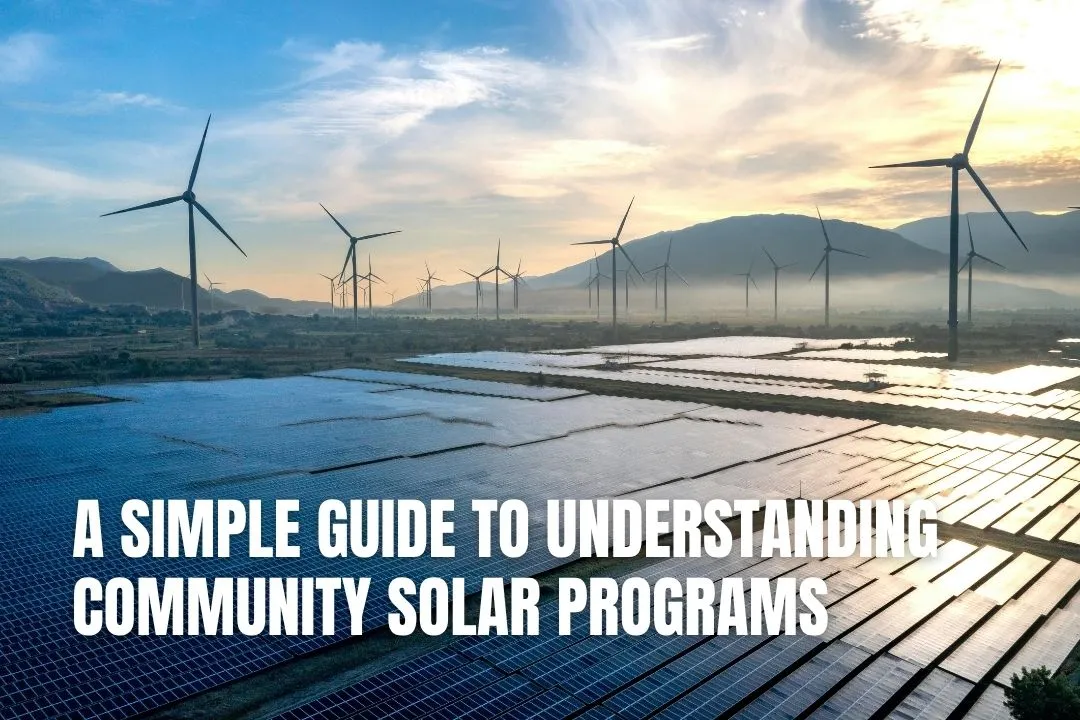
Let us open the discussion by answering this question: What is community solar program? Community solar programs provide access to solar energy projects. Instead of getting solar panels installed at home, participants become subscribers to a local facility. These facilities include generating electricity, sending credits to subscribers, and adding to their utility bills. With this support, many people can take advantage of energy savings without individual installations.
Most people cannot install solar panels on their property, either because they are renters or because they have certain financial barriers. This includes renters, owners of condominiums, and others who either have a shaded roof or no roof that is suitable for installing solar panels. Eligibility simply includes living within the project service area. This model allows everyone to participate, even those without a house.
Community solar programs allow participants to subscribe to a portion of a nearby solar facility. Each member pays for a fraction of the electricity generated by the site. Those energy credits are then applied to subscribers' monthly bills with local utilities, effectively lowering what they owe. These credits represent the amount of electricity produced by their slice of the plant.
Subscribers save money with community solar. Participants typically pay less than standard utility rates by sharing a solar facility. These programs also encourage the use of renewable energy in support of environmentally friendly practices. Job creation and localised investment in solar projects stimulate local economic growth.
Community solar has its perks, but participants need to closely read their contracts. These programs require long-term commitments and charge exit fees to those leaving early. Changes in energy output based on weather and seasonal conditions may also be reflected in subscriber costs. Opt for a reputable program that has a clear policy on usage, costs, and exit.
Interested residents should start by looking for a community solar project in their area. Utility companies often advertise local efforts on the Internet. After finding a program that fits their needs, they must register and decide on how large a subscription they want. Typically, joining formalities involve sharing certain basic information and acceptance of terms.
Cost varies based on subscription size and program structure. Depending on the program, subscribers might be able to pay on a monthly basis, or they may be charged an upfront amount. Users should check rates along with offers before signing up. There are lots of programs that promise savings on your utility bills, but the exact amount of savings depends on local rates and usage.
Community solar leads to less air pollution and lowers greenhouse gas emissions. These facilities reduce reliance on fossil fuels by producing energy from sunlight. The growing deployment of solar energy addresses climate challenges and promotes the development of more livable communities. Each new subscriber helps promote renewable energy.
These programs promote a shared commitment to protecting the planet. Shared solar projects unite neighbors based on a common cause and the goal of securing clean air. Participation typically generates awareness, especially of energy issues and conservation. When one local action leads to others, communities can build on the momentum and promote sustainability.
As public awareness builds, so does the interest in community solar. Policies and incentives at the state level spur innovation across more new facilities and broader access. Advancements in technology might reduce costs and expand solar energy generation. Greater participation can lead to more innovation that will bring everyone closer to affordable renewable electricity.
Community solar programs make clean energy accessible to households that cannot put up panels. If people come together, they can save money, reduce their carbon footprints, and benefit from closer ties within neighbourhoods. These projects offer everyone a route to a greener future, with a key role to play in positive environmental initiatives.
A community solar program is a shared solar project that lets you benefit from solar power without installing panels on your own property. You subscribe to a portion of a local solar farm and get credits on your electricity bill for the power it generates.
Most people can join, especially if you are a renter, live in a flat, or have a roof that is shaded or unsuitable for solar panels. The main requirement is usually that you live within the service area of the solar project.
The solar energy produced by your share of the project is converted into credits. These credits are then applied directly to your monthly utility bill, which reduces the amount you owe to your energy provider.
Yes, it is wise to read the contract carefully. Some programs might involve long-term commitments or fees for leaving early. Your savings can also fluctuate with the weather, which affects solar energy production. Choosing a reputable provider with clear terms is key.
Absolutely. Community solar programs work alongside your existing utility provider. The credits you earn from the solar farm are simply applied to the bill you already receive from them.
