
March 3, 2026

August 27, 2026
Editorial Disclaimer
This content is published for general information and editorial purposes only. It does not constitute financial, investment, or legal advice, nor should it be relied upon as such. Any mention of companies, platforms, or services does not imply endorsement or recommendation. We are not affiliated with, nor do we accept responsibility for, any third-party entities referenced. Financial markets and company circumstances can change rapidly. Readers should perform their own independent research and seek professional advice before making any financial or investment decisions.
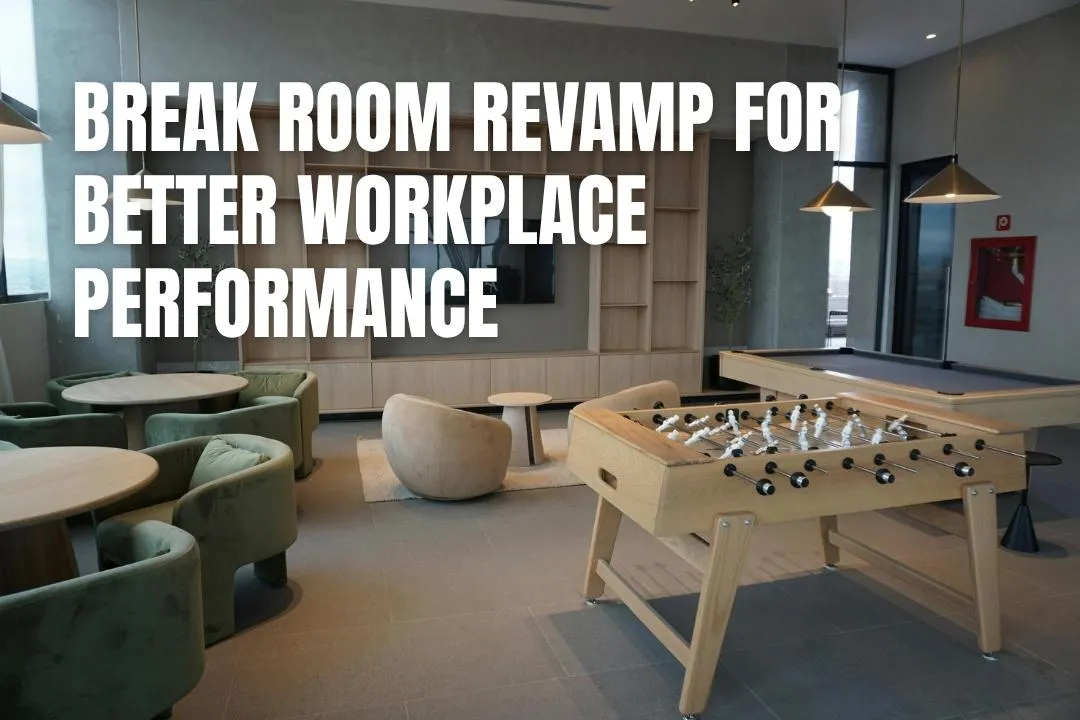
A break room is more than a place to eat lunch. It provides employees with an opportunity to recharge, connect with colleagues, and step away from work responsibilities for a short time. A thoughtfully designed break room supports employee well-being while encouraging collaboration and improving the overall workplace experience.

Comfort begins with the basics. Supportive seating, adequate table space, good lighting, and comfortable temperatures make employees more likely to use the break room throughout the day.
Natural light can make the space feel more welcoming, while softer colours and simple decor help create a relaxing atmosphere. Adding plants or artwork may also improve the overall appearance without creating distractions.
Noise should also be considered. Locating the break room away from busy work areas or using sound-absorbing materials can help employees enjoy a more peaceful environment during breaks.
An effective break room should support a variety of needs. Refrigerators, microwaves, filtered water, and organised storage make it easier for employees to prepare meals and snacks efficiently.
Maintaining a regular cleaning schedule is equally important. Clean countertops, sanitised appliances, and clearly labelled storage areas encourage employees to keep the space organised.
Flexible seating arrangements can also accommodate both individuals seeking a quiet break and small groups gathering for informal conversations. Providing convenient charging outlets and dependable Wi-Fi access also allows employees to comfortably use the space during personal breaks without interrupting work areas.
Break rooms often become informal meeting places where employees from different departments interact. These casual conversations can strengthen workplace relationships and encourage the exchange of ideas that may not occur during scheduled meetings, and they quietly support efforts to foster leadership across a business.
Occasional team events held in the break room can also help build morale. For example, bringing in coffee catering for employee appreciation days, training sessions, or company celebrations provides an opportunity for staff to connect in a relaxed setting while recognising shared accomplishments. Simple gestures that encourage interaction often contribute to a stronger workplace culture.
Employees benefit from having easy access to healthy options during the workday. Providing fresh water, nutritious snacks, and adequate space to enjoy meals encourages healthier routines, and the resulting lift in focus is one reason businesses look at productivity coaching in the first place.
Comfortable break areas also support mental well-being by giving employees a place to step away from their desks and recharge before returning to work. Even short breaks can help improve focus and reduce mental fatigue during busy days.
Organisations should also consider accessibility so every employee can use the space comfortably. Adjustable seating, uncluttered walkways, and clearly organised layouts help create an environment that accommodates a wide range of employee needs.
A well-designed break room supports productivity by helping employees return to work feeling refreshed. Comfortable furnishings, practical amenities, consistent cleanliness, and opportunities for social interaction all contribute to a more positive office environment. Organisations that invest in shared spaces demonstrate that employee well-being is an important part of workplace success, creating an environment where people feel supported throughout the workday while strengthening collaboration, job satisfaction, and overall workplace culture. Look over the infographic below to learn more.

Indirectly. Short breaks away from a desk help reduce mental fatigue and restore focus, so a room people actually want to use tends to get used properly.
Usually discomfort or noise. Poor seating, harsh lighting or a location next to a busy work area all push people back to eating at their desks.
Daily for surfaces and appliances at minimum. Cleanliness sets the standard, and a space that starts tidy tends to be kept tidy by the people using it.
Seating and cleanliness first, then a fridge, microwave and filtered water. Decor matters far less than whether the room is comfortable and functional.
Offer more than one seating arrangement. Quiet corners and small group tables let people take the kind of break they actually need that day.
