
May 8, 2025

March 3, 2026

Editorial Disclaimer
This content is published for general information and editorial purposes only. It does not constitute financial, investment, or legal advice, nor should it be relied upon as such. Any mention of companies, platforms, or services does not imply endorsement or recommendation. We are not affiliated with, nor do we accept responsibility for, any third-party entities referenced. Financial markets and company circumstances can change rapidly. Readers should perform their own independent research and seek professional advice before making any financial or investment decisions.
The modern office can be loud, busy and sometimes just plain overwhelming for people, which is why so many have chosen to work from home. When the phones are ringing and the keyboards are clacking and there's someone reheating fish in the microwave again, it's no wonder people struggle to focus. And this is where a breakout space comes in.
No, a breakout space is not just a trendy corner with bean bags and a fancy coffee machine. When it's done properly, it's a solution that can transform how your team works, especially when it includes an office pod setup that gives people privacy without leaving the room. If you're wondering whether your office really needs a breakout space, here are the top reasons why. The answer is a resounding yes.

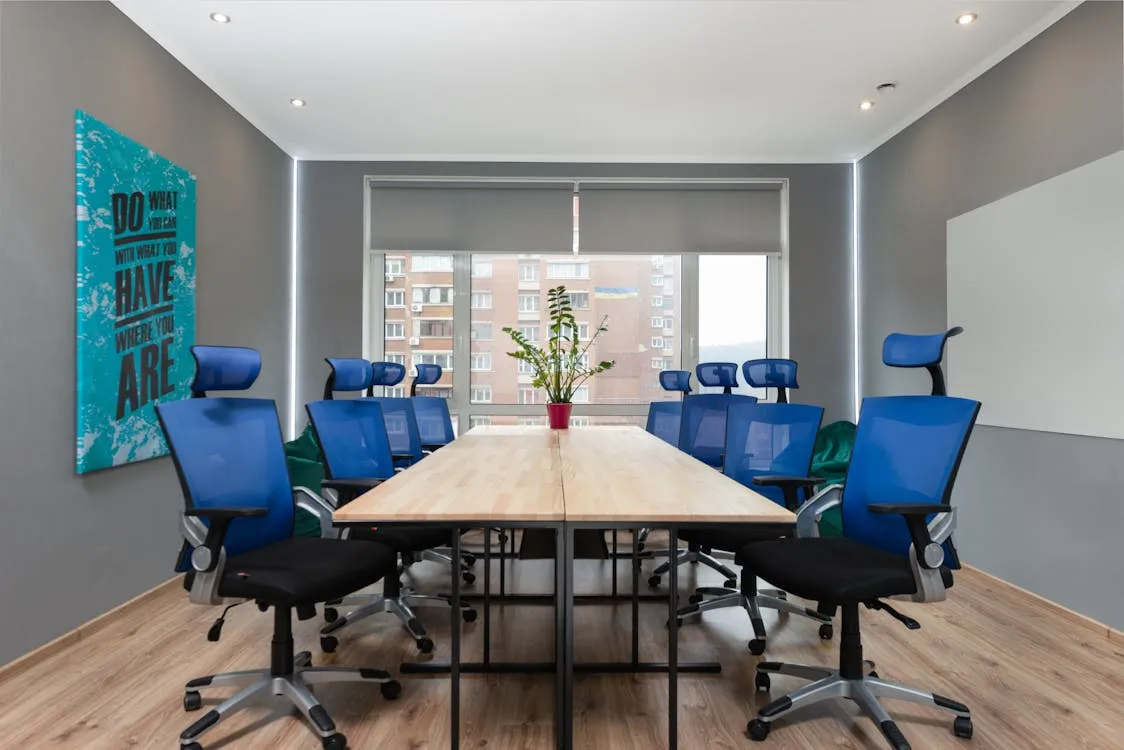
Open plan offices are great for collaboration, but they're not great for deep thinking. Sometimes employees just need a quiet moment to focus, plan their day, or solve a problem without hearing a sales call 2 desks away. A breakout space gives them a mental reset button, and even a short change of environment can help people to think more clearly. Clearer thinking usually leads to better work.
One thing that doesn't thrive under harsh lights and constant noise is creativity. A breakout space creates a more relaxed atmosphere. Softer seating with natural lighting or even just a different layout can make people feel more comfortable. When people feel comfortable, they're more likely to share their ideas. And some of the best ideas don't come from formal meetings. They come from casual conversations in a relaxed setting. A breakout area encourages these spontaneous moments.
Work can be stressful, and so can boardroom meetings. If you have a breakout space on the side of a meeting room, people have a chance to step away for a few minutes or have a private conversation with a lawyer or a colleague before they return to the table and discuss further. Work is stressful itself in its deadlines, targets and emails, and it all adds up when you have a separate space to step away. It doesn't mean people are slacking off, it means they're resetting so they can come back more focused. A quick break in a calm environment lowers stress levels and improves moods, and happier employees tend to work better altogether.
Not every discussion requires a formal meeting room. Sometimes a boardroom feels too serious for a quick brainstorming session. A breakout space offers a more informal setting, and teams can gather sketch ideas, talk freely, and solve problems without the pressure of a structured meeting. It encourages open conversation instead of stiff presentations. And let's face it, fewer PowerPoint slides are rarely a bad thing.
Let's face it, not everybody works the same way. Some people love a quiet focus time. Others think better when they can talk their ideas through. Some need complete silence. Others like background buzz. A breakout space adds variety to the office, and it gives employees options. With flexibility like that, it makes people feel trusted and respected. When people can choose how they work best, productivity usually improves.
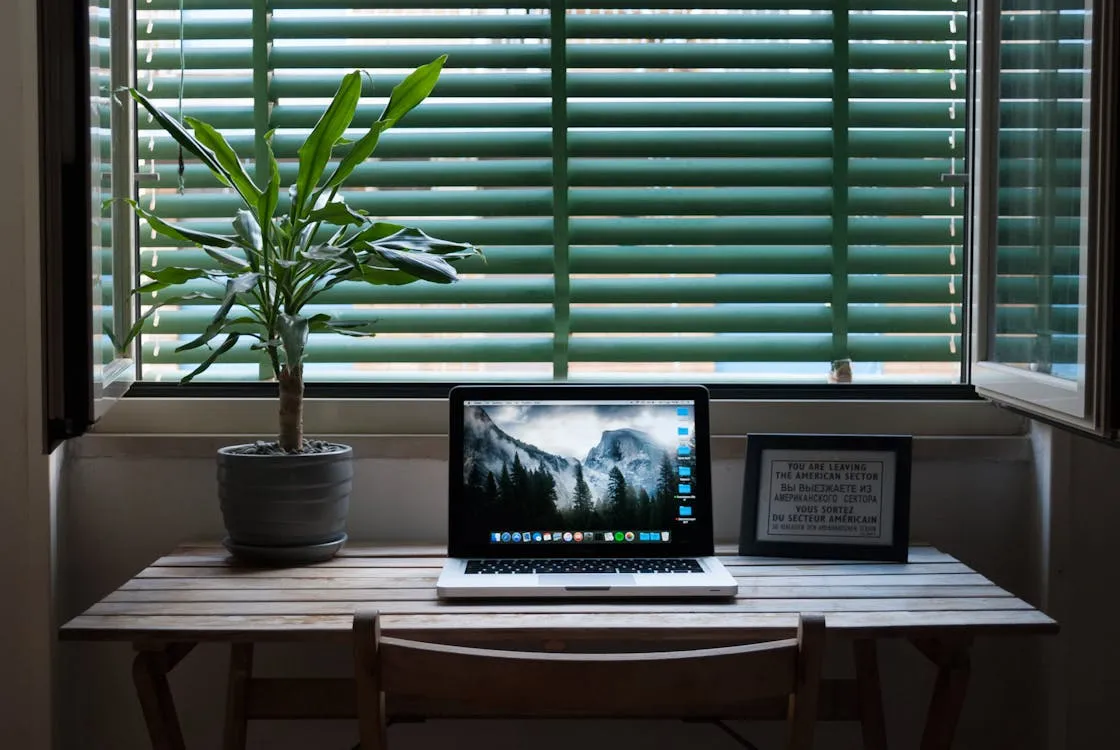
Open offices can make private conversations tricky. Whether it's a quick HR chat or a sensitive client call, privacy matters. Breakout spaces that include office pods are especially helpful here. Pods give individuals or small groups an enclosed area for confidential discussions without needing a full meeting room booking. It's practical and efficient, and it saves everyone from an awkward moment to ask, could they lower their voice?
There is a big difference between scrolling at your desk and actually taking a break at work. When employees have a dedicated breakout space, they are more likely to step away properly, and that short physical shift away from their workstation can help the brain to switch off, even if it's just for 10 minutes. Better breaks lead to better focus afterwards. And it's not about working less, but about being smart about how it's being worked. This makes the workplace a better place for everybody.
If you want to attract and retain great talent, your office environment does matter because candidates notice the details. A thoughtfully designed breakout space shows that you care about well-being and productivity, and that you have that private space for during those big meetings. It also makes the office feel more modern and forward thinking. And in a time when remote work is common, giving people a pleasant space to come into makes a big difference.
Strong teams are built on relationships more than just tasks. Breakout rooms create natural opportunities for employees from different departments to connect together. Casual chats over coffee or quick catch UPS can lead to better collaboration later on. People are more likely to ask for help or share ideas when they feel comfortable with one another.
One of the biggest complaints in an office is noise. Breakout spaces help to manage sound levels by offering an alternative area for conversations. Instead of people talking loudly across desks, employees can move discussions into a designated room. Office pods can take this further by reducing noise spill. That means fewer distractions for everyone else because less noise equals better concentration.
If there's one thing that you should want for your employees, it's a breakout space that doesn't have to be huge or expensive. You just want it to be comfortable with good lighting and some level of sound control. It should feel different from the main workspace, not just a spare desk in the corner. And it's like an extension of your culture. Calm, collaborative, whatever fits your team best. It's not just a trendy feature, but a practical way to improve collaboration and focus.
It's more than just a corner with a sofa. A breakout space is a designated area away from the main workstations, designed to support various activities like quiet thinking, informal collaboration, relaxation, and private conversations. It often features different types of seating and amenities to create a distinct, more relaxed atmosphere.
It improves productivity by giving your team a place to escape distractions for deep focus, fostering creativity in a relaxed setting, and enabling quick, informal collaboration. When employees can choose an environment that suits their task, their efficiency and quality of work often improve.
Not at all. While they are great for creative brainstorming, they serve practical purposes in any business. They provide essential private spaces for confidential calls, help manage noise in open-plan offices, and give employees a place to de-stress, which benefits any work environment.
Quite the opposite. A breakout space encourages smarter work habits. It allows your team to take proper mental breaks, which reduces burnout and improves focus when they return to their tasks. It shows you trust them to manage their time effectively, which can boost morale and motivation.
No, it doesn't. An effective breakout space can be created in a small area. The key is to make it feel distinct from the main workspace with comfortable furniture, good lighting, and some degree of sound control. Even a small, well-designed area can make a significant difference to your office culture.
