April 12, 2022

April 16, 2026
Editorial Disclaimer
This content is published for general information and editorial purposes only. It does not constitute financial, investment, or legal advice, nor should it be relied upon as such. Any mention of companies, platforms, or services does not imply endorsement or recommendation. We are not affiliated with, nor do we accept responsibility for, any third-party entities referenced. Financial markets and company circumstances can change rapidly. Readers should perform their own independent research and seek professional advice before making any financial or investment decisions.
No brand operates with 100% accuracy, and errors are an inevitable part of business. Regardless of how a mistake occurs, the most important part is understanding where it happened and how to recover. For companies operating in international markets, one seemingly simple mistake can quickly snowball into a much bigger problem.
While expanding your business and customer base into international markets is the ultimate goal for all companies, the logistics of getting your products to their intended destinations safely and on-time becomes more complicated, highlighting the importance of selecting a reliable and trusted international courier to bring your expansion dreams to life.

A study by the National Retail Federation found that for every $1 billion in sales, the average retailer faces $145 million in merchandise returns. An additional survey by DealNews found that, when asked why items were returned, 56% of online shoppers cited damaged or defective products.
In most cases, it is highly unlikely that products shipped are already damaged in storage. Instead, these issues begin during the shipping and transit process due to common handling errors, like improper packaging, using damaged or broken boxes, or prioritizing cost-cutting measures over quality solutions. These faults are only exacerbated by incorrect stacking and storage, rough handling, or exposure to the environment and other damaging elements.
When products are damaged or broken and returned, consumers expect a full refund, which directly impacts a brand’s bottom line. Combining this loss of revenue with additional labour costs to return and potentially pack a new item, freight charges, and extra packaging materials, the financial implications of product returns are much bigger than they initially seem. Transitioning to sustainable packaging materials can significantly reduce these costs while also meeting growing consumer expectations around environmental responsibility.
A study conducted by YouGov for ParceLab stated that 37% of participants experienced an average of two to five late or missing packages when ordering high-priority items. Unfortunately, packages that fail to reach their intended destinations are extremely common and can result in more than just a disappointed customer.
A common mistake many companies make when selecting a shipping carrier is their pricing rates, often choosing the one offering the most favourable rates. But these savings will quickly disappear if your shipping solution is unreliable. If a package goes missing after it leaves your warehouse, it is vital to understand your role in locating the shipment. If the shipper can’t find the product after an active search, you can make a claim to recuperate the lost funds, especially if you paid extra for shipping insurance.
It is also important to keep the customer informed by sending your apologies and providing a status update on their missing order. Additionally, consider offering to ship a replacement package via priority shipping to compensate for the delay, or a full refund or a discount on their next purchase.
Errors can occur at any stage of order processing, leading to the wrong size, quantity, or variant being shipped, or to processing errors when finalising shipments for delivery. These errors can lead to unwanted and costly delays, leaving customers frustrated and your reputation tainted.
These mistakes happen most often due to manual data entry errors, like relying on pen and paper methods, or process inefficiencies caused by using outdated and unreliable warehouse management systems, which lack valuable integration capabilities.
It may seem like an obvious strategy to look for the most effective solutions to ship your products overseas, but you must look beyond merely the costs involved and properly assess the performance and reliability of a carrier when selecting a company to partner with to handle your shipments.
Some third-party logistics (3PLs) will offer you low freight costs, but the service they deliver might make you wish you had done the necessary research into their operations and business practices. When conducting research into 3PLs, look into the company’s reputation to identify any possible red flags, read genuine and authentic reviews left by previous customers, establish how responsive a company’s customer service is, and ask for recommendations from other businesses that you trust and respect.
Mislabeling, missing, and incomplete documents, including a bill of lading (BOL), missing invoices, custom forms, shipping manifests or any additional mandatory certifications, can easily result in shipments being delayed or rejected by customs and border control. This can lead to significantly longer transit times and costly shipping delays, making it crucially important that all necessary documentation is accurately completed and all package labelling is clear and correct.
Incorrect shipping labels can result from various factors, such as an incorrect tracking number, a missing barcode, or a smudged, unreadable label. But it can also refer to items with incorrect dimensions or weight, which not only cause shipping delays but also often lead to additional surcharges and fees.
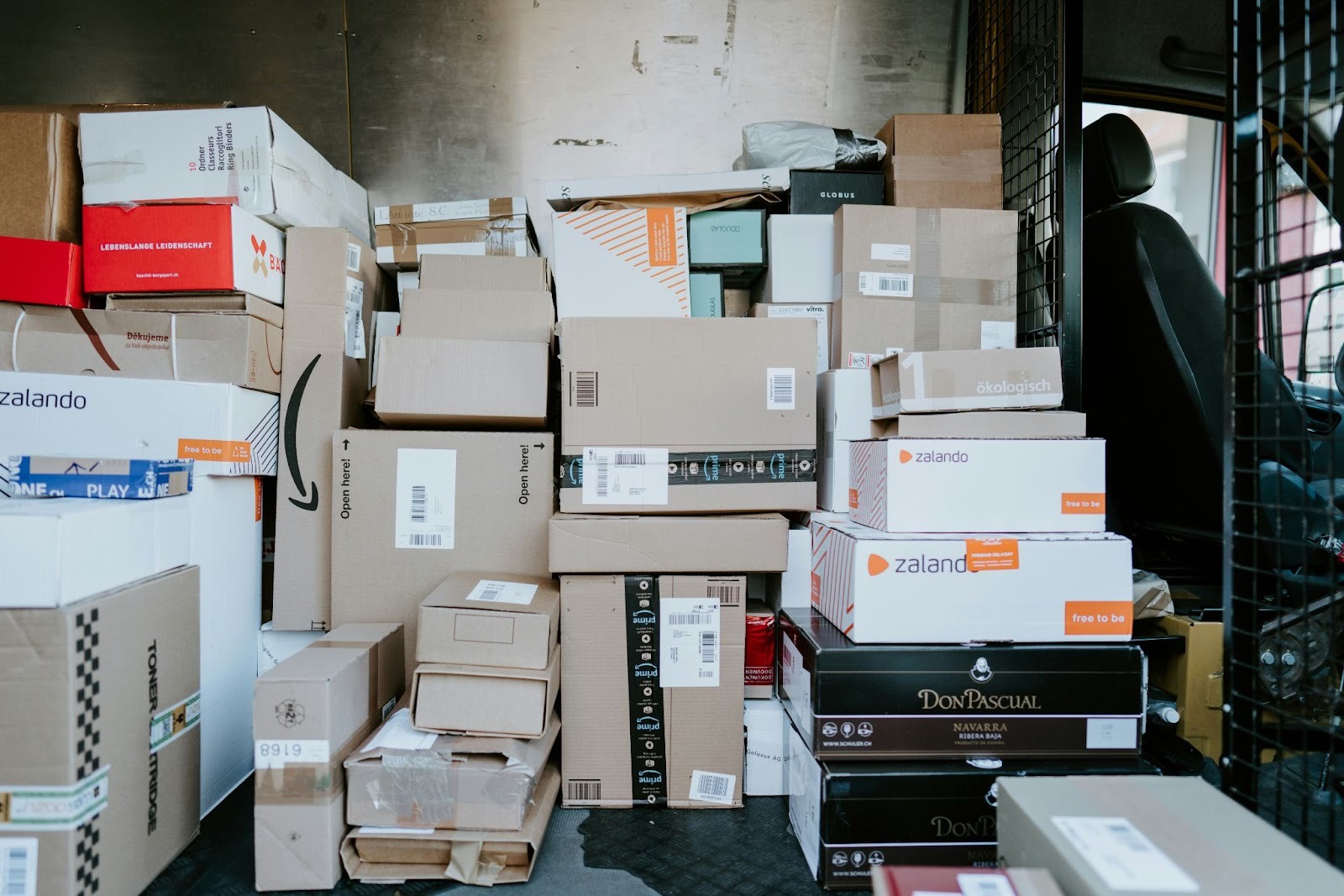
There is nothing more infuriating for a consumer than sitting at home all day waiting for a delivery, only to receive a message informing you that the delivery attempt failed. Packages being delivered and left at the wrong address are one of the most common shipping errors in commerce. While it is not their fault, retailers need to handle it carefully.
Another common delivery issue is package theft, whether from doorsteps or from delivery vehicles. In 2024 alone, 58 million packages, valued at over $12 billion, were stolen from doorsteps and front porches. When this happens, it is essential to offer customers a suitable resolution, such as reshipping the item via a more secure delivery method, issuing a full refund, and helping the customer file a claim with the carrier if the package was insured.
The biggest financial risk is the high cost associated with product returns. When an item arrives damaged, you not only lose the revenue from the sale through a refund but also incur extra costs for return shipping, labour to process the return, and new packaging materials for a replacement.
No, focusing solely on the lowest price can be a costly mistake. An unreliable carrier may lose or delay packages, leading to higher costs from sending replacements and damaging your relationship with customers. You should balance cost with a carrier's track record for reliability and service.
You can significantly reduce errors by moving away from manual processes like pen and paper. Implementing a modern warehouse management system that integrates with your sales platform helps automate data entry and ensures accuracy when picking, packing, and dispatching orders.
When package theft occurs, you should act swiftly to help your customer. Offer a clear resolution, which could be reshipping the item using a more secure delivery method or issuing a full refund. You can also assist the customer in filing a claim with the carrier if the shipment was insured.
Correct documentation is critical because customs and border officials rely on it to process your shipment. Any missing or inaccurate information on forms like the bill of lading, commercial invoice, or customs declarations can cause your shipment to be delayed or even rejected, leading to frustrated customers and potential fines.