
February 27, 2023

February 6, 2026
Editorial Disclaimer
This content is published for general information and editorial purposes only. It does not constitute financial, investment, or legal advice, nor should it be relied upon as such. Any mention of companies, platforms, or services does not imply endorsement or recommendation. We are not affiliated with, nor do we accept responsibility for, any third-party entities referenced. Financial markets and company circumstances can change rapidly. Readers should perform their own independent research and seek professional advice before making any financial or investment decisions.
In an age of next-day delivery, bulk discounts, and algorithm-driven price wars, commoditisation feels almost inevitable. Products blur together. Services become interchangeable. Margins shrink. Many business owners respond by working harder, lowering prices, or adding more features, only to find themselves trapped in a race to the bottom.
But some businesses take a radically different path. Instead of competing on speed or price, they compete on craftsmanship. They slow things down. They focus on quality, detail, and intention. And in doing so, they escape commoditisation entirely.
For coaches, consultants, and service-based entrepreneurs, there’s a powerful lesson here. Craftsmanship isn’t just about physical products; it’s a mindset that can transform how you position, price, and deliver your work.

Commoditisation happens when buyers perceive little difference between options. When that happens, price becomes the deciding factor. The moment your work is reduced to a line item comparison, your leverage disappears.
This is common in professional services. Business coaches sound similar. Marketing consultants offer overlapping promises. Designers, developers, and strategists all risk being seen as interchangeable, even when their skill levels vary dramatically.
The danger isn’t just financial. Commoditisation erodes confidence, creativity, and long-term sustainability. When you’re forced to compete on price, you’re no longer rewarded for experience, insight, or care. You’re rewarded for being cheaper or faster.
Craftsmanship is the antidote.
Craftsmanship is often misunderstood as perfectionism or obsession with details. In reality, it’s about intentional value creation.
A craft-driven business asks different questions:
Craftsmanship prioritises how something is delivered just as much as what is delivered. It values depth over scale and mastery over shortcuts.
Importantly, craftsmanship doesn’t mean “luxury” or “expensive” by default. It means care, expertise, and pride in the work all of which justify premium pricing when communicated clearly.
When buyers choose a crafted product or service, they’re not just buying utility. They’re buying meaning.
Craftsmanship signals:
This is why handmade, bespoke, and design-led brands continue to thrive even when cheaper alternatives exist. Customers aren’t irrational, they’re responding to emotional and psychological value that mass-market options can’t provide.
For service businesses, the same principle applies. Clients don’t just want outcomes. They want clarity, confidence, and a sense that their problem is being handled by someone who truly understands it.
In manufacturing, commoditization pressure is intense. Many companies compete on volume, automation, and cost efficiency. Yet some brands choose a different path by emphasising skilled labour, materials, and design integrity.
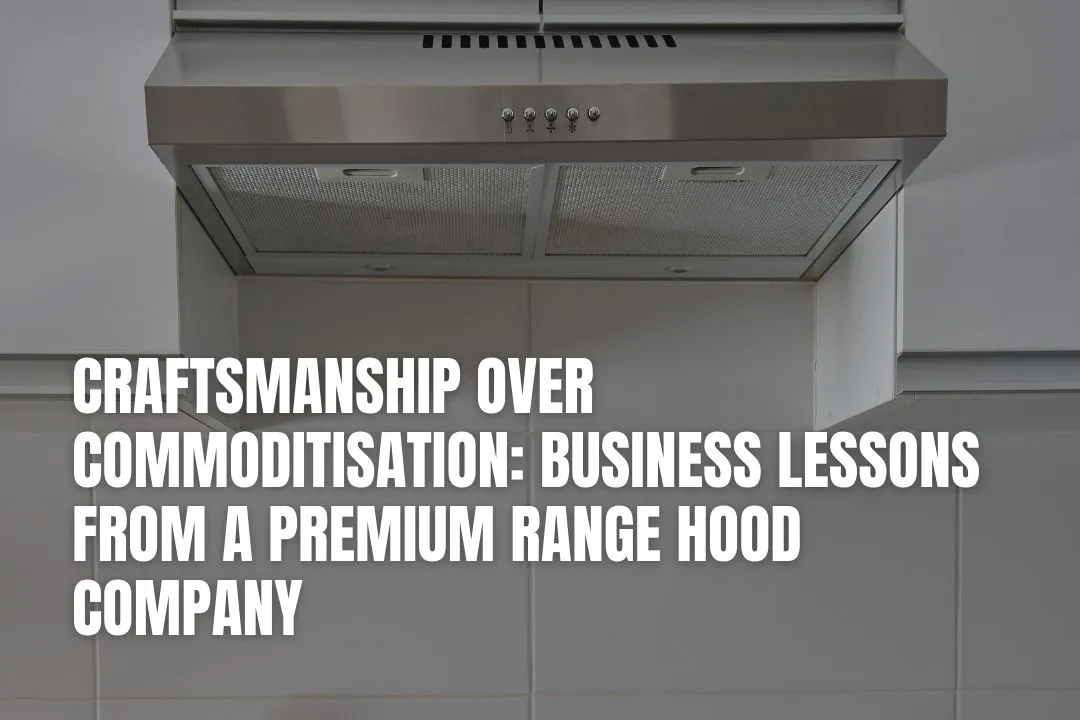
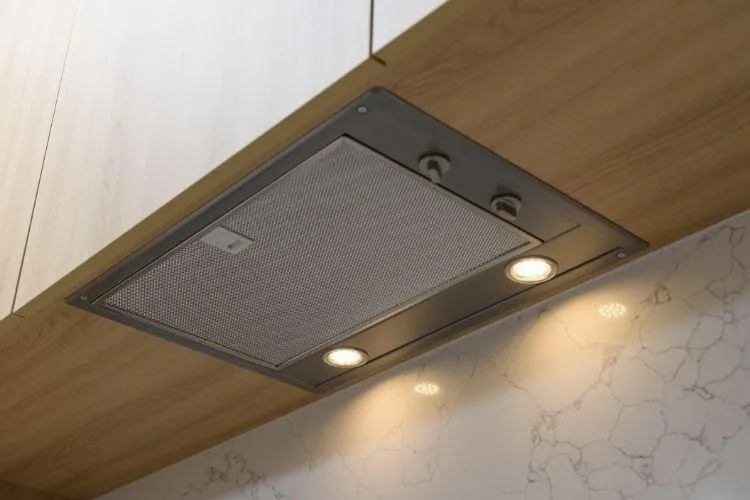
A premium copper range hood company like CopperSmith, for example, operates in a market flooded with stainless steel, factory-produced alternatives. Rather than chasing scale, they focus on hand-crafted quality and distinctive design appealing to customers who value durability and aesthetic impact over price alone. Their collection of wall-mounted copper hood designs reflects this approach, prioritising craftsmanship and customisation instead of mass production.
wall-mounted copper hood designs. This isn’t about the product itself, it’s about the business philosophy behind it. And that philosophy translates seamlessly to coaching and consulting businesses.
You don’t need a physical product to be a craft-based business. You need intention.
Here’s how craftsmanship shows up in services:
Craft businesses don’t try to serve everyone. They specialise. They develop deep expertise in a narrow area, making them harder to replace.
Craftsmanship lives in how you work. Your frameworks, diagnostics, onboarding, and delivery experience all signal quality. Two coaches may promise similar results, but their processes can feel worlds apart.
Crafted offerings are often simpler, not more complex. Clear boundaries, limited availability, and defined scopes increase perceived value and protect quality.
Automation has its place but craftsmanship keeps the human touch where it matters most. Personal feedback, nuanced insight, and context-aware guidance can’t be mass-produced.
One of the biggest challenges coaches face is pricing confidence. Craftsmanship solves this problem upstream.
When your work is clearly differentiated, pricing stops being a negotiation and becomes a reflection of value. Clients aren’t comparing you to five others, they’re choosing you.
Craft-based businesses don’t justify prices with hours or deliverables. They anchor prices to outcomes, experience, and expertise. This reframing shifts conversations from “Why does this cost so much?” to “Is this the right investment for me?”
A common fear is that talking about craftsmanship sounds elitist or vague. The solution is specificity.
Don’t say:
Instead, show:
Storytelling helps. So does transparency. Share how decisions are made, what you refuse to compromise on, and why your way of working exists.
Craftsmanship isn’t about claiming superiority it’s about demonstrating care.
Commoditisation thrives on sameness. Craftsmanship thrives on distinction.
For business owners, the choice is strategic. You can compete on speed, price, and volume—or you can compete on depth, quality, and intention. One path is crowded and exhausting. The other requires patience but builds resilience.
Craftsmanship won’t make your business easier overnight. It demands clarity, confidence, and the courage to say no. But in return, it offers something far more valuable: a business that attracts the right clients, commands respect, and sustains itself without constant compromise.
In a world obsessed with scaling faster and cheaper, craftsmanship remains one of the most powerful and underused forms of differentiation.
Commoditisation happens when potential clients believe your service is almost identical to your competitors'. When this occurs, their decision is often based on who offers the lowest price, which can force you into a cycle of constantly discounting your work.
You can apply craftsmanship by focusing on a specific niche instead of trying to serve everyone. Develop a unique framework for how you guide clients, be clear about what your programmes include, and always prioritise personal, thoughtful feedback over automated responses.
Not necessarily, but it does provide a strong reason for premium pricing. Craftsmanship is about the care, expertise, and pride you put into your work. When you communicate this value clearly, clients understand why your services are a worthwhile investment.
The key is to be specific. Instead of saying you are 'high quality', describe the unique steps in your process. Share stories about how your specific approach has helped clients achieve their goals. This demonstrates your care and expertise in a genuine way.
It is never too late. You can start by identifying one area of your service to improve, like your client onboarding process or how you deliver feedback. Small, intentional changes can begin to differentiate your business and attract clients who value depth and quality.
