
January 27, 2023

January 26, 2026
Editorial Disclaimer
This content is published for general information and editorial purposes only. It does not constitute financial, investment, or legal advice, nor should it be relied upon as such. Any mention of companies, platforms, or services does not imply endorsement or recommendation. We are not affiliated with, nor do we accept responsibility for, any third-party entities referenced. Financial markets and company circumstances can change rapidly. Readers should perform their own independent research and seek professional advice before making any financial or investment decisions.
Motorsport is more than cars on a track or drivers whizzing past at top speeds. For millions of fans around the world, it is a lifestyle and a form of self‑expression. Whether it is following races, supporting favourite drivers, or attending live events, fans want to connect deeper with the sport. One highly effective way brands do this is through racing‑inspired merchandise.
In this post, we will explore why merchandise works so well in expanding brand visibility, engaging customers, and opening new pathways for revenue growth. We will also look at real data that shows how powerful this strategy has become.

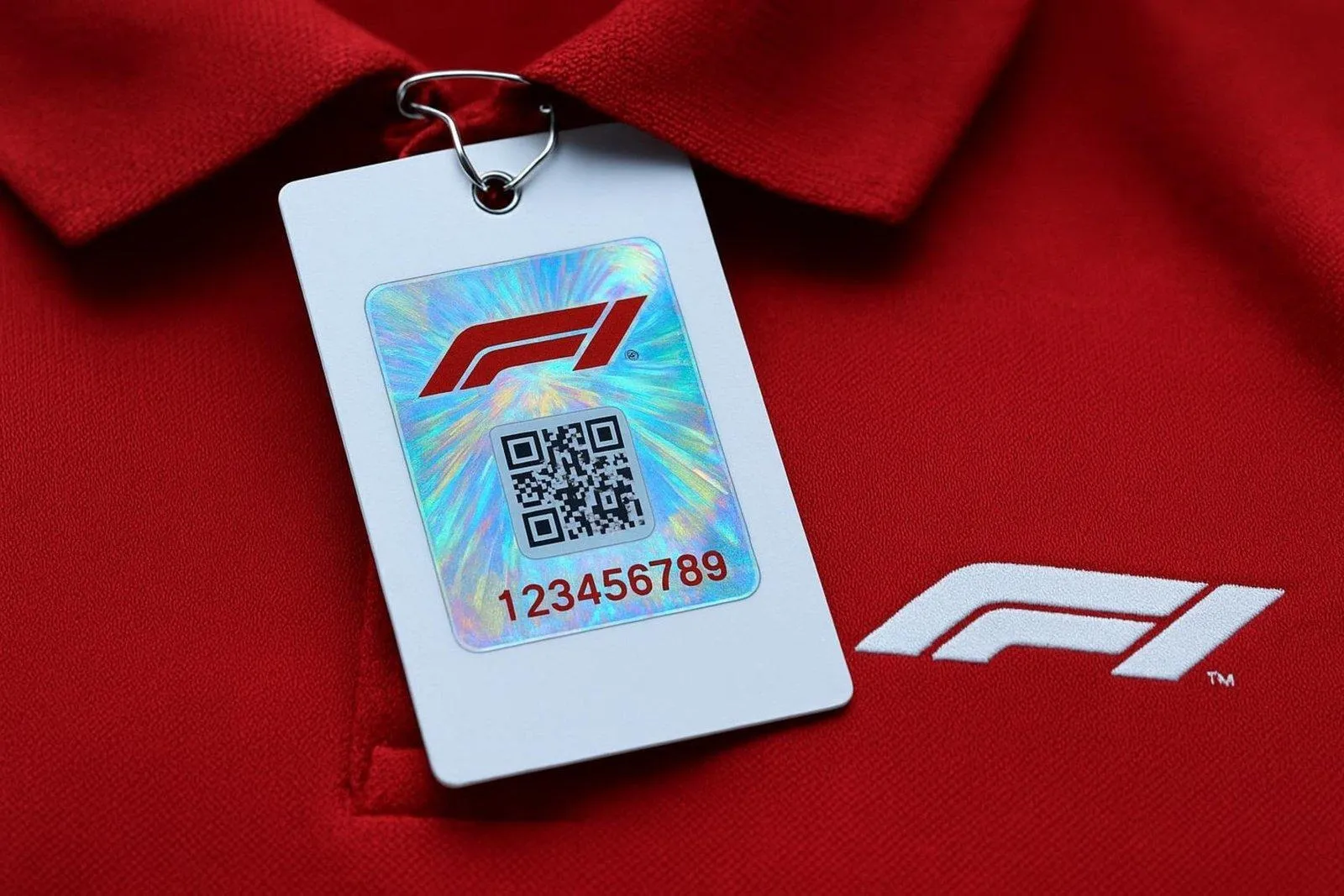
Racing‑inspired merchandise refers to products that represent motorsport brands, teams, or drivers. This includes clothing such as shirts, jackets, and caps, accessories, collectables, model cars, memorabilia, and lifestyle products that fans proudly use or display.
Merchandise does more than provide a souvenir. It acts as a wearable or visible extension of a fan’s passion, helping brands stay in the minds and hearts of customers long after the race weekend ends.
Understanding the scale of motorsport’s fanbase helps explain why merchandise is such a valuable tool for brand growth.
Formula 1 alone has seen its global fanbase grow to over 826 million people, representing a 12% increase year‑on‑year. Many of these fans engage daily with racing content, showing deep emotional commitment to the sport.
Among these fans, 61% interact with F1 content daily, indicating enthusiastic and constant engagement.
The fanbase is also diversifying in age, gender, and location. Women now make up around 41% of the fanbase, and younger demographics, especially under 35, show high levels of engagement.
This broad global reach makes motorsport merchandise appealing to brands that want visibility across multiple markets and consumer segments.
Merchandise does more than produce revenue. It strengthens connections between a brand and its fans in ways that traditional advertising often cannot.
Fans are emotionally invested in the sport they follow. When brands offer products that reflect fan identity and preferences, they tap into this emotional bond. For example, fans buying F1 and motorsport merchandise from reputable outlets like Topracingshop feel a stronger connection to the racing world and the associated brands.
These purchases are not just transactions. They make fans feel like part of a community, increasing loyalty and advocacy.
When fans wear branded merchandise in public or share photos on social media, they become brand ambassadors. Every picture, post, or in‑person sight of branded apparel expands visibility without the brand spending on traditional media.
This kind of social proof is incredibly powerful because it comes from real customers, not paid advertisements.
Unlike a TV commercial or a banner ad that disappears after a few seconds, merchandise provides ongoing interaction with the brand. A fan wearing a team hoodie every weekend or displaying a race helmet on a shelf reinforces brand awareness day after day.
The momentum behind merchandise is backed by impressive statistics around sales growth and overall market size.
Sales of Formula 1 merchandise have seen significant increases in recent years. In fact, online merchandise sales have increased more than 1,000% since 2018, with a 101% jump between 2021 and 2022 alone, according to industry data. (BlackBook Motorsport)
These figures include a wide range of items from apparel to collectables, showing how merchandise demand continues to rise as global interest in motorsport expands.
Online platforms now dominate merchandise sales, with around 61% of motorsport merchandise revenue occurring through online channels. (Global Growth Insights)
This shift toward e‑commerce has made it easier for fans across different countries to purchase gear, further expanding brand reach beyond local events and physical stores.
The overall licensed sports merchandise market is also growing. Projections indicate the global market will expand from USD 4.22 billion in 2025 to USD 5.35 billion by 2033, driven by increased fan engagement and global sports exposure. (Proficient Market Insights)
This growth reflects a broader trend where fans of all sorts of sports, including motorsport, seek branded products that reflect their passions.
Merchandise is not only for long‑time fans. It can also be a gateway to attracting new customers and expanding brand exposure.
Not everyone who buys motorsport merchandise attends races regularly. Many casual fans or even people outside the sport may wear branded apparel simply because it looks stylish or connects with popular culture. This helps the brand reach audiences who might not follow the sport closely but enjoy the lifestyle aspect.
For example, branded racing jackets or hats worn by celebrities and influencers help attract an audience that is more interested in fashion than motorsport, yet becomes familiar with the brand through visual presence and social sharing.
With millions of fans actively posting and interacting online, merchandise becomes content that feeds into social media algorithms. Fans sharing unboxing photos, race day outfits, or limited‑edition collectables help spread the brand to an entirely new audience organically.
Platforms like Instagram, TikTok, and YouTube are especially powerful because they allow fans to showcase their purchases and link them directly to the brand’s store, increasing both visibility and sales.
Limited edition items, fan club exclusives, seasonal releases, and collaborative products all create a sense of urgency and exclusivity that drives interest. These strategies encourage fans to join mailing lists, attend events, and engage more deeply with the brand community.
Having merchandise is one thing. Using it strategically to grow your brand reach and customer base is another. Here are effective ways brands can get the most out of their merchandise efforts:
Fans are more likely to wear and recommend merchandise that feels high quality and looks great. Clothing and accessories should be comfortable, durable, and visually appealing. High‑quality products not only satisfy customers but also foster long‑term loyalty.
Understanding your fan demographics allows you to create products that resonate with specific groups. For example, designing items that appeal to younger fans, women, or lifestyle buyers can attract new customer segments and increase overall reach.
Partnering with influencers, racers, or content creators gives your merchandise social credibility. When respected figures showcase your products in authentic settings, it drives interest and trust among their followers.
Every piece of merchandise tells a story. Describe the inspiration behind designs, share stories about teams or drivers associated with the products, and highlight what makes each item special. Storytelling enhances emotional resonance and motivates purchases.
Make it easy for fans to find, explore, and purchase merchandise online. Clear categories, detailed product descriptions, high‑resolution photos, and customer reviews all enhance the shopping experience and boost conversions.
Several teams and brands have successfully used merchandise to grow their visibility and fan engagement:
Formula 1 teams use merchandise not only to generate revenue but to strengthen their global presence. With a fanbase measured in hundreds of millions, team and driver‑branded merchandise helps spread brand visibility far beyond race weekends.
Collaborations between motorsport brands and fashion houses or lifestyle brands help extend reach into mainstream culture. Co‑branded apparel lines and limited‑edition collections attract both motorsport fans and general consumers.
Looking ahead, merchandise will continue evolving along with fan behaviour and market trends.
Beyond physical items, digital merchandise and collectables like NFTs are emerging as interesting formats that engage tech‑savvy fans and create new revenue streams. These digital assets allow fans to own unique branded content that complements physical products.
With growing global focus on sustainability, eco‑friendly merchandise options will become more desirable. Fans increasingly value sustainable materials and ethical production, and offering green merchandise can set a brand apart.
Integrating merchandise with live events, exclusive fan experiences, and interactive pop‑ups reinforces brand loyalty. Fans who feel part of an exclusive community are more likely to stay engaged and keep buying products.
Racing‑inspired merchandise is far more than just gear fans wear or collectables they display. It is a powerful tool for building emotional connections, widening brand reach, and converting casual observers into loyal customers.
With robust global fan engagement, rapidly growing online sales, and consistent market expansion, merchandise presents a win‑win opportunity for both brands and fans. When merchandise reflects quality, storytelling, and fan identity, it becomes an authentic extension of the sport, helping brands stay visible, relevant, and beloved in a crowded market.
From dedicated race fans to casual fashion lovers, merchandise brings motorsport into everyday life and ensures that brands remain memorable long after the checkered flag falls.
It taps into the deep emotional connection fans have with motorsport. When fans wear or display your merchandise, they become voluntary brand ambassadors, providing authentic, ongoing visibility that traditional advertising often cannot match.
Absolutely. The market is experiencing significant growth. For instance, Formula 1 online merchandise sales grew over 1,000% since 2018. The broader licensed sports merchandise market is also projected to expand substantially, showing strong and sustained demand.
High-quality, stylish merchandise appeals to casual fans and fashion followers who appreciate the aesthetic. When influencers or celebrities wear racing-inspired apparel, it reaches a mainstream audience, turning your brand into a lifestyle statement beyond the track.
Focus on quality and design first, as fans expect products that look good and last. You should also tailor products to different audiences, use storytelling to explain the inspiration behind items, and create a smooth online shopping experience. For expert guidance, a consultation with a firm like Robin Waite Limited can help align your merchandise strategy with your business goals.
Social media acts as a massive amplifier. Fans sharing photos of their merchandise, from unboxing videos to race-day outfits, provides organic promotion for your brand. This user-generated content reaches new audiences and builds a sense of community around your products.
