August 22, 2025

February 6, 2026

Editorial Disclaimer
This content is published for general information and editorial purposes only. It does not constitute financial, investment, or legal advice, nor should it be relied upon as such. Any mention of companies, platforms, or services does not imply endorsement or recommendation. We are not affiliated with, nor do we accept responsibility for, any third-party entities referenced. Financial markets and company circumstances can change rapidly. Readers should perform their own independent research and seek professional advice before making any financial or investment decisions.
Most founders obsess over product quality and clever marketing, then treat packaging like an afterthought. The result is a premium offer wrapped in a basic experience. If you want customers to accept higher prices, those details matter. Working with a luxury packaging company, Lussopack can transform how buyers perceive your brand before they even see the product itself.
In simple terms, better packaging is a pricing tool. It changes how your prices feel.
You are not just selling an item. You are selling a moment, a feeling, and a story wrapped around that item. Packaging is the physical version of that story.

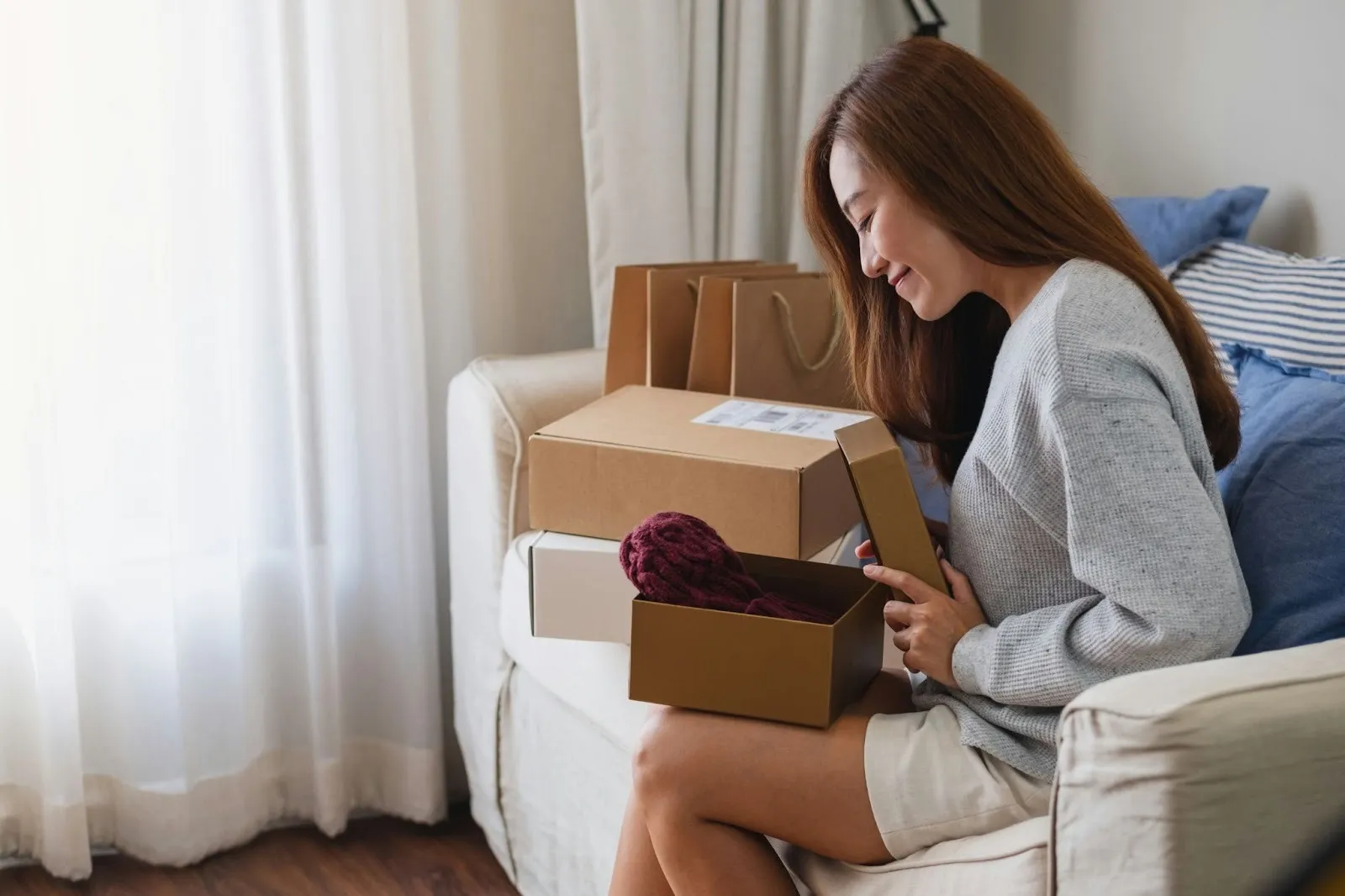
Customers rarely calculate value with a spreadsheet. They use signals.
Weight, structure, opening mechanism, materials, and print quality all send subconscious cues about what something “should” cost. When someone receives a sturdy, well-finished box that opens smoothly, a higher price feels normal. When they receive a flimsy carton, the same price can feel inflated.
Better packaging helps you:
If you aim for premium pricing but your packaging looks budget, you create cognitive dissonance. Customers feel that something is off, even if they cannot explain why.
Three simple psychological ideas sit behind the power of quality packaging.
The first physical contact with your brand sets a mental anchor. If that first moment feels premium, the customer unconsciously raises their expectations about quality and price.
A carefully designed box, a satisfying closure, and a clean internal layout tell the brain:
“This is the kind of thing that costs more.”
People look for consistency between your branding, your price, and your product experience. When everything lines up, they relax. When it does not, they hesitate.
If your website, photography, and messaging all say “high quality,” but your packaging says “cost-cutting” customers start to question your margins and your trustworthiness. Consistent premium cues, including the packaging, remove that friction.
Most purchases, especially in categories like jewelry, gifts, cosmetics, and lifestyle, are emotionally driven. The unboxing experience can amplify that emotion.
When the customer feels delight, surprise, or pride upon opening the package, their brain searches for reasons the purchase was a good decision. The higher price becomes easier to justify.
Not every product needs a luxury box. To avoid overspending, look for these signals that upgraded packaging could pay off.
If you recognise yourself in two or more of these points, packaging is not a vanity project. It is a lever in your pricing and brand strategy.
Here is how to approach packaging as a business tool rather than a pretty extra.
Before choosing materials, answer one question:
“What should a customer think and feel about my brand when they open this?”
Maybe you want them to feel calm and minimal, or rich and indulgent, or handcrafted and personal. That decision guides choices on:
Without this clarity, you risk an expensive but directionless design.
You can create a premium feel without replacing everything at once. Focus on the parts of the experience the customer notices most.
For example:
Even two or three of these upgrades can justify a higher price point, especially when supported by strong product and service.
If you talk about sustainability, your packaging should not feel wasteful. If you talk about innovation, your packaging should not feel generic.
Options include:
Aligned packaging strengthens your brand story, which in turn supports premium pricing.
You can experiment with materials and layouts on your own, but it becomes time-consuming and expensive. An experienced partner such as Lussopack, which specialises in high-end solutions for jewelry and luxury brands, can shortcut that process.
The right partner will:
This expertise helps you avoid common mistakes, such as over-designing, overspending on the wrong elements, or choosing a look that cannot scale with your volumes.
To turn packaging into profit instead of just cost, you need to build it into your commercial decisions.
Work out the real cost of your upgraded packaging across different order quantities. Then design your prices to protect your target margin.
The question is not “Is this packaging expensive?”
The question is “Does this level of packaging allow me to position the product at a price that supports my growth?”
If the answer is yes, packaging becomes an investment, not an overhead.
If you want packaging to support higher prices, make it visible.
The more clearly people see the full experience, the more natural your pricing feels.
Packaging is an effective way to differentiate between standard and premium offers.
For example:
The visual and tactile difference helps customers understand why one option costs more than another.
Every time a parcel lands on a doorstep or a box is opened in front of friends, your packaging speaks for your brand. It can be said “cheap and forgettable” or “considered, confident and worth the price.”
If you want to charge higher prices with real conviction, make sure that the silent salesperson is on your side.
Your packaging is a powerful pricing tool because it directly influences a customer's perception of value. High-quality packaging sends subconscious cues that a product is worth more, reducing price resistance and making a higher price point feel appropriate before the customer even uses the item.
Premium packaging leverages three key psychological ideas. It creates a strong first impression that anchors a higher value in the customer's mind. It builds trust through consistency between your branding and the physical experience. Finally, it enhances the emotional connection to the purchase, which helps customers logically justify the price they paid.
You should consider investing in better packaging if your product is often bought for emotional reasons (like gifts or luxury items), if you want to shift your brand into a more premium market, or if your customers frequently share their unboxing experiences online. If you're aiming for higher prices, your packaging needs to match that ambition.
You don't have to change everything at once. Focus on the touchpoints customers notice most. This could include a sturdier, well-finished outer box, a custom insert that holds the product securely, or a special finish on your logo like embossing or foil printing. These small upgrades can significantly lift the perceived value.
Packaging is an excellent way to visually and physically separate your product lines. You can use simple, clean packaging for your standard items and introduce heavier materials, special finishes, or additional inserts for a premium or limited-edition line. This helps customers instantly understand the value difference and why one option costs more.
